

In the dynamic landscape of modern production, quality control stands as the cornerstone for ensuring the safety, reliability, and performance of products. As a seasoned supplier of specialized testing equipment, particularly the Glow Wire Test Apparatus, I am often asked whether this specific tool can play a crucial role in quality control during production. In this blog, I'll delve into the science behind the Glow Wire Test Apparatus, its applications, and how it fits into the broader quality - control ecosystem in manufacturing.

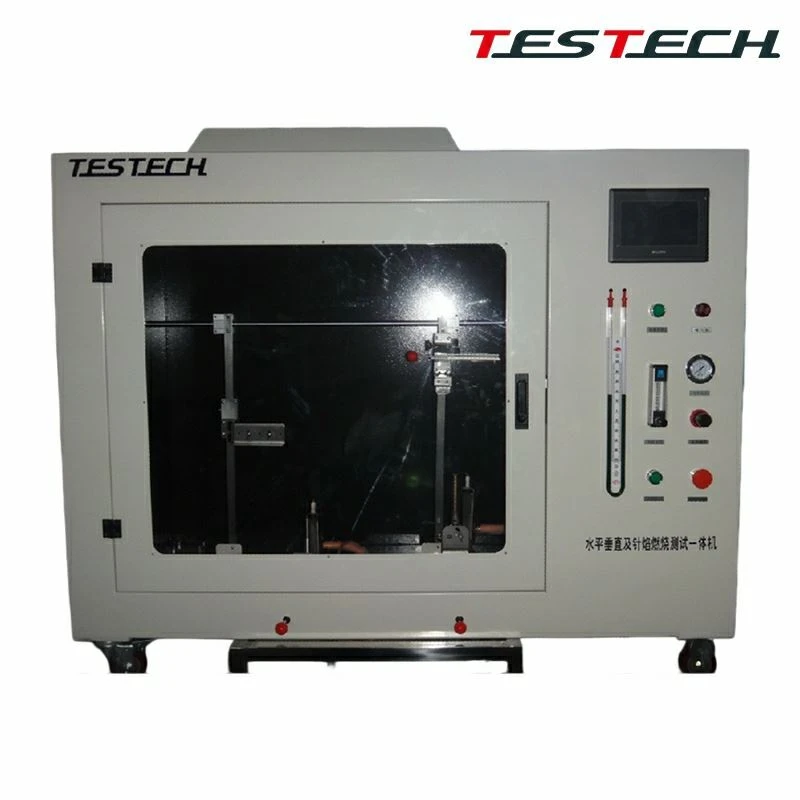
Understanding the Glow Wire Test Apparatus
The Glow Wire Test Apparatus is a device designed to assess the flammability characteristics of materials used in electrical and electronic products. It mimics the effect of a heat source, such as an overloaded or short - circuited electrical component, which can generate a glowing wire. The test involves bringing a heated glow wire into contact with the test specimen for a specified period and under controlled conditions.
The principle behind the test is based on the fact that in real - world scenarios, electrical malfunctions can lead to the heating of components to high temperatures. If the materials used in these components are not resistant to heat and flames, it can pose a significant fire hazard. The Glow Wire Test Apparatus helps manufacturers determine whether their materials can withstand such heat sources without igniting or, if they do ignite, whether the flames will self - extinguish within a reasonable time.
The Science of the Glow Wire Test
When the glow wire, heated to a predefined temperature (usually ranging from 550°C to 960°C), comes into contact with the test specimen, a series of physical and chemical processes occur. The heat from the glow wire transfers to the material, causing it to undergo pyrolysis, which is the decomposition of the material due to heat.
During pyrolysis, the material releases volatile compounds. If these compounds can be ignited by the heat of the glow wire or the subsequent flame propagation, the material is considered flammable. The test measures several key parameters, such as the ignition temperature, the time it takes for the specimen to ignite (ignition time), and the time it takes for the flames to extinguish (flame - out time).
These parameters are crucial for quality control because they provide objective data on the flammability of the material. For example, in the production of electrical enclosures, a material with a high ignition temperature and a short flame - out time is preferable as it reduces the risk of fire in case of an electrical fault.
Applications in Production Quality Control
Electrical and Electronic Components
In the production of electrical and electronic devices, the Glow Wire Test Apparatus is an indispensable tool. Components such as switches, connectors, and printed circuit boards are often made of plastics or other insulating materials. These materials need to pass the glow wire test to ensure they meet safety standards.
For instance, in the manufacturing of a laptop charger, the plastic casing must be able to withstand the heat generated by a potential short - circuit inside the charger. By using the Glow Wire Test Apparatus, manufacturers can verify that the selected casing material will not catch fire easily, thus protecting the end - user from fire risks.
Home Appliances
Home appliances like refrigerators, washing machines, and toasters are in constant use in households. Ensuring their safety is of utmost importance. The Glow Wire Test Apparatus helps in testing the materials used in the internal components and external casings of these appliances.
For example, the insulation material around the heating element in a toaster must be able to resist the high temperatures generated during normal operation and in case of a malfunction. By subjecting these materials to the glow wire test, manufacturers can guarantee that their appliances meet the required safety standards.
Automotive Industry
In the automotive industry, electrical systems are becoming increasingly complex. From the dashboard electronics to the lighting systems, numerous components are made of plastic and other polymers. The Glow Wire Test Apparatus is used to test these materials to ensure that they do not pose a fire hazard in the event of an electrical short - circuit.
For example, the plastic housing of the vehicle's fuse box must be able to withstand the heat generated by a blown fuse. By conducting glow wire tests on these materials, automotive manufacturers can enhance the safety of their vehicles.
The Role of the Glow Wire Test Apparatus in the Broader Quality - Control Framework
While the Glow Wire Test Apparatus is a powerful tool for assessing flammability, it is often used in conjunction with other testing equipment to form a comprehensive quality - control system.
For example, the High - voltage Tracking Indices Tester is used to measure the ability of insulating materials to resist tracking, which is the formation of a conductive path on the surface of an insulating material under the influence of high voltage and contamination. By combining the results of the glow wire test and the high - voltage tracking indices test, manufacturers can get a more complete picture of the safety and performance of their materials.
The Melt Mass - Flow Rate Tester is another important piece of equipment. It measures the flow properties of thermoplastic materials under specific conditions. These properties can affect the manufacturing process as well as the performance of the final product. For example, a material with the right melt mass - flow rate will be easier to mold during the production process, and it may also have better mechanical properties.
The Needle Flame Test Apparatus is used to simulate the effect of a small flame, such as that from a burning component, on the test specimen. It is often used for materials that are expected to be exposed to small flames in normal use.
Finally, the Comparative Tracking Index Tester is used to determine the comparative tracking index of insulating materials, which is a measure of the material's resistance to electrical tracking.
By using these different testing tools in combination, manufacturers can implement a multi - faceted quality - control approach that addresses various aspects of material safety and performance.
Advantages of Using the Glow Wire Test Apparatus for Quality Control
One of the main advantages of the Glow Wire Test Apparatus is its ability to provide objective and reproducible results. The test is conducted under standardized conditions, which means that the results can be compared across different batches of materials and different production facilities.
Another advantage is its relevance to real - world scenarios. As mentioned earlier, the test mimics the effect of a heat source that can occur in actual electrical and electronic products. This makes the results of the test directly applicable to the safety assessment of these products.
The Glow Wire Test Apparatus is also relatively easy to operate. With proper training, production line workers can conduct the tests on a regular basis, which allows for continuous quality monitoring during the manufacturing process.
Conclusion and Call to Action
In conclusion, the Glow Wire Test Apparatus is an essential tool for quality control in production. It provides valuable information about the flammability of materials used in a wide range of industries, including electrical and electronics, home appliances, and automotive. When used in conjunction with other testing equipment, it forms a comprehensive quality - control system that helps manufacturers ensure the safety and reliability of their products.
If you are in the production industry and are looking to enhance your quality - control measures, I encourage you to consider incorporating the Glow Wire Test Apparatus into your testing protocols. Our company is a leading supplier of high - quality Glow Wire Test Apparatus and other related testing equipment. We can provide you with the expertise and support you need to implement an effective quality - control system. Reach out to us to discuss your specific requirements and explore how our products can benefit your production process.
References
- IEC 60695 - 2 - 10:2013, “Test methods for electric fire hazard testing – Part 2 - 10: Glow - wire apparatus and common test procedure for glow - wire flammability test method (GWFI) and glow - wire ignition test method (GWIT).”
- ASTM D5025 - 17, “Standard Test Method for Glow - Wire Ignition Temperature (GWIT) of Materials.”
- Ullmann's Encyclopedia of Industrial Chemistry, for comprehensive information on polymer materials and their flammability characteristics.