

Hey there! As a supplier of fabric flammability testers, I often get asked about the compatibility of our testing equipment with different types of fabrics. It's a super important topic, especially when it comes to ensuring the safety and compliance of products in the market. So, let's dive right into it!
Understanding the Basics of Fabric Flammability Testing
Before we talk about compatibility, let's quickly go over what fabric flammability testing is all about. The main goal is to evaluate how a fabric reacts when exposed to fire or a heat source. This is crucial for a whole bunch of industries, like textiles, furniture, automotive, and even the medical field. Different fabrics have different properties that affect their flammability, such as the type of fiber, weave structure, and any chemical treatments they've undergone.

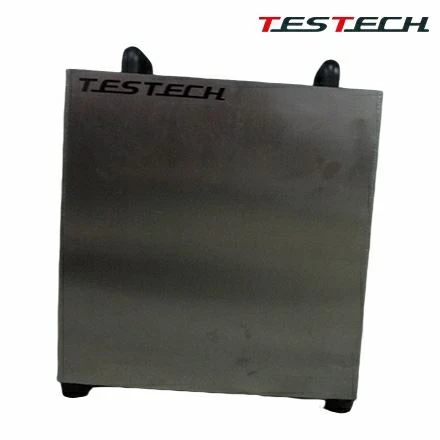
Compatibility with Natural Fabrics
Let's start with natural fabrics, like cotton, wool, silk, and linen. These are some of the most commonly used materials in the textile industry.
Cotton: It's one of the most popular natural fibers. Cotton is relatively flammable, and it burns quickly with a yellow flame. Our Vertical Flammability Tester is a great fit for testing cotton fabrics. It can accurately measure the rate of burning and the length of the charred area, giving you a clear idea of how the cotton will perform in case of a fire.
Wool: Wool is quite different from cotton. It has some natural fire - resistant properties due to its high protein content. It burns slowly, and it can self - extinguish in many cases. Our testers can detect these unique characteristics. The Radiant Reflective Performance Tester can be used to evaluate how wool reflects radiant heat, which is an important aspect of its fire - resistance.
Silk: Silk is a delicate and luxurious fabric. It burns with a sputtering flame and has a characteristic smell. Our fabric flammability testers can precisely analyze the burning behavior of silk, helping manufacturers ensure that silk products meet safety standards.
Linen: Linen is made from flax fibers. It burns rapidly, similar to cotton. The vertical flammability tester can effectively test linen fabrics to determine their flammability levels.
Compatibility with Synthetic Fabrics
Synthetic fabrics have become very popular in recent years due to their durability, affordability, and various functional properties.
Polyester: Polyester is a widely used synthetic fiber. It melts and drips when exposed to fire, which can be a safety hazard. Our Motor Accessories Vertical Combustion Tester can be used to test polyester fabrics, especially in applications where they are used in motor accessories. It can measure the melting and dripping behavior, as well as the after - flame and afterglow times.
Nylon: Nylon also melts and burns, but it has different burning characteristics compared to polyester. Our testers are designed to distinguish between the two. They can accurately assess the flammability of nylon fabrics, making sure that products made from nylon are safe for use.
Acrylic: Acrylic is another synthetic fiber. It burns with a sooty flame and can produce toxic gases. Our fabric flammability testers can detect these dangerous properties and help manufacturers take appropriate precautions.
Compatibility with Blended Fabrics
Blended fabrics, which are made by combining natural and synthetic fibers, are also very common. The flammability of blended fabrics can be quite complex because it depends on the proportion of each fiber and how they interact.
For example, a cotton - polyester blend might have different burning characteristics than pure cotton or pure polyester. Our testing equipment is versatile enough to handle these blended fabrics. We can accurately analyze the overall flammability of the blend and provide detailed reports to help you understand the risks.
Specialty Fabrics and Our Testers
There are also some specialty fabrics that require specific testing.
Carpets: Carpet safety is a big deal, especially in commercial and residential settings. Our Carpet Flammability Tester Radiant Panel Method is specifically designed to test carpets. It uses the radiant panel method to simulate a real - world fire scenario and measures the carpet's ability to resist burning and spread of flames.
Face Masks: With the recent focus on face masks, it's important to ensure their fire - resistance, especially in some industrial or high - risk environments. Our Face Mask Radiant Heat Resistance Tester can accurately measure how well a face mask can withstand radiant heat, ensuring the safety of the wearer.
Ensuring Accurate and Reliable Results
We understand that getting accurate and reliable test results is crucial for our customers. That's why all of our fabric flammability testers are designed and manufactured to the highest standards. They are calibrated regularly to maintain precision, and we also provide detailed user manuals and training to ensure that you can use the equipment correctly.
Contact Us for Your Testing Needs
Whether you're a small textile manufacturer or a large multinational company, our fabric flammability testers are a great choice. We offer a wide range of testing solutions to suit different fabrics and industry needs. If you're interested in our products or have any questions about fabric flammability testing, don't hesitate to reach out. We're here to help you ensure the safety and compliance of your products.
References
- ASTM International. (2023). Standards related to fabric flammability testing.
- ISO. (2023). International standards for fire safety of textiles.