

As a supplier of building materials flammability testers, I understand the crucial role these devices play in ensuring the safety and compliance of construction materials. Adjusting the parameters of these testers accurately is essential for obtaining reliable and consistent test results. In this blog post, I will share some insights on how to adjust the parameters of building materials flammability testers effectively.
Understanding the Basics of Building Materials Flammability Testing
Before delving into parameter adjustment, it is important to have a clear understanding of the basic principles of building materials flammability testing. The main goal of these tests is to evaluate the fire performance of building materials under specific conditions. Different types of tests are used to assess various aspects of flammability, such as ignition resistance, flame spread, heat release, and smoke generation.
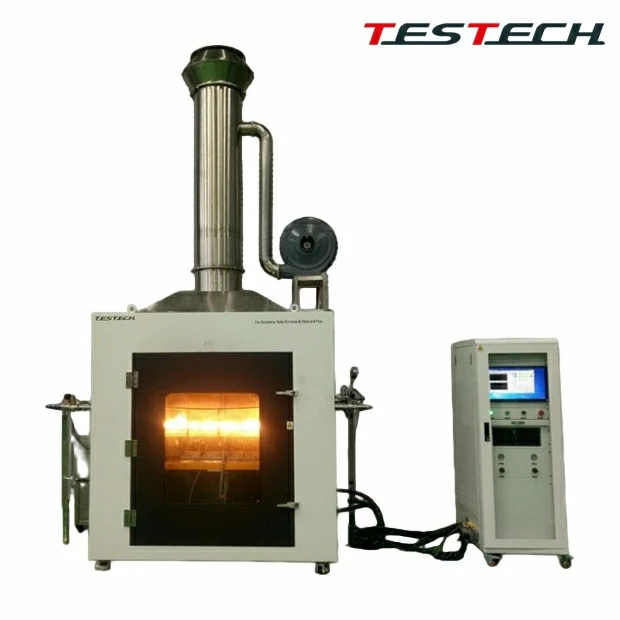
Some common types of building materials flammability testers include the Vertical Fire Testing Furnace, Single Burning Item, Thermal Load Tester for Thermal Insulation Rock Wool, Smoke Leakage Tests for Door and Shutter Assemblies, and Fire Resistance Tester for Valve. Each tester is designed to simulate different fire scenarios and measure specific parameters related to flammability.
Importance of Parameter Adjustment
Accurate parameter adjustment is crucial for obtaining reliable and consistent test results. Incorrect parameter settings can lead to inaccurate measurements, which may result in false conclusions about the fire performance of building materials. This can have serious consequences for the safety of buildings and the people who use them.
Proper parameter adjustment also ensures that the tests are conducted in accordance with relevant standards and regulations. Different countries and regions have their own specific requirements for building materials flammability testing, and it is important to follow these guidelines to ensure compliance.
Steps for Adjusting Parameters
1. Read the User Manual
The first step in adjusting the parameters of a building materials flammability tester is to carefully read the user manual. The manual provides detailed instructions on how to operate the tester, including how to set the parameters for different tests. It is important to follow these instructions closely to ensure accurate and safe operation.

2. Identify the Test Requirements
Before adjusting the parameters, it is necessary to identify the specific test requirements for the building materials being tested. This includes the type of test to be conducted, the relevant standards and regulations, and the desired test results. Different tests may require different parameter settings, so it is important to have a clear understanding of the requirements before making any adjustments.
3. Calibrate the Tester
Calibration is an important step in ensuring the accuracy of the tester. Before adjusting the parameters, it is necessary to calibrate the tester according to the manufacturer's instructions. This may involve using calibration standards or reference materials to verify the accuracy of the measurements.
4. Adjust the Parameters
Once the tester has been calibrated, it is time to adjust the parameters for the specific test. This may involve setting the temperature, pressure, airflow, and other variables according to the test requirements. It is important to make small adjustments and monitor the test results to ensure that the parameters are set correctly.
5. Validate the Results
After adjusting the parameters and conducting the test, it is important to validate the results to ensure their accuracy and reliability. This may involve comparing the test results with reference values or conducting additional tests to confirm the findings. If the results are not consistent or do not meet the requirements, it may be necessary to adjust the parameters and repeat the test.
Common Parameters and Their Adjustment
Temperature
Temperature is one of the most important parameters in building materials flammability testing. Different tests may require different temperature settings, depending on the type of material being tested and the fire scenario being simulated. For example, the Vertical Fire Testing Furnace may require a specific temperature range to simulate a fire in a vertical orientation.
To adjust the temperature, it is necessary to use a temperature controller or a heating element. The temperature controller allows you to set the desired temperature and monitor the actual temperature during the test. If the temperature is too high or too low, you can adjust the settings on the controller to bring it back to the desired range.
Pressure
Pressure is another important parameter in building materials flammability testing. It can affect the airflow and the combustion process, which in turn can affect the test results. Different tests may require different pressure settings, depending on the type of material being tested and the fire scenario being simulated.
To adjust the pressure, it is necessary to use a pressure regulator or a pump. The pressure regulator allows you to set the desired pressure and monitor the actual pressure during the test. If the pressure is too high or too low, you can adjust the settings on the regulator to bring it back to the desired range.
Airflow
Airflow is an important factor in building materials flammability testing. It can affect the oxygen supply and the spread of the fire, which in turn can affect the test results. Different tests may require different airflow settings, depending on the type of material being tested and the fire scenario being simulated.
To adjust the airflow, it is necessary to use a fan or a blower. The fan or blower allows you to control the speed and direction of the airflow. You can adjust the settings on the fan or blower to increase or decrease the airflow as needed.
Time
Time is an important parameter in building materials flammability testing. It can affect the duration of the test and the amount of heat released by the material. Different tests may require different time settings, depending on the type of material being tested and the fire scenario being simulated.
To adjust the time, it is necessary to use a timer or a stopwatch. The timer or stopwatch allows you to set the desired time and monitor the actual time during the test. If the time is too long or too short, you can adjust the settings on the timer or stopwatch to bring it back to the desired range.
Troubleshooting Parameter Adjustment Issues
Sometimes, you may encounter issues when adjusting the parameters of a building materials flammability tester. Here are some common issues and their solutions:
Inaccurate Measurements
If the measurements are inaccurate, it may be due to a calibration issue or a problem with the sensors. To solve this problem, you can try recalibrating the tester or replacing the sensors.
Unstable Parameters
If the parameters are unstable, it may be due to a problem with the power supply or the control system. To solve this problem, you can try checking the power supply and the control system for any faults or malfunctions.
Test Results Not Meeting Requirements
If the test results do not meet the requirements, it may be due to incorrect parameter settings or a problem with the material being tested. To solve this problem, you can try adjusting the parameters or repeating the test with a different sample of the material.
Conclusion
Adjusting the parameters of building materials flammability testers accurately is essential for obtaining reliable and consistent test results. By following the steps outlined in this blog post and understanding the importance of parameter adjustment, you can ensure that your tests are conducted in accordance with relevant standards and regulations.
If you are in the market for a building materials flammability tester or need assistance with parameter adjustment, please feel free to contact us. We are a leading supplier of high-quality building materials flammability testers and can provide you with the support and expertise you need.
References
- ASTM International. (2023). Standard test methods for flammability of building materials.
- ISO. (2023). International standards for fire safety testing of building materials.
- NFPA. (2023). National Fire Protection Association standards for building materials flammability testing.