

Hey there! As a supplier of electronic component flammability testers, I often get asked a bunch of questions about what our testers can and can't do. One question that pops up quite a bit is, "Can an electronic component flammability tester test flexible electronic components?" Well, let's dive right into this topic and find out.
First off, let's talk a bit about what flexible electronic components are. These are components that can bend, twist, or stretch without losing their functionality. Think of things like flexible displays, wearable electronics, or even some types of printed circuit boards that are designed to be flexible. They're becoming more and more popular in today's tech - savvy world because they offer a lot of advantages in terms of design and application.
Now, when it comes to testing the flammability of these components, it's a bit different from testing regular, rigid electronic components. Flexible components often have different materials and structures. For example, they might use polymers that are more elastic, or they could have thin - film layers that behave differently under heat.
Our electronic component flammability testers are designed to be pretty versatile. They use a variety of methods and technologies to measure how a component reacts to fire or heat. One of the key features of our testers is that they can simulate different fire scenarios. We can control things like the intensity of the heat source, the duration of the exposure, and the environment in which the test takes place.
But can they handle flexible components? The short answer is yes, our testers can definitely test flexible electronic components. However, there are a few things we need to keep in mind.
One challenge is the physical shape of the flexible component. Since these components can bend and move, it's important to make sure they're properly secured during the test. If they're not held in place correctly, the test results might not be accurate. Our testers come with adjustable fixtures that can hold flexible components firmly in place, whether they're flat or curved.
Another aspect is the material properties. Flexible components often have unique materials that might burn or melt in a different way compared to traditional materials. Our testers are equipped with sensors that can detect a wide range of changes, such as temperature variations, the rate of burning, and the amount of smoke produced. This allows us to accurately assess the flammability of the flexible component, no matter what materials it's made of.
Let's take a look at some of the specific types of testers we offer and how they can be used for flexible electronic components.
The Melt Mass - Flow Rate Tester is great for testing the flow properties of polymers used in flexible components. When a flexible component is exposed to heat, the polymers might start to melt. This tester can measure how quickly the melted polymer flows, which is an important factor in determining its flammability. If the polymer flows too quickly, it could spread the fire more easily.
The Comparative Tracking Index Tester is used to evaluate the electrical tracking resistance of materials. In flexible electronic components, electrical tracking can be a big issue, especially when there's heat involved. This tester can help us determine how likely the material is to form conductive paths when exposed to a combination of heat and electrical stress, which is crucial for preventing electrical fires.

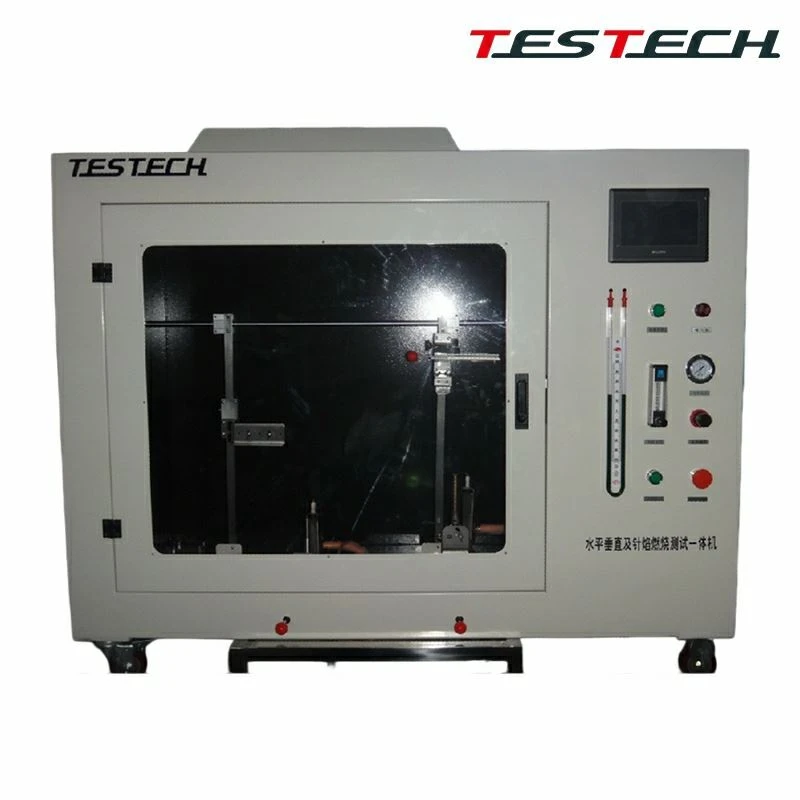
The Needle Flame Test Apparatus is a classic tool for testing flammability. It uses a small, controlled flame to simulate a potential ignition source. For flexible components, this test can help us see how the component reacts to a direct flame. We can observe things like whether the component catches fire, how long it burns, and if it drips molten material that could spread the fire.
The High - voltage Tracking Indices Tester is important for components that are exposed to high - voltage environments. Flexible electronics are often used in applications where high voltages are present, and this tester can measure the tracking resistance of the materials under these conditions. This is essential for ensuring the safety of the component in real - world scenarios.
The Rubber Hose Non - flammability Tester can be useful for testing flexible components that have rubber hoses or rubber - like materials. It can determine whether the rubber material is resistant to flame and can help us make sure that the component meets the necessary safety standards.
In conclusion, our electronic component flammability testers are well - equipped to handle flexible electronic components. They can adapt to the unique challenges presented by these components, such as their physical shape and material properties. Whether you're a manufacturer of flexible electronics, a researcher in the field, or a quality control professional, our testers can provide you with accurate and reliable flammability test results.
If you're looking for a reliable way to test the flammability of your flexible electronic components, don't hesitate to reach out. We're here to help you ensure the safety and quality of your products. So, if you're interested in learning more about our testers or discussing your specific testing needs, just drop us a line. We're always ready to have a chat and find the best solution for you.
References
- "Flammability Testing of Electronic Components: Principles and Practices." A technical guide on the importance and methods of flammability testing.
- "Advances in Flexible Electronics: Materials and Applications." A research paper that talks about the development and challenges associated with flexible electronic components, including their safety considerations.