

Hey there, folks! As a supplier of the Horizontal Burning Rate Tester, I often get asked a super important question: "What is the lifespan of the sensor in the Horizontal Burning Rate Tester?" In this blog post, I'm gonna dive deep into this topic and share all the info I've got.
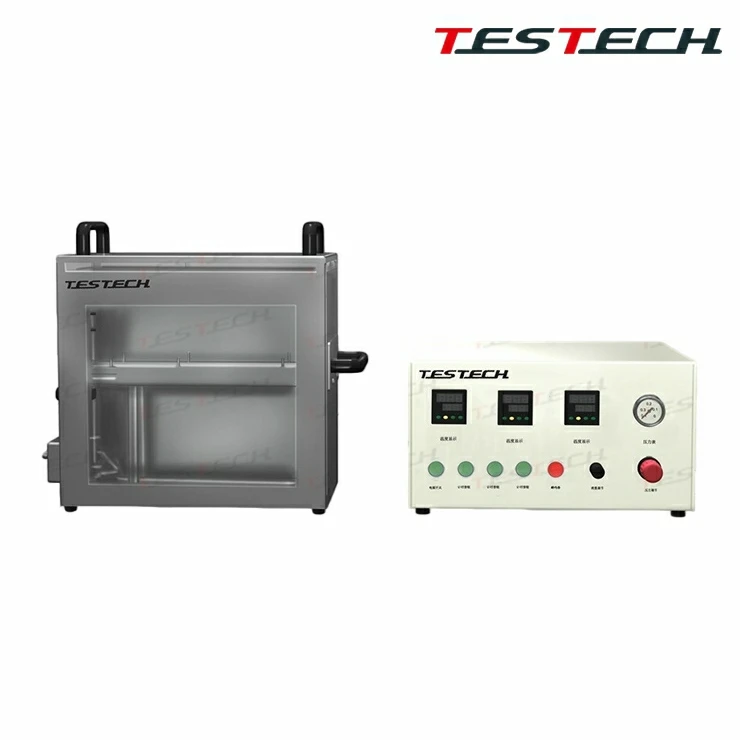
First off, let's understand what the sensor in a Horizontal Burning Rate Tester does. This tester is used to measure the burning rate of materials in a horizontal position, which is crucial in industries where fire safety is a top concern, like transportation. The sensor plays a key role in accurately detecting and measuring the flame's movement and speed. It's the eyes and ears of the tester, so to speak.
Now, the lifespan of the sensor can vary quite a bit, and there are several factors that come into play. One of the biggest factors is the quality of the sensor itself. High - quality sensors, which we always use in our Horizontal Burning Rate Tester, are built to last. They're made with better materials and more precise manufacturing processes, which means they can withstand the rigors of continuous use and harsh testing environments.
Another important factor is how often the tester is used. If it's being used multiple times a day, every day, the sensor is going to experience more wear and tear compared to a tester that's only used occasionally. For example, in a large manufacturing plant where they're constantly testing new batches of materials, the sensor will be under more stress. On the other hand, a small research lab that only conducts tests a few times a month will put less strain on the sensor.
The environment in which the tester operates also has a huge impact on the sensor's lifespan. If the testing area has high levels of dust, moisture, or chemicals, these can all degrade the sensor over time. Dust can clog the sensor's components, moisture can cause corrosion, and chemicals can react with the sensor's materials. That's why it's important to keep the tester in a clean, dry, and well - ventilated area.
Based on my experience and the feedback from our customers, a typical sensor in a well - maintained Horizontal Burning Rate Tester can last anywhere from 2 to 5 years. But hey, this is just an estimate. With proper care, you might be able to extend that lifespan.
So, how can you take good care of the sensor to make it last longer? Well, first of all, regular cleaning is a must. You should clean the sensor according to the manufacturer's instructions. This usually involves using a soft, dry cloth to wipe away any dust or debris. You also need to calibrate the sensor regularly. Calibration ensures that the sensor is giving accurate readings, and it can also help identify any potential issues early on.
It's also a good idea to have a backup sensor on hand. That way, if the primary sensor fails, you can quickly replace it and keep your testing operations running smoothly. And if you're ever in doubt about the sensor's performance, don't hesitate to reach out to the manufacturer for support.
Now, while we're on the topic of fire - related testing equipment, I'd like to mention some other cool products we offer. For those interested in testing reinforced plastics, we have the Reinforced Plastic Incandescent Rod Tester. This device is designed to specifically test the performance of reinforced plastics under certain fire - related conditions.
If you're dealing with electrical components and need to test their fire resistance, our Electrical Burner Test Machine is the way to go. It gives you accurate results on how well electrical parts can withstand fire.
Another interesting product is the Melting Materials Dripping Test Machine. This machine is used to analyze how melting materials drip during a fire, which is an important factor in understanding fire spread.
And for the transportation industry, especially the train - related sectors, we have the Realistic - Condition Fire Resistance Tester for Trains. This tester can simulate real - world fire conditions in trains, helping to ensure the safety of train passengers and equipment.
So, there you have it, folks! That's all about the lifespan of the sensor in the Horizontal Burning Rate Tester. If you're in the market for any of these fire - testing machines, or if you have any more questions about the sensors or our products in general, don't hesitate to reach out. We're here to help you make the right choice for your fire - safety testing needs. Let's have a chat and see how we can work together to make your products and environments safer!
References:

- General knowledge from years of experience in the fire - testing equipment industry.
- Customer feedback and case studies from various users of Horizontal Burning Rate Testers.