

Alright, folks! Today, I wanna chat about the influence of the test atmosphere on the results of an electronic component flammability tester. As a supplier of these cool gadgets, I've seen firsthand how the test environment can really mess with the outcomes.
Let's kick things off by understanding what this test atmosphere means. It includes factors like temperature, humidity, air pressure, and air circulation. Each of these elements can play a huge role in how an electronic component behaves when it's put to the flame test.
First up, temperature. You know, it's common sense that heat affects how things burn. When the test environment is too hot, the electronic components might reach their ignition point more easily. This could lead to a false positive result, making the component seem less fire - resistant than it actually is. On the other hand, if the temperature is too low, it might take longer for the component to catch fire or it might not catch fire at all, giving a false negative. For example, some plastics in electronic components might become more brittle in cold temperatures, which could change their burning characteristics.
Humidity is another biggie. High humidity means there's more water vapor in the air. Water has a high heat capacity, which means it can absorb a lot of heat. When an electronic component is being tested for flammability in a humid environment, the water vapor in the air can absorb some of the heat generated during the test. This can slow down the burning process or even prevent the component from catching fire. So, a component that would normally burn in a dry environment might pass the flammability test in a humid one. And that ain't good if you're relying on accurate results to ensure the safety of your products.
Air pressure also matters. In areas with lower air pressure, like at high altitudes, there's less oxygen available. Since oxygen is essential for combustion, a component might burn more slowly or not at all. This can lead to inaccurate flammability test results. For products that are designed to be used in different altitudes, it's crucial to consider the effect of air pressure on the flammability test outcomes.
Air circulation is the final important factor. If there's a lot of air movement around the test specimen, it can provide more oxygen to the flame, causing it to burn more vigorously. This might make a component seem more flammable than it is under normal, still - air conditions. On the other hand, if there's no air circulation at all, the combustion products can build up around the component, which can smother the flame and give a false impression of low flammability.
Now, let me tell you about some of the testers we offer. We have the Rubber Hose Non - flammability Tester. This bad boy is designed specifically to test the non - flammability of rubber hoses. But just like with any other electronic component flammability test, the test atmosphere can greatly affect the results. A change in temperature or humidity could make a rubber hose seem more or less flammable than it actually is.
Then there's the High - voltage Tracking Indices Tester. This tester is used to determine the tendency of an insulating material to tracking under high - voltage stress. The test atmosphere can influence the electrical conductivity of the air around the specimen, which in turn can affect the tracking behavior and the overall test results.
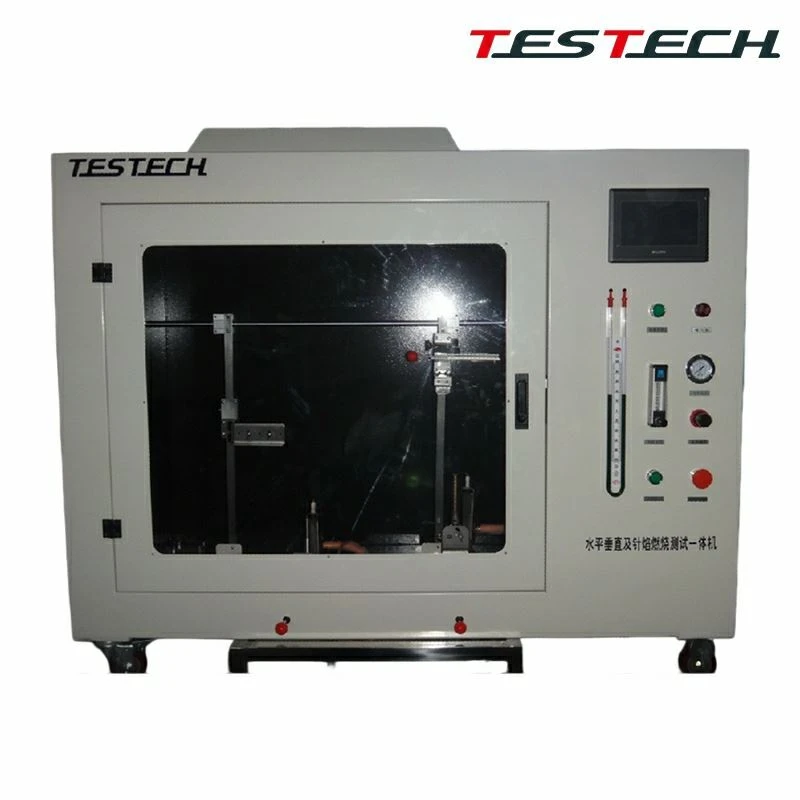
Our Horizontal and Vertical Flame Test Apparatus is a popular choice for testing the flammability of various electronic components. Whether the component is placed horizontally or vertically can already change the way it burns, and the test atmosphere adds another layer of complexity. Humidity, for example, can affect the rate at which the flame spreads along the component, especially in the vertical test where gravity also plays a role.
The Needle Flame Test Apparatus is used to simulate the effect of a small flame, like that from a faulty electrical component. The test atmosphere can impact how the needle flame behaves and how the specimen reacts to it. In a windy environment, the needle flame might be distorted, leading to inconsistent test results.
Last but not least, the Melt Mass - Flow Rate Tester. This tester measures the flow characteristics of a molten polymer. The temperature in the test atmosphere can affect the viscosity of the polymer melt, which in turn can change the melt mass - flow rate. And since the flammability of polymers is related to their physical properties, inaccurate melt mass - flow rate results due to the test atmosphere can mislead us about the polymer's flammability.
So, what can we do to minimize the influence of the test atmosphere on the results? Well, it's all about controlling the environment as much as possible. We can use temperature - and humidity - controlled chambers to keep these factors steady during the test. We can also work in a closed, air - tight space to minimize the effects of air pressure and air circulation.
If you're in the market for an electronic component flammability tester, make sure you also consider how to control the test atmosphere. Getting accurate flammability test results is crucial for the safety and reliability of your electronic products.
If you're interested in our testers or have any questions about how the test atmosphere can affect the results, feel free to reach out for a chat. We're here to help you make the right choice and get the most accurate test results possible. Whether you're a manufacturer, a quality control expert, or just someone interested in electronic component safety, we'd love to assist you.
References:
- ASTM International standards on flammability testing of electronic components
- Industry research papers on the impact of environmental factors on combustion processes.