

As a supplier of fabric flammability testers, I've witnessed firsthand the importance of accurate testing in the textile industry. Fabric flammability testing is crucial for ensuring the safety of consumers, especially in products like clothing, bedding, and upholstery. However, achieving reliable test results is not always straightforward, as numerous factors can influence the outcome. In this blog post, I'll explore the key factors that affect the test result of a fabric flammability tester.
1. Fabric Properties
The inherent properties of the fabric itself play a significant role in flammability testing. Different types of fibers have varying degrees of flammability. For example, natural fibers like cotton and linen are generally more flammable than synthetic fibers such as polyester and nylon. This is because natural fibers contain cellulose, which burns easily, while synthetic fibers often have a higher melting point and are less likely to catch fire.
The fabric's weave and construction also impact its flammability. A tightly woven fabric will generally be more resistant to flames than a loosely woven one, as the tight weave restricts the flow of oxygen to the fibers. Additionally, the weight and thickness of the fabric can affect its flammability. Thicker fabrics tend to burn more slowly than thinner ones, as they have more mass to consume before catching fire.
2. Sample Preparation
Proper sample preparation is essential for obtaining accurate test results. The size and shape of the sample can affect the way it burns. For example, a larger sample may burn more slowly than a smaller one, as it has more surface area to dissipate heat. The edges of the sample should also be carefully prepared to ensure that they do not fray or catch fire prematurely.
The condition of the sample is another important factor. Samples should be clean and free of any contaminants, such as dirt, oil, or chemicals, as these can affect the fabric's flammability. Additionally, samples should be conditioned to a specific temperature and humidity before testing, as these environmental factors can also influence the test results.
3. Testing Conditions
The testing conditions can have a significant impact on the test results. The temperature and humidity of the testing environment can affect the fabric's flammability. Higher temperatures and lower humidity levels can make the fabric more flammable, while lower temperatures and higher humidity levels can make it less flammable.
The type of ignition source used in the test is also important. Different ignition sources, such as a gas burner or an electric spark, can produce different levels of heat and flame intensity, which can affect the fabric's flammability. The duration and intensity of the ignition source should be carefully controlled to ensure consistent test results.
4. Tester Calibration and Maintenance
Proper calibration and maintenance of the fabric flammability tester are crucial for obtaining accurate test results. The tester should be calibrated regularly to ensure that it is measuring the fabric's flammability accurately. This involves checking the temperature, pressure, and flow rate of the ignition source, as well as the sensitivity of the sensors used to measure the fabric's burning time and flame spread.
Regular maintenance of the tester is also important to ensure that it is functioning properly. This includes cleaning the tester, replacing any worn or damaged parts, and lubricating the moving components. Failure to maintain the tester can result in inaccurate test results and may even pose a safety risk.
5. Operator Skill and Training
The skill and training of the operator can also affect the test results. A trained operator will be able to prepare the samples correctly, set up the tester properly, and conduct the test in a consistent and accurate manner. They will also be able to interpret the test results correctly and identify any potential issues or errors.
On the other hand, an inexperienced or untrained operator may make mistakes during the sample preparation, testing, or result interpretation, which can lead to inaccurate test results. Therefore, it is important to provide proper training and certification to the operators of fabric flammability testers to ensure that they have the necessary skills and knowledge to conduct the tests accurately.
Our Range of Fabric Flammability Testers
At our company, we offer a wide range of fabric flammability testers to meet the diverse needs of our customers. Our testers are designed to provide accurate and reliable test results, and they are used by leading textile manufacturers, testing laboratories, and regulatory agencies around the world.
- Textile 45° Flammability Tester: This tester is used to determine the flammability of textiles at a 45° angle. It is suitable for testing a variety of fabrics, including clothing, bedding, and upholstery.
- Hanging Fabric Flammability Tester: This tester is used to determine the flammability of hanging fabrics, such as curtains and drapes. It is designed to simulate the conditions in which these fabrics are used in real life.
- Protective Clothing Assessment Of Resistance Of Material To Molten Metal Splash: This tester is used to evaluate the resistance of protective clothing materials to molten metal splash. It is an important test for ensuring the safety of workers in industries such as foundries and welding.
- Flame-Retardant Tape Flammability Tester: This tester is used to determine the flammability of flame-retardant tapes. It is suitable for testing a variety of tapes, including electrical tapes and industrial tapes.
- TPP Thermal Protective Performance Tester: This tester is used to evaluate the thermal protective performance of fabrics. It is an important test for ensuring the safety of workers in industries such as firefighting and welding.
Conclusion
In conclusion, there are several factors that can affect the test result of a fabric flammability tester, including fabric properties, sample preparation, testing conditions, tester calibration and maintenance, and operator skill and training. By understanding these factors and taking the necessary steps to control them, it is possible to obtain accurate and reliable test results.

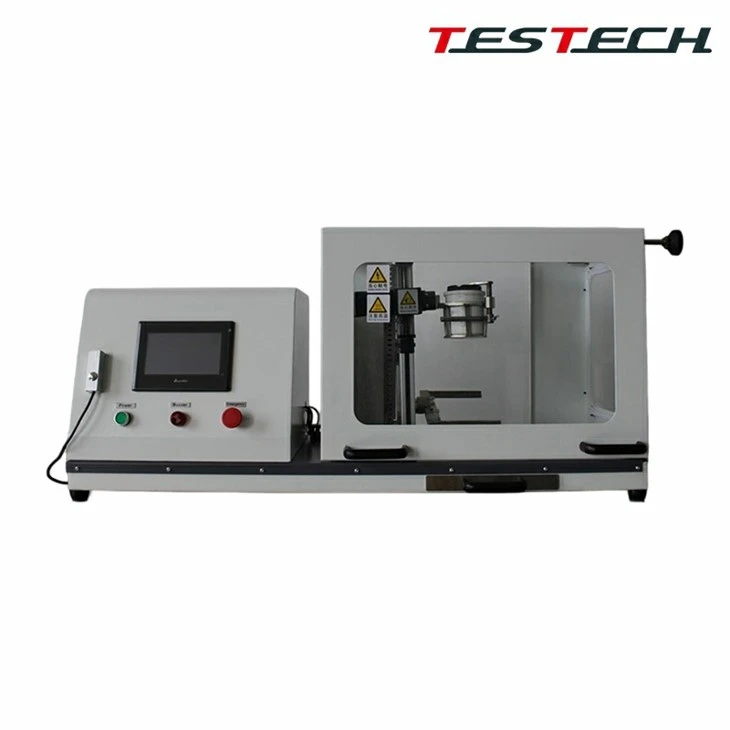
If you are in the market for a fabric flammability tester, we invite you to contact us to discuss your specific needs. Our team of experts will be happy to help you select the right tester for your application and provide you with the support and training you need to ensure accurate and reliable test results.
References
- ASTM International. (2021). Standard Test Methods for Flammability of Textiles. ASTM D6413 - 11(2021).
- ISO. (2016). Textiles - Burning behaviour - Vertical flame spread of vertically oriented specimens of fabrics. ISO 6941:2016.
- EN. (2018). Protective clothing - Protection against heat and flame - Test method: Determination of the thermal protective performance (TPP) of materials. EN ISO 17492:2018.