

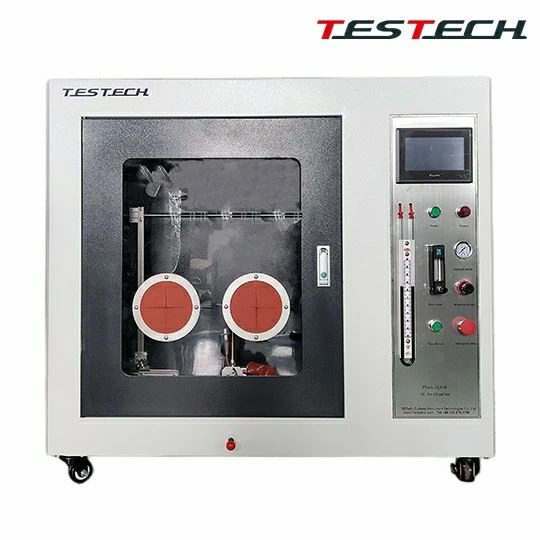
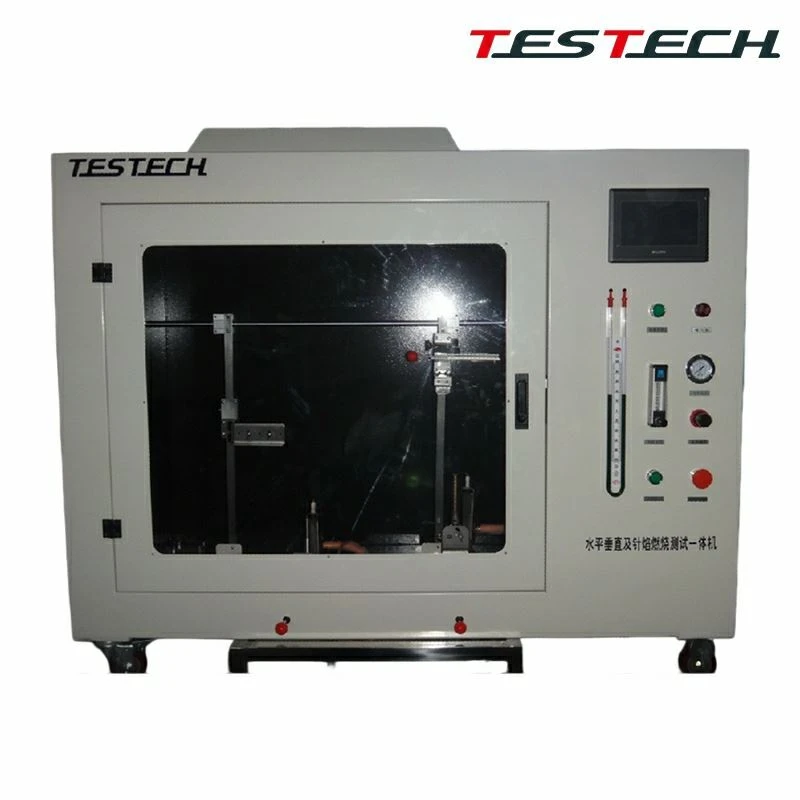
The Glow Wire Test Apparatus is a crucial instrument in assessing the flammability of materials and products, especially for those used in electrical and electronic equipment. As a reliable Glow Wire Test Apparatus supplier, I've witnessed firsthand how various factors can significantly influence the test results. Understanding these factors is essential for accurate testing and ensuring product safety.
1. Material Properties
The inherent properties of the tested material play a fundamental role in the Glow Wire Test. Different materials have distinct chemical compositions, physical structures, and thermal properties, which directly affect their flammability behavior.
Chemical Composition
The chemical composition of a material determines its reactivity with oxygen and the heat generated during combustion. For instance, materials rich in carbon and hydrogen, such as plastics and rubbers, are generally more flammable than inorganic materials like metals and ceramics. Halogen - containing polymers may release toxic gases when burned, but they can also have self - extinguishing properties due to the presence of halogens, which can interfere with the combustion process.
Physical Structure
The physical structure of a material, including its density, porosity, and surface area, can impact the test results. A porous material may absorb more heat and oxygen, leading to faster combustion. For example, a foamed plastic may burn more readily than a solid plastic of the same chemical composition because the foam structure provides more surface area for heat transfer and oxygen diffusion.
Thermal Properties
Thermal properties like thermal conductivity, specific heat capacity, and melting point are also important. Materials with low thermal conductivity tend to accumulate heat at the point of contact with the glow wire, increasing the likelihood of ignition. A material with a low melting point may melt and drip during the test, which can spread the fire or cause secondary ignition.
2. Glow Wire Parameters
The settings and characteristics of the glow wire itself are critical determinants of the test outcome.
Temperature
The temperature of the glow wire is a primary factor. The test standards usually specify a range of temperatures for different applications. A higher temperature increases the energy input to the material, making it more likely to ignite. For example, in a standard glow wire test, the temperature may be set at 650°C, 750°C, or 850°C. If the temperature is not accurately controlled, it can lead to inconsistent results. A slight deviation from the specified temperature can cause a material that should pass the test to fail or vice versa.
Contact Time
The duration of contact between the glow wire and the test specimen is another important parameter. Longer contact times allow more heat to be transferred to the material, increasing the probability of ignition. The test standards typically define a specific contact time, such as 30 seconds. Any variation in the contact time can affect the test result. For instance, if the contact time is shorter than specified, a potentially flammable material may not have enough time to reach its ignition temperature and may appear to pass the test.
Contact Force
The force with which the glow wire is pressed against the test specimen also matters. Insufficient contact force may result in poor heat transfer between the glow wire and the material, leading to inaccurate results. If the contact force is too high, it may damage the specimen or cause it to deform, which can also influence the flammability behavior.
3. Test Environment
The environment in which the Glow Wire Test is conducted can have a significant impact on the results.
Temperature and Humidity
The ambient temperature and humidity can affect the physical and chemical properties of the test specimen. High temperatures can pre - heat the material, making it more likely to ignite. Humidity can also influence the flammability of some materials. For example, materials that absorb moisture may have different combustion characteristics when wet compared to when they are dry. In general, most test standards specify a particular temperature and humidity range for the test environment to ensure consistency and accuracy.
Airflow
The presence of airflow in the test area can affect the combustion process. A strong airflow can supply more oxygen to the burning material, accelerating the combustion and increasing the spread of the fire. On the other hand, a lack of proper ventilation can lead to the accumulation of combustible gases, which may cause secondary ignition or alter the test results. Therefore, the test should be conducted in a well - controlled environment with minimal and consistent airflow.
4. Specimen Preparation
Proper specimen preparation is essential for obtaining reliable test results.
Size and Shape
The size and shape of the test specimen can influence its flammability. A larger specimen may have more mass to absorb heat, which can affect the ignition time and the spread of the fire. The shape can also impact the heat transfer and airflow around the specimen. For example, a thin and flat specimen may burn differently from a thick and cylindrical one. The test standards usually define the specific size and shape requirements for the specimen to ensure comparability of test results.
Surface Condition
The surface condition of the specimen, including its smoothness, cleanliness, and presence of coatings, can affect the test outcome. A rough surface may provide more sites for ignition, while a smooth surface may allow the heat to spread more evenly. Coatings on the specimen can either enhance or inhibit the flammability, depending on their composition. For example, a fire - retardant coating can reduce the flammability of the underlying material.
5. Operator Skills and Procedures
The skills and procedures of the operator conducting the Glow Wire Test are also important factors.
Training and Experience
An operator with proper training and experience is more likely to conduct the test accurately. They understand the importance of following the test standards, setting the correct parameters, and handling the specimen properly. Inexperienced operators may make mistakes, such as incorrect temperature setting, inconsistent contact time, or improper specimen handling, which can lead to unreliable test results.
Test Procedure Compliance
Strict adherence to the test procedures is crucial. Any deviation from the standard procedures, such as using incorrect test equipment, not calibrating the glow wire properly, or not recording the test data accurately, can affect the test results. For example, if the glow wire is not calibrated regularly, it may not reach the specified temperature, leading to inaccurate ignition assessments.
In addition to the Glow Wire Test Apparatus, we also offer a range of related testing equipment, such as the Needle Flame Test Apparatus, Comparative Tracking Index Tester, Horizontal and Vertical Flame Test Apparatus, Rubber Hose Non - flammability Tester, and Melt Mass - Flow Rate Tester. These instruments can help you comprehensively evaluate the flammability and other properties of your materials and products.
If you are interested in our Glow Wire Test Apparatus or other testing equipment, please feel free to contact us for more information and to discuss your specific requirements. We are committed to providing high - quality products and professional services to meet your testing needs.
References
- International Electrotechnical Commission (IEC). IEC 60695 - 2 - 10: Glow - wire test methods for materials and products - Glow - wire flammability test method (GWFI).
- Underwriters Laboratories (UL). UL 746A: Polymeric Materials - Short - Term Property Evaluations for Electrical Equipment Applications.