

As a trusted supplier of the Steiner Horizontal Tunnel Furnace Apparatus, I am often asked about the installation dimensions of this essential piece of equipment. In this blog post, I will delve into the details of the installation dimensions, providing you with the information you need to ensure a smooth and successful installation process.
Understanding the Steiner Horizontal Tunnel Furnace Apparatus
The Steiner Horizontal Tunnel Furnace Apparatus is a sophisticated testing device used to evaluate the flammability characteristics of various materials, particularly those used in building construction and interior finish applications. This apparatus operates in accordance with industry - recognized standards such as ASTM E84 and UL 723, which measure the surface burning characteristics of materials by determining the flame spread index (FSI) and smoke developed index (SDI).
Key Installation Dimensions
Before we start discussing the actual dimensions, it's important to note that the size and installation requirements can vary slightly depending on the specific model and any additional features or customizations. However, the following are the general installation dimensions you should be aware of:
Overall Length
The overall length of the Steiner Horizontal Tunnel Furnace Apparatus typically ranges from 25 feet (7.62 meters) to 30 feet (9.14 meters). This length is crucial as it allows for the proper setup of the test specimen and the measurement of the flame spread over a sufficient distance. The extended length ensures that accurate data can be collected during the flammability test.
Width
The width of the apparatus is usually around 2 feet (0.61 meters). This width provides enough space for the test specimen to be placed on the test surface without overcrowding. It also allows for the proper ventilation and air circulation within the tunnel during the testing process. Adequate width is essential to ensure that the test conditions are consistent and that the results are reliable.
Height
The height of the Steiner Horizontal Tunnel Furnace is approximately 1.5 feet (0.46 meters). This relatively low height helps in maintaining a stable and even flame front during the test. It also facilitates easy access to the test specimen for loading and unloading, as well as for maintenance and adjustment of the apparatus.
Clearance Requirements
In addition to the physical dimensions of the apparatus itself, it is crucial to consider the clearance requirements around it. A minimum clearance of 3 feet (0.91 meters) should be maintained on all sides of the furnace. This clearance is necessary for safety reasons, such as providing easy access in case of an emergency and allowing for proper ventilation. Ventilation is vital to remove the smoke and combustion by - products generated during the testing process.
Importance of Accurate Installation Dimensions
Maintaining the correct installation dimensions is of utmost importance for several reasons. Firstly, it ensures that the apparatus operates in accordance with the relevant standards. Any deviation from the specified dimensions can lead to inaccurate test results, which can have serious implications for the safety and compliance of the tested materials.
Secondly, proper installation dimensions contribute to the safety of the testing environment. Adequate ventilation and clearance prevent the build - up of toxic gases and heat, reducing the risk of fire and other hazards. It also allows for easy access to the apparatus for maintenance and repair, which is essential for its long - term performance.
Complementary Products
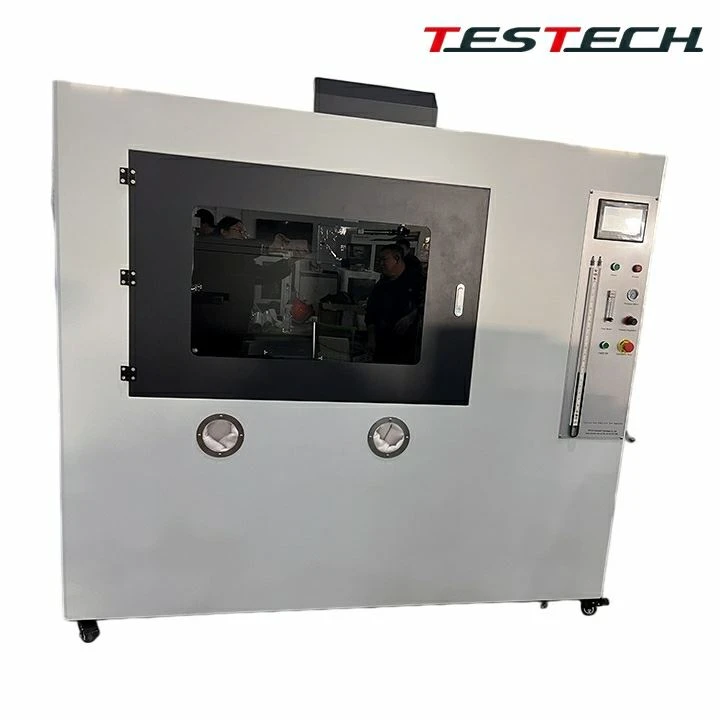
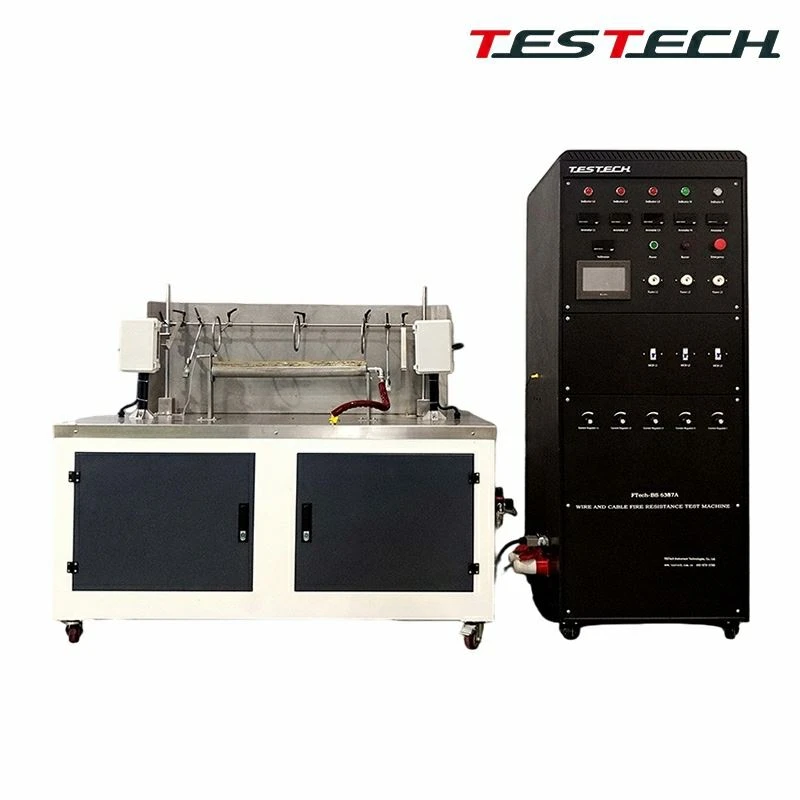
As a supplier of the Steiner Horizontal Tunnel Furnace Apparatus, we also offer a range of complementary products that can enhance your testing capabilities. For example, you might be interested in our Cable Fire Resistance Tester. This tester is designed to assess the fire - resistant properties of cables, which is crucial for ensuring the safety of electrical systems.
Another useful product is the Power Cable Busway Combustion Test Furnace. It is specifically engineered to test the combustion behavior of power cable busways, providing valuable data for the design and installation of electrical infrastructure.
Our Horizontal Vertical Specimen Flame Tester is a versatile device that can perform flammability tests on various specimens in both horizontal and vertical orientations, offering more flexibility in your testing procedures.
The Naval Engineering Standard 713 Toxic Chamber is an important tool for measuring the toxic gas emissions from materials during combustion, which is particularly relevant for naval and marine applications.
Lastly, the Halogen PH Conductivity Tester can analyze the halogen content and pH conductivity of materials, providing additional insights into their flammability and environmental impact.
Contact for Procurement and Consultation
If you are in the market for a Steiner Horizontal Tunnel Furnace Apparatus or any of our complementary products, we are here to assist you. Our team of experts can provide you with detailed information about installation, operation, and maintenance. We can also offer customized solutions to meet your specific testing requirements. Feel free to reach out to us for a consultation and to discuss procurement options. Let's work together to ensure the safety and compliance of your materials through accurate and reliable flammability testing.
References
- ASTM E84 - Standard Test Method for Surface Burning Characteristics of Building Materials
- UL 723 - Standard for Test for Surface Burning Characteristics of Building Materials