

Is it necessary to have professional training to use a heat of combustion tester for material? This is a question that often arises among those involved in material testing and quality control. As a supplier of heat of combustion testers for materials, I'd like to delve into this topic and share my insights.
The Complexity of Heat of Combustion Testing
Heat of combustion testing is a crucial process in evaluating the flammability and energy content of various materials. It involves measuring the amount of heat released when a material is burned under specific conditions. This data is vital for a wide range of industries, including construction, manufacturing, and aviation, as it helps ensure the safety and compliance of materials with relevant standards and regulations.
The operation of a heat of combustion tester is not as straightforward as it may seem. It requires a deep understanding of the underlying principles of thermodynamics, as well as the specific features and limitations of the testing equipment. For instance, factors such as the sample size, the oxygen supply, and the ignition method can significantly affect the test results. Therefore, without proper training, it is easy to make errors that could lead to inaccurate or unreliable data.
The Importance of Professional Training
Professional training plays a pivotal role in ensuring the accurate and efficient use of a heat of combustion tester. Firstly, it provides users with a comprehensive understanding of the theoretical basis of heat of combustion testing. This knowledge is essential for interpreting the test results correctly and making informed decisions based on them. For example, understanding the concept of heat of combustion and how it relates to the flammability of materials can help users determine whether a material meets the required safety standards.
Secondly, training equips users with the practical skills needed to operate the tester effectively. This includes learning how to prepare the samples properly, set up the testing parameters, and perform the test procedures safely. For instance, improper sample preparation can lead to inconsistent results, while incorrect parameter settings can cause the tester to malfunction. By receiving professional training, users can avoid these common pitfalls and ensure the reliability of the test results.
Moreover, training also covers the maintenance and calibration of the heat of combustion tester. Regular maintenance and calibration are essential for keeping the tester in good working condition and ensuring the accuracy of the test results. Without proper training, users may not know how to perform these tasks correctly, which could result in inaccurate measurements and costly repairs.
Real - World Consequences of Untrained Use
The consequences of using a heat of combustion tester without proper training can be far - reaching. Inaccurate test results can lead to the use of unsafe materials in construction projects, which could pose a significant risk to the lives and property of the occupants. For example, if a building material is incorrectly classified as having a low heat of combustion when it actually has a high one, it could increase the likelihood of a fire spreading rapidly in the event of an emergency.
In addition, unreliable test data can also lead to legal issues for manufacturers and suppliers. If a product fails to meet the safety standards due to inaccurate testing, the company may face lawsuits and financial losses. This not only damages the reputation of the company but also undermines the trust of consumers in the industry.
Our Training Programs as a Supplier
As a supplier of heat of combustion testers for materials, we understand the importance of professional training. That's why we offer comprehensive training programs for our customers. Our training courses are designed by experienced engineers and technicians who have in - depth knowledge of heat of combustion testing.
The training programs cover both theoretical and practical aspects of using the heat of combustion tester. In the theoretical part, we teach the fundamental concepts of thermodynamics, heat of combustion, and relevant testing standards. In the practical part, participants have the opportunity to operate the tester under the guidance of our experts, learning how to perform the test procedures step by step.
We also provide ongoing technical support to our customers after the training. Our technical team is always ready to answer any questions and provide assistance whenever needed. This ensures that our customers can use the heat of combustion tester with confidence and obtain accurate and reliable test results.
Related Testing Equipment and Resources
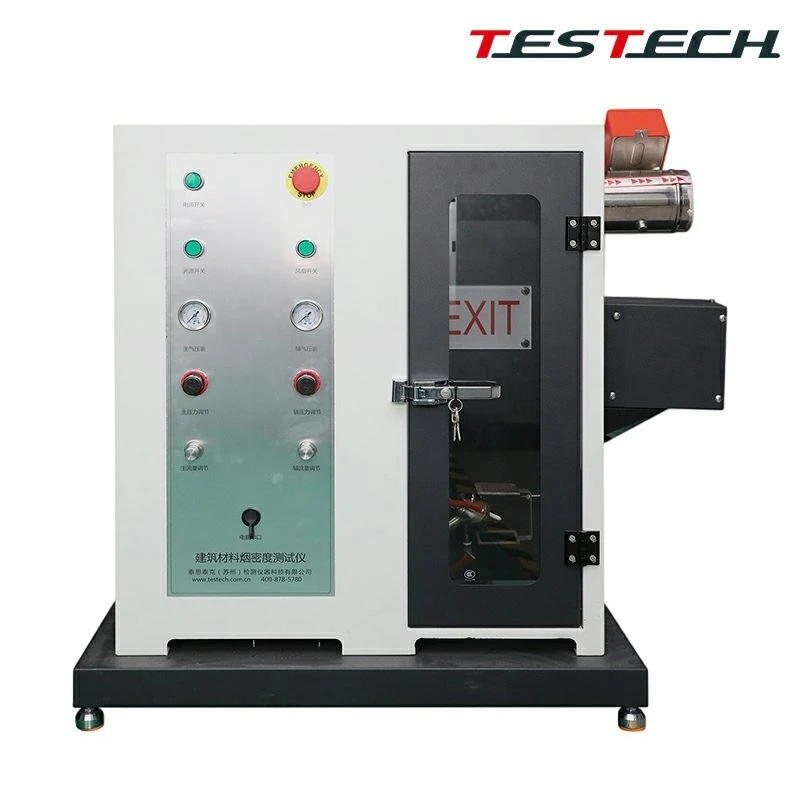
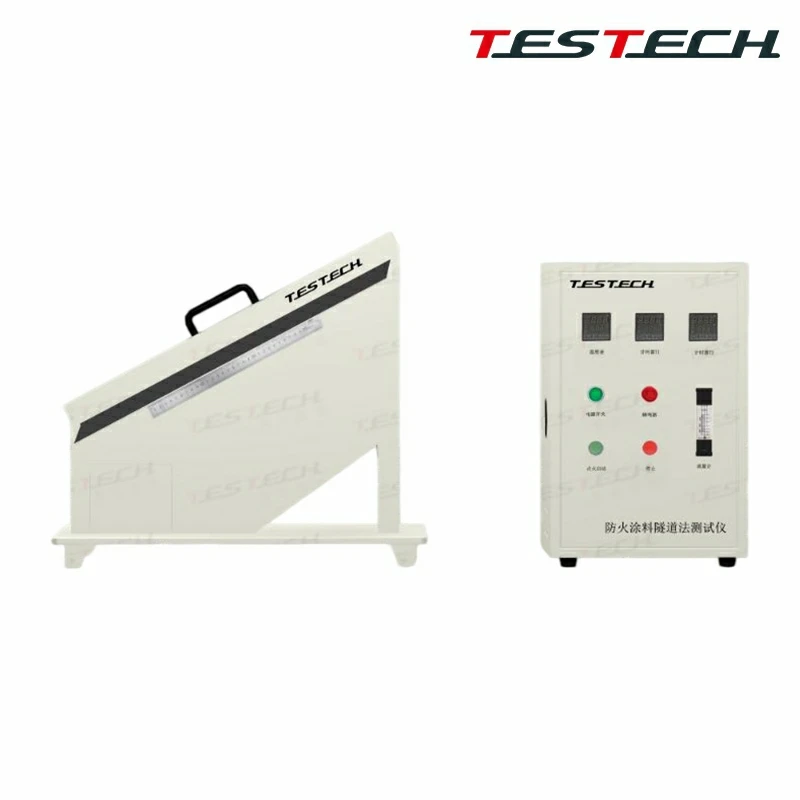
In addition to heat of combustion testers, we also offer a range of other testing equipment for building materials. For example, our Fire - Retardant Coating Tester Tunnel Method is designed to evaluate the fire - retardant performance of coatings. Our Building Material Smoke Density Tester can measure the smoke density generated by building materials during combustion, which is an important factor in fire safety.
We also have a Paper - Faced Gypsum Board Fire Stability Tester for testing the fire stability of gypsum boards, a Flame - Retardant Paper and Cardboard Flammability Tester for assessing the flammability of paper and cardboard products, and a Fire Resistance Tester for Pipe for testing the fire - resistance performance of pipes.
Encouragement to Contact for Purchase and Training
If you are interested in our heat of combustion testers or any of our other testing equipment, we encourage you to contact us for more information. Our sales team is ready to provide you with detailed product specifications and pricing information. We can also tailor the training programs according to your specific needs and requirements.
Whether you are a construction company, a manufacturing plant, or a research institution, accurate and reliable material testing is essential for your business. By using our high - quality testing equipment and receiving professional training, you can ensure the safety and compliance of your products, as well as gain a competitive edge in the market. So don't hesitate to reach out to us and start a conversation about how we can meet your testing needs.
References
- ASTM International. "Standard Test Method for Heat of Combustion of Liquid Hydrocarbon Fuels by Bomb Calorimeter (Precision Method)." ASTM D240 - 20.
- ISO. "ISO 1716:2018 Reaction to fire tests — Determination of the heat of combustion."
- NFPA. "National Fire Protection Association Codes and Standards Related to Material Flammability and Heat of Combustion."