

Hey there! As a supplier of the Aircraft Material Heat Release Rate Tester, I often get asked about how to adjust the test parameters of this important piece of equipment. In this blog, I'm gonna break it down for you in a simple and easy - to - understand way.
Understanding the Basics
First things first, let's talk about why adjusting the test parameters of an Aircraft Material Heat Release Rate Tester is so crucial. When it comes to aircraft materials, safety is the number one priority. The heat release rate of these materials can have a huge impact on the safety of passengers and crew in case of a fire on board. By accurately adjusting the test parameters, we can simulate different real - world fire scenarios and get reliable data on how the materials will perform.
Key Test Parameters
There are several key test parameters that you need to consider when using an Aircraft Material Heat Release Rate Tester:
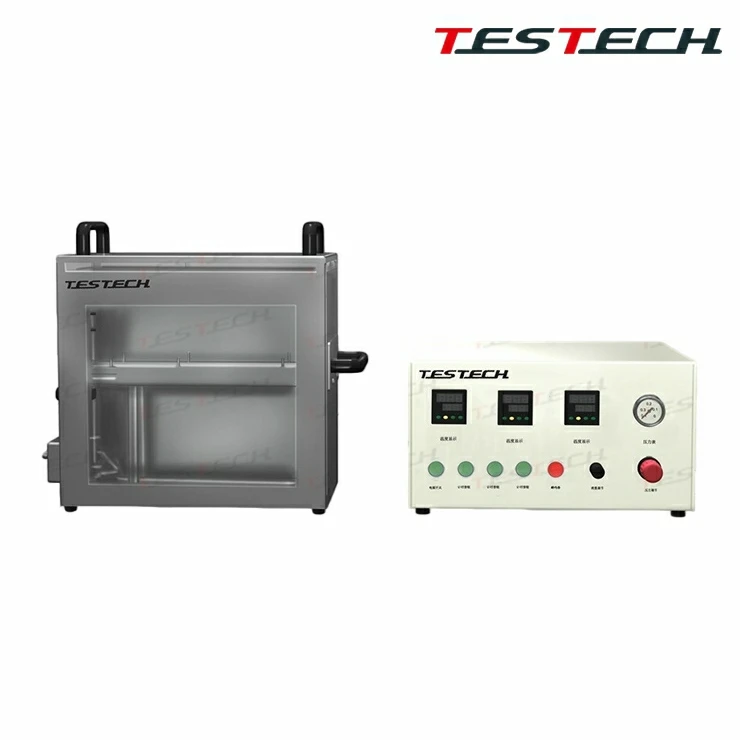

1. Incident Heat Flux
The incident heat flux is basically the amount of heat energy that is directed towards the test specimen. It plays a major role in determining how quickly the material will start to burn and how much heat it will release. To adjust the incident heat flux, you can usually change the power output of the radiant heat source in the tester. A higher heat flux will speed up the burning process, while a lower one will slow it down. For most aircraft material tests, the incident heat flux is set according to international standards such as FAR 25.853 or ISO 5660.
2. Air Flow Rate
The air flow rate affects the oxygen supply to the burning material. A higher air flow rate means more oxygen is available for combustion, which can increase the heat release rate. On the other hand, a lower air flow rate can limit the combustion process. You can adjust the air flow rate through the ventilation system of the tester. Make sure to set it according to the test requirements, because an incorrect air flow rate can lead to inaccurate test results.
3. Specimen Size and Orientation
The size and orientation of the test specimen also matter a lot. The standard size of the specimen is usually defined by the testing standards. If the specimen is too large or too small, it can affect the heat transfer and combustion process. Similarly, the orientation of the specimen - whether it's horizontal or vertical - can change how the material burns. When preparing the specimen, always follow the exact specifications provided by the relevant standards.
Step - by - Step Adjustment Process
Now that we know the key parameters, let's go through the step - by - step process of adjusting them:
Step 1: Know the Test Requirements
Before you start adjusting the parameters, you need to figure out what the test requirements are. This could be based on the regulations of the aviation industry, the specific needs of your client, or the research you're conducting. Check the relevant standards and guidelines, and make a note of the required values for each parameter.
Step 2: Prepare the Tester
Make sure the Aircraft Material Heat Release Rate Tester is clean and in good working condition. Check all the components, such as the radiant heat source, the air flow system, and the measurement sensors. If there are any issues, fix them before proceeding.
Step 3: Adjust the Incident Heat Flux
Use the control panel of the tester to adjust the power output of the radiant heat source. Measure the incident heat flux using a heat flux sensor and make small adjustments until you reach the desired value. Keep an eye on the readings and make sure they are stable.
Step 4: Set the Air Flow Rate
Adjust the air flow rate using the valves or controls in the ventilation system. You can measure the air flow rate with a flow meter. If the measured value is different from the required one, fine - tune the controls until you get the right air flow rate.
Step 5: Prepare and Place the Specimen
Cut the specimen to the correct size and shape as per the standards. Place it in the tester in the appropriate orientation. Make sure it is properly secured so that it doesn't move during the test.
Step 6: Conduct a Test Run
Once all the parameters are set, conduct a test run. Monitor the test closely and record all the data. Check if the test results are within the expected range. If not, you may need to go back and adjust the parameters again.
Tips for Accurate Parameter Adjustment
- Calibrate Regularly: Regularly calibrate the tester and all its sensors. This will ensure that the measurements are accurate and reliable.
- Keep Records: Keep detailed records of all the parameter adjustments and test results. This will help you track the performance of the tester over time and identify any potential issues.
- Stay Updated: Stay updated with the latest aviation regulations and testing standards. These may change over time, and you need to make sure your tests are compliant.
Related Testing Equipment
If you're in the field of aircraft material testing, you might also be interested in some other related testing equipment. For example, the Aircraft Fire Penetration Tester can help you test how well aircraft materials can resist fire penetration. The Adhesive Tape Vertical Flammability Tester is useful for testing the flammability of adhesive tapes used in aircraft. The Horizontal Burning Rate Tester can measure the horizontal burning rate of materials, and the Reinforced Plastic Incandescent Rod Tester is designed for testing reinforced plastics.
Conclusion and Call to Action
Adjusting the test parameters of an Aircraft Material Heat Release Rate Tester is a detailed but essential process. By following the steps and tips I've shared in this blog, you can ensure that your tests are accurate and reliable, which is crucial for the safety of aircraft materials.
If you're in the market for an Aircraft Material Heat Release Rate Tester or any of the related testing equipment I mentioned, don't hesitate to reach out. We're here to offer you high - quality products and professional support to meet your testing needs. Whether you're a research institution, a manufacturer, or an aviation safety regulator, we can provide the solutions you're looking for.
References
- Federal Aviation Regulations (FAR) Part 25.853
- ISO 5660 - 1: Reaction to fire tests - Heat release, smoke production and mass loss rate - Part 1: Heat release rate (cone calorimeter method)