

Hey there! As a supplier of Glow Wire Test Apparatus, I often get asked, "How often should a Glow Wire Test Apparatus be calibrated?" It's a crucial question, and in this blog, I'm gonna break it down for you.
Understanding the Glow Wire Test Apparatus
First off, let's quickly go over what a Glow Wire Test Apparatus does. This piece of equipment is used to test the flammability of materials, especially those used in electrical and electronic components. It simulates the effects of heat sources that could potentially cause a fire hazard. By applying a glowing wire to the test specimen, we can determine if the material will catch fire, how long it will burn, and if it will spread the flame.
Why Calibration Matters
Calibration is like giving your Glow Wire Test Apparatus a health check-up. It ensures that the device is measuring and performing accurately. If the apparatus isn't calibrated correctly, the test results could be way off. This can lead to false positives or negatives, which is a big deal when it comes to safety testing. For example, if a material passes the test because of an inaccurate calibration but it's actually a fire hazard, it could put people and property at risk. On the flip side, if a safe material fails the test due to calibration issues, it could cause unnecessary delays and costs for manufacturers.
Factors Affecting Calibration Frequency
There isn't a one - size - fits - all answer to how often you should calibrate your Glow Wire Test Apparatus. Several factors come into play:
1. Usage Frequency
If your Glow Wire Test Apparatus is used daily, it's gonna wear out faster than one that's used only occasionally. The more you use it, the more likely the internal components are to shift or become less accurate. So, for high - usage machines, I'd recommend calibrating at least once every six months. On the other hand, if you use it just a few times a year, an annual calibration might be enough.
2. Environmental Conditions
The environment where the apparatus is stored and used can also impact its accuracy. If it's kept in a place with high humidity, extreme temperatures, or a lot of dust, it can affect the performance of the sensors and other parts. For instance, high humidity can cause corrosion, and extreme temperatures can make the materials expand or contract, throwing off the calibration. In harsh environments, you might need to calibrate every three to six months.
3. Manufacturer's Recommendations
The manufacturer of the Glow Wire Test Apparatus usually provides some guidelines on calibration frequency. They know their product best, so it's a good idea to follow their advice. Some manufacturers might suggest calibrating annually, while others could recommend more frequent checks depending on the design and quality of the equipment.
Industry Standards and Regulations
Different industries have their own standards and regulations regarding calibration. In the electrical and electronics industry, for example, standards like IEC 60695 - 2 - 10 to 13 set out the requirements for glow wire testing. These standards often mention the need for regular calibration to ensure accurate and reliable results. Compliance with these standards is not only important for safety but also for legal reasons. If your products don't meet the required safety standards because of inaccurate test results from an uncalibrated apparatus, you could face fines or legal action.

The Calibration Process
Calibrating a Glow Wire Test Apparatus involves a few steps. First, a qualified technician will check the temperature accuracy of the glow wire. They'll use a calibrated thermometer to measure the actual temperature of the wire and compare it to the set temperature on the apparatus. If there's a difference, they'll adjust the settings accordingly.
Next, they'll test the force applied by the glow wire to the specimen. This is important because the force can affect the test results. They'll use a force - measuring device to ensure that the force is within the specified range.
Finally, they'll check the timing of the test. The duration of the glow wire application is crucial for accurate testing. The technician will use a stopwatch or a calibrated timer to make sure the apparatus is timing the test correctly.
Other Related Testing Equipment
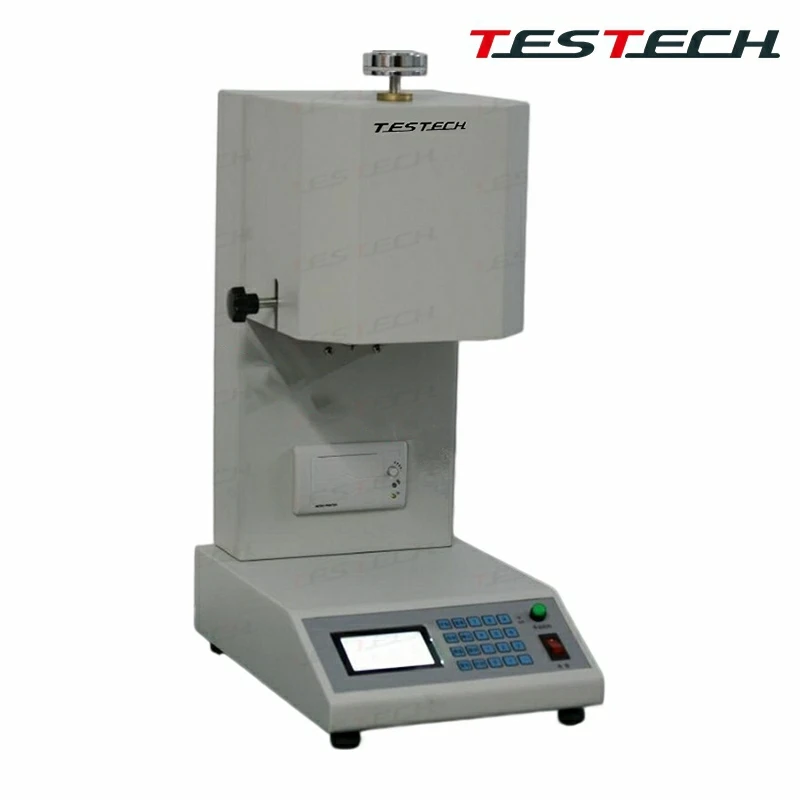
While we're on the topic of flammability testing, it's worth mentioning some other types of equipment that are commonly used in the industry. There's the Melt Mass - Flow Rate Tester, which measures the flow rate of molten plastic materials. This can give an indication of how the material will behave under heat.
The Horizontal and Vertical Flame Test Apparatus is used to test the flammability of materials in both horizontal and vertical positions. It helps determine if the material will spread fire and at what rate.
The Comparative Tracking Index Tester is used to evaluate the electrical tracking resistance of insulating materials. And the Needle Flame Test Apparatus is designed to simulate the effect of a small flame source on the test specimen.
Last but not least, the High - voltage Tracking Indices Tester is used to determine the high - voltage tracking resistance of insulating materials.
Conclusion and Call to Action
So, to sum it up, the frequency of calibrating a Glow Wire Test Apparatus depends on factors like usage frequency, environmental conditions, and manufacturer's recommendations. Generally, it can range from once a year for low - usage and well - maintained equipment to every three to six months for high - usage or equipment in harsh environments.
If you're in the market for a Glow Wire Test Apparatus or any of the other flammability testing equipment I mentioned above, don't hesitate to reach out. We can provide you with high - quality products and also offer calibration services to ensure accurate and reliable testing. Whether you're a small - scale manufacturer or a large corporation, we've got the solutions you need for your safety testing requirements.
References
- IEC 60695 - 2 - 10 to 13, "Glow - wire test methods for materials and parts in electrical equipment testing"
- Various industry publications on flammability testing and equipment calibration.