

The Needle Flame Test Apparatus is a sophisticated and well - established instrument in the testing field. As a dedicated supplier of Needle Flame Test Apparatus, I often encounter inquiries about its applicability in testing rubber materials. In this blog, we will delve into whether the Needle Flame Test Apparatus can be used for testing rubber materials, exploring the functionalities of the apparatus, the characteristics of rubber materials, and the relevant testing standards.
Understanding the Needle Flame Test Apparatus
The Needle Flame Test Apparatus is designed to simulate the effects of small flames that may occur due to faulty components or short - circuits in electrical equipment. It creates a flame with a specific height and temperature by burning a gas mixture, typically butane. The flame is applied to the test specimen for a set period, usually 10, 30, or 60 seconds, and then the behavior of the specimen, such as ignition, flaming time, and dripping, is observed.
This test is crucial in assessing the flammability of materials used in electrical and electronic products, as it helps to ensure that these materials do not pose a fire hazard when exposed to small flames in real - world scenarios. The results of the needle flame test can also influence product design and material selection to meet safety requirements.
Characteristics of Rubber Materials
Rubber is a highly versatile material with a wide range of applications, from automotive parts to household appliances and electronic components. It has unique physical and chemical properties that affect its flammability.
Most rubber materials are organic polymers, containing carbon, hydrogen, and sometimes other elements such as sulfur and nitrogen. Organic polymers are generally combustible, and the flammability of rubber depends on factors like its chemical composition, molecular structure, and the presence of additives. For example, natural rubber, which is composed mainly of polyisoprene, is flammable. However, the addition of flame - retardant additives can significantly reduce its flammability.

Rubber also has a relatively low melting point compared to some other materials, which means it may melt and drip during a fire. This dripping can spread the fire to other areas, increasing the fire hazard.
Can the Needle Flame Test Apparatus be Used for Testing Rubber Materials?
The short answer is yes, the Needle Flame Test Apparatus can be used for testing rubber materials, but with certain considerations.
Regulatory Requirements
Many international and national standards regulate the use of the needle flame test for rubber materials. For instance, the IEC 60695 - 2 - 2 standard provides guidelines on the needle flame test for various materials used in electrical equipment, including rubber. This standard specifies the test conditions, such as the flame height, application time, and the evaluation criteria for the test results.
If a rubber material is intended for use in electrical or electronic products, it may need to pass the needle flame test to comply with safety regulations. Manufacturers are required to ensure that the rubber components in their products do not ignite or self - extinguish within a specified time to prevent fire hazards.
Testing Considerations
When using the Needle Flame Test Apparatus to test rubber materials, several factors need to be considered. First, the surface condition of the rubber specimen can affect the test results. A rough or porous surface may cause the flame to spread more easily compared to a smooth surface. Therefore, it is important to prepare the specimen carefully, ensuring that the surface is clean and uniform.
Second, the thickness of the rubber material can also influence the test outcome. Thicker rubber specimens may take longer to ignite and may have different self - extinguishing times compared to thinner ones. The testing standard usually specifies the required thickness of the specimen, and it is essential to adhere to these requirements.
Third, the presence of additives in the rubber material can impact the flammability. Flame - retardant additives can make the rubber less flammable, while plasticizers or other additives may increase its combustibility. When testing rubber materials with additives, it is necessary to understand the nature and amount of these additives to accurately evaluate the test results.
Comparison with Other Testing Methods
While the Needle Flame Test Apparatus is useful for testing rubber materials, there are other testing methods available as well. Each method has its own advantages and is suitable for different testing purposes.
- Comparative Tracking Index Tester: The Comparative Tracking Index Tester is used to determine the ability of a material to resist the formation of conductive tracks under the influence of a contaminant and an electrical stress. This test is important for materials used in electrical insulation, and it provides different information from the needle flame test. Rubber materials may need to undergo both the needle flame test and the comparative tracking index test to ensure their safety in electrical applications.
- Horizontal and Vertical Flame Test Apparatus: The Horizontal and Vertical Flame Test Apparatus assesses the flammability of materials in a horizontal or vertical orientation. It is often used to classify materials according to their flammability ratings. For rubber materials, this test can provide additional information about their burning behavior, especially in terms of flame spread in different directions.
- High - voltage Tracking Indices Tester: The High - voltage Tracking Indices Tester is designed to evaluate the tracking resistance of materials under high - voltage stress. Similar to the comparative tracking index test, it focuses on the electrical properties of the material rather than its direct flammability. However, when rubber is used in high - voltage applications, passing both the needle flame test and the high - voltage tracking indices test is necessary.
- Rubber Hose Non - flammability Tester: The Rubber Hose Non - flammability Tester is specifically designed for testing rubber hoses. It can provide more targeted information about the non - flammability of rubber hoses, which may have different requirements compared to other rubber products.
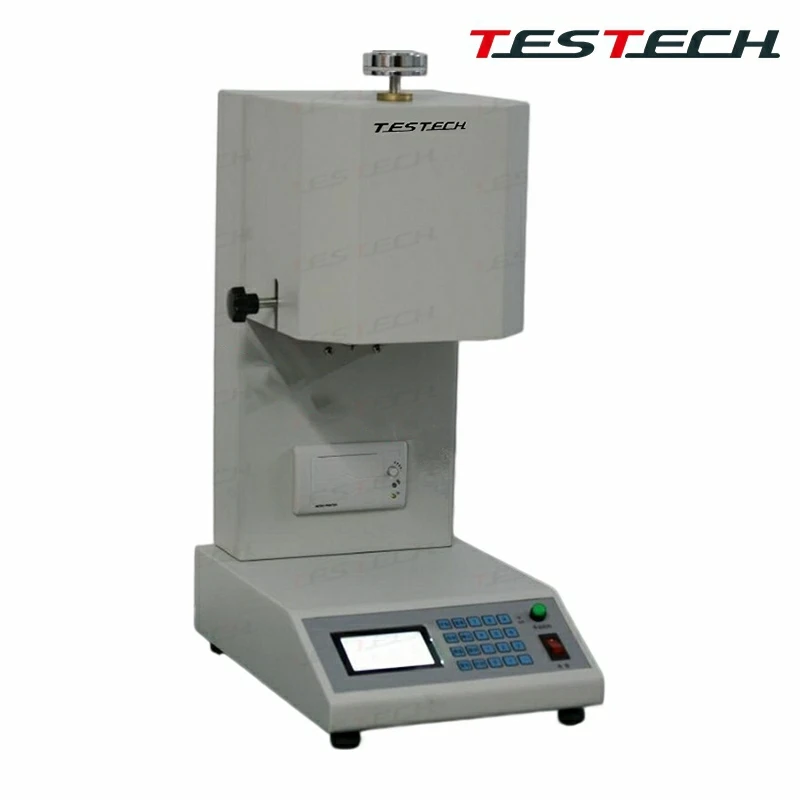
- Melt Mass - Flow Rate Tester: The Melt Mass - Flow Rate Tester measures the flow properties of a polymer when it is melted. Although it is not a direct flammability test, the melt flow rate can be related to the behavior of rubber materials during a fire. For example, a high melt flow rate may indicate that the rubber is more likely to drip during a fire.
Importance of Accurate Testing
Accurate testing of rubber materials using the Needle Flame Test Apparatus is of utmost importance. Inadequate testing can lead to products that do not meet safety standards, posing a risk to consumers and the environment. For manufacturers, using reliable testing equipment and following the correct testing procedures can help them avoid product recalls, legal issues, and damage to their reputation.
In addition, accurate testing results can also guide the development of new rubber materials. Manufacturers can use the test data to optimize the composition and structure of rubber materials, enhancing their fire - resistant properties and other performance characteristics.
Conclusion and Call to Action
In summary, the Needle Flame Test Apparatus can indeed be used for testing rubber materials. By understanding the principles of the test, the characteristics of rubber materials, and the relevant standards, manufacturers can effectively assess the flammability of rubber components used in their products. However, it is often necessary to combine the needle flame test with other testing methods to obtain a comprehensive understanding of the material's safety properties.
As a leading supplier of Needle Flame Test Apparatus, we are committed to providing high - quality testing equipment and excellent after - sales service. Our apparatus is designed to meet international standards and can help you accurately test rubber materials and other products. If you are interested in purchasing our Needle Flame Test Apparatus or have any questions about rubber material testing, please feel free to contact us for a purchase negotiation.
References
- IEC 60695 - 2 - 2, Needle - flame test method – Apparatus, confirmatory tests and guidance
- ASTM D635, Standard Test Method for Rate of Burning and/or Extent and Time of Burning of Self - Supporting Plastics in a Horizontal Position
- UL 94, Standard for Tests for Flammability of Plastic Materials for Parts in Devices and Appliances