

Hey there! So, you're looking into the maintenance requirements for a Battery Pack Fire Jet Test Machine. Well, you've come to the right place! As a supplier of these machines, I've got a ton of experience in keeping them in tip - top shape.

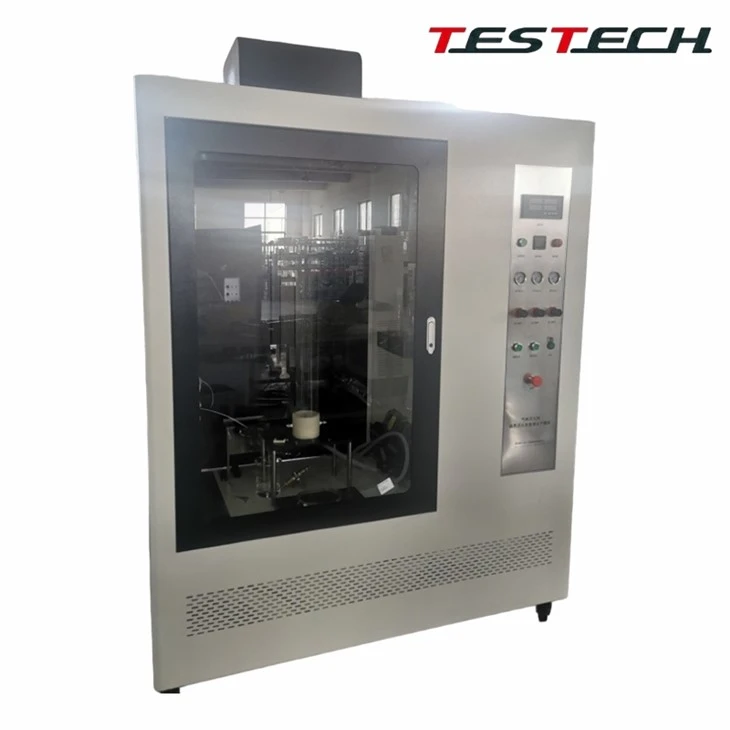
First off, let's talk about the basic components of a Battery Pack Fire Jet Test Machine. Generally, it consists of a combustion chamber, a fuel supply system, a control panel, and various sensors. Ensuring the proper maintenance of each part is crucial for the machine to work accurately and safely.
1. Combustion Chamber Maintenance
The combustion chamber is where all the action happens. It's the place where the battery pack fire jet test takes place. Over time, residue from the combustion process can build up on the walls of the chamber. This residue can affect the accuracy of the test results and even cause corrosion if not cleaned regularly.
To clean the combustion chamber, you should use a non - abrasive cleaner. Abrasive cleaners can scratch the surface of the chamber, which may trap more residue in the future. After cleaning, make sure to dry the chamber thoroughly to prevent rust. It's also a good idea to inspect the chamber for any signs of damage, like cracks or holes. If you find any, it's essential to repair or replace the damaged parts immediately.
2. Fuel Supply System
The fuel supply system is responsible for providing the fuel needed for the fire jet test. This system includes fuel tanks, pumps, and pipes. The fuel tank should be checked regularly for any leaks or contamination. If you notice any signs of leakage, you should address it right away to avoid any safety hazards.
The fuel pumps need to be maintained to ensure a consistent fuel flow. This can be done by cleaning the filters regularly. Clogged filters can reduce the efficiency of the pump and may even cause it to fail. The pipes in the fuel supply system should also be inspected for any signs of wear and tear. Any damaged pipes should be replaced promptly.
3. Control Panel
The control panel is the brain of the Battery Pack Fire Jet Test Machine. It allows you to set the test parameters and monitor the test process. You should keep the control panel clean and free from dust. Dust can cause electrical problems and may damage the circuit boards inside the panel.
Regularly check the buttons and switches on the control panel to make sure they're working properly. If you find any buttons that are sticking or not responding, it's a good idea to have them repaired or replaced. Also, make sure that the software on the control panel is up - to - date. Manufacturers often release software updates to improve the performance and functionality of the machine.
4. Sensor Maintenance
Sensors play a vital role in the Battery Pack Fire Jet Test Machine. They measure various parameters during the test, such as temperature, pressure, and flame intensity. To ensure the accuracy of these measurements, the sensors need to be calibrated regularly. Calibration is the process of adjusting the sensors to provide accurate readings.
The sensors should also be inspected for any damage or signs of malfunction. If a sensor is not working correctly, it can give you inaccurate test results, which can be a big problem. In cases where a sensor is damaged beyond repair, it should be replaced with a new one.
5. Cooling System (if applicable)
Some Battery Pack Fire Jet Test Machines come with a cooling system to prevent overheating. The cooling system usually consists of fans, radiators, and coolant. The fans should be cleaned regularly to remove any dust or debris. A dirty fan can reduce the efficiency of the cooling system and may cause the machine to overheat.
The radiator should also be inspected for any blockages. Blocked radiators can prevent proper heat dissipation, which can lead to damage to the machine. If you're using a coolant, make sure to check the coolant level regularly and refill it if necessary.
6. Safety Features
Safety is always a top priority when it comes to operating a Battery Pack Fire Jet Test Machine. The machine is equipped with various safety features, such as emergency stop buttons, fire extinguishers, and gas ventilation systems. These safety features should be checked regularly to ensure they're working properly.
The emergency stop buttons should be tested periodically to make sure they can shut down the machine immediately in case of an emergency. The fire extinguishers should be inspected for their expiration date and pressure. If an extinguisher is expired or has low pressure, it should be replaced. The gas ventilation system should also be checked to ensure that it can effectively remove any harmful gases generated during the test.
Additional Tips and Resources
If you're looking for more advanced testing solutions, we also offer related products like the 3MW Battery Thermal Release Test System, the 10MW Battery Thermal Release Test System, the 82L Battery Thermal Runaway Gas Evolution Chamber, the 1MW Battery Thermal Release Test System, and the Gas Chromatography Analysis System. These products can complement your Battery Pack Fire Jet Test Machine and provide more comprehensive battery testing capabilities.
Conclusion
Maintaining a Battery Pack Fire Jet Test Machine is not a one - time thing; it's an ongoing process. By following the maintenance requirements I've mentioned above, you can ensure that your machine operates safely and accurately for a long time. If you have any questions about the maintenance of these machines or if you're interested in purchasing one, feel free to reach out. We're here to help you with all your battery testing needs. Whether you're a research institution, a battery manufacturer, or a testing laboratory, we've got the right solutions for you. So, don't hesitate to contact us for more information and to start a procurement discussion.
References
- General knowledge and experience from working as a Battery Pack Fire Jet Test Machine supplier.
- Manufacturer's manuals for Battery Pack Fire Jet Test Machines.