

In the field of material testing, the ability to accurately assess the properties of various materials is crucial. One such important test is the melting materials dripping test, which is used to evaluate the behavior of materials when exposed to high temperatures and potential ignition sources. As a supplier of Melting Materials Dripping Test Machines, I often receive inquiries about whether these machines can be used to test composite materials. In this blog post, I will explore this question in detail, discussing the nature of composite materials, the capabilities of melting materials dripping test machines, and the implications for testing composite materials.
Understanding Composite Materials
Composite materials are engineered materials made from two or more constituent materials with significantly different physical or chemical properties. These constituent materials remain separate and distinct within the finished structure, creating a material with enhanced properties compared to the individual components. Common examples of composite materials include fiberglass, carbon fiber reinforced polymers (CFRP), and wood - plastic composites.
The unique properties of composite materials, such as high strength - to - weight ratio, corrosion resistance, and design flexibility, make them widely used in various industries, including aerospace, automotive, construction, and marine. However, these materials also present challenges when it comes to testing, as their behavior under different conditions can be complex and difficult to predict.
Capabilities of Melting Materials Dripping Test Machines
A melting materials dripping test machine is primarily designed to measure the dripping behavior of materials when they are heated to a certain temperature. The machine typically consists of a heating element, a sample holder, and a collection system to capture any drips from the sample. The test involves heating the sample at a controlled rate until it reaches a specified temperature, and then observing whether the material drips, and if so, the rate and quantity of the drips.
The results of the melting materials dripping test can provide valuable information about the flammability and fire - safety properties of the material. For example, materials that drip easily when heated may pose a higher fire risk, as the drips can spread the fire to other areas. On the other hand, materials that do not drip or drip only minimally may be more fire - resistant.
Testing Composite Materials with Melting Materials Dripping Test Machines
The question of whether a melting materials dripping test machine can test composite materials is not a straightforward one. On one hand, composite materials can be subject to the same basic principles of heating and melting as other materials, so in theory, the test machine could be used to evaluate their dripping behavior.
However, there are several factors that need to be considered. Firstly, the heterogeneous nature of composite materials means that different components may have different melting points and behaviors under heat. For example, in a CFRP, the carbon fibers have a very high melting point, while the polymer matrix may melt at a relatively low temperature. This can lead to complex dripping patterns, where the polymer matrix may drip while the carbon fibers remain intact.
Secondly, the manufacturing process of composite materials can also affect their behavior during the test. For instance, if the composite material has voids or delaminations, these can influence the heat transfer and the way the material melts and drips.
To overcome these challenges, modifications to the testing procedure and the test machine may be required. For example, the heating rate and temperature profile may need to be adjusted to account for the different melting points of the components in the composite material. Additionally, the sample size and shape may need to be carefully selected to ensure that the test results are representative of the actual behavior of the material.
Applications in Different Industries
In the aerospace industry, composite materials are widely used in aircraft structures due to their light weight and high strength. Testing the dripping behavior of these composites is essential for ensuring the fire safety of aircraft. An Aircraft Seat Flammability Test Apparatus is often used in conjunction with the melting materials dripping test to comprehensively evaluate the fire performance of aircraft interior materials.
In the automotive industry, composite materials are increasingly being used to reduce the weight of vehicles and improve fuel efficiency. A melting materials dripping test machine can help manufacturers assess the fire safety of these composite components, ensuring that they meet the relevant safety standards.
In the construction industry, composite materials are used for various applications, such as cladding and structural elements. The ability to test their dripping behavior is important for preventing the spread of fire in buildings. A Flame Spread Tester can be used in combination with the melting materials dripping test to evaluate the overall fire performance of these materials.
Complementary Testing Equipment
While the melting materials dripping test machine can provide valuable information about the dripping behavior of composite materials, it is often necessary to use other testing equipment in conjunction with it to obtain a more comprehensive understanding of the material's fire - safety properties.
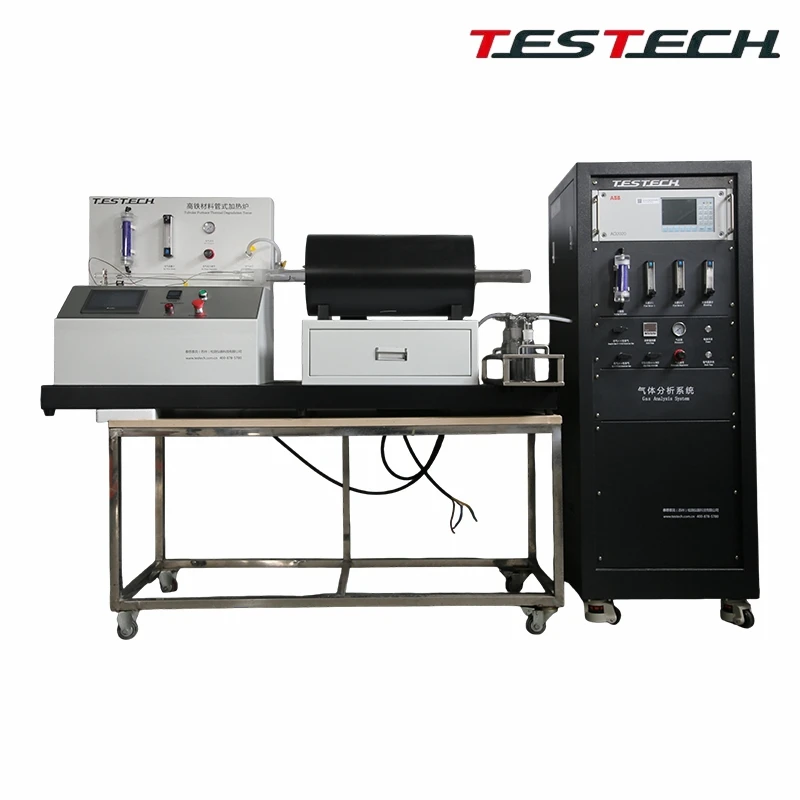

For example, a Realistic - Condition Fire Resistance Tester for Trains can simulate the real - world fire conditions that composite materials may encounter in train interiors. This can help ensure that the materials used in trains meet the strict fire - safety requirements.
An Aviation Vertical Flammability Tester can be used to test the vertical flammability of composite materials used in aircraft, which is another important aspect of fire - safety assessment.
In addition, Ion Chromatography can be used to analyze the chemical composition of the materials and any by - products generated during the melting and dripping process. This can provide insights into the chemical reactions that occur during a fire and help in the development of more fire - resistant materials.
Conclusion
In conclusion, while there are challenges in using a melting materials dripping test machine to test composite materials, it is possible with appropriate modifications to the testing procedure and careful consideration of the unique properties of composite materials. The results of such tests can provide valuable information about the fire - safety properties of composite materials, which is crucial in various industries.
If you are involved in the research, development, or manufacturing of composite materials and are interested in assessing their fire - safety properties, our Melting Materials Dripping Test Machines can be a valuable addition to your testing equipment lineup. We also offer complementary testing solutions, such as the Flame Spread Tester, Realistic - Condition Fire Resistance Tester for Trains, Aircraft Seat Flammability Test Apparatus, Aviation Vertical Flammability Tester, and Ion Chromatography.
Contact us today to discuss your specific testing needs and explore how our products can help you ensure the fire - safety of your composite materials.
References
- [1] "Composite Materials: Design and Applications", Second Edition, by David A. Skowronski and Kevin B. Pankow.
- [2] "Fire Testing of Materials and Products", edited by John G. Quintiere.
- [3] Standards related to fire - safety testing of composite materials, such as ASTM and ISO standards.