

As a prominent supplier of Horizontal Burning Rate Testers, I'm often asked about the software compatibility aspects of our testing equipment. In this blog, I'll delve into the types of software that can work seamlessly with our Horizontal Burning Rate Tester, highlighting how they enhance functionality, accuracy, and efficiency in the flammability testing process.
The Importance of Software in Horizontal Burning Rate Testing
Horizontal Burning Rate Testers are crucial devices used to evaluate the flammability of various materials by measuring the rate at which a flame spreads horizontally across a specimen. Software, in this context, plays an indispensable role. It automates the data collection process, ensuring that accurate and consistent measurements are taken. Additionally, it enables real - time monitoring of the test, providing instant feedback to the operator. The software can also generate detailed reports, which are essential for quality control and regulatory compliance purposes.
Compatible Software for Horizontal Burning Rate Testers
Data Acquisition and Analysis Software
One of the most common types of software used with Horizontal Burning Rate Testers is data acquisition and analysis software. This software is designed to collect data from the sensors within the tester, such as temperature sensors and flame position sensors. The Thermal Radiation Flame Propagation Tester can use similar data acquisition principles.
Data acquisition software allows for precise timing of the flame spread, which is critical in calculating the burning rate accurately. It also helps in recording other relevant parameters, such as the length of the burned area and the time elapsed since ignition. Once the data is collected, the analysis component of the software can perform calculations to determine the horizontal burning rate. This software often comes with built - in algorithms that follow international standards for flammability testing, such as ASTM D635 or ISO 1210.
Control Software
Control software is another essential type of software compatible with Horizontal Burning Rate Testers. This software gives operators the ability to control various aspects of the testing process. For example, it can be used to set the ignition source parameters, such as the duration and intensity of the flame. It can also control the movement of the specimen holder, ensuring that the specimen is placed correctly for the test.
Similar to how the Aviation Vertical Flammability Tester is controlled by software to meet the specific requirements of aviation material testing, our Horizontal Burning Rate Tester's control software allows for customization of test conditions. This is particularly important when testing different types of materials, as each material may require different test settings to obtain accurate results.
Reporting Software
Reporting software is used to generate comprehensive reports based on the test results obtained from the Horizontal Burning Rate Tester. These reports are often required for regulatory compliance, quality control, and research purposes. The reporting software can include features such as the ability to add company logos, test details, and conclusions.
It can also generate graphs and charts to visually represent the burning rate data, making it easier for non - technical personnel to understand the results. Just as the Locomotive Material Combustion Tester relies on detailed reports for locomotive safety and compliance, our Horizontal Burning Rate Tester's reporting software creates professional and informative reports.
Considerations for Software Compatibility
When choosing software for a Horizontal Burning Rate Tester, several factors need to be considered.
Hardware Compatibility
The software must be compatible with the hardware of the tester. This includes ensuring that the software can communicate with the sensors, actuators, and other components of the tester. For example, if the tester uses a specific type of sensor interface, the software must support that interface.
Standard Compliance
The software should comply with relevant international and industry standards for flammability testing. This ensures that the test results are valid and can be used for regulatory purposes. Software that is designed to follow standards such as ASTM, ISO, and UL will provide more reliable and comparable results.
Ease of Use
An easy - to - use software interface is essential for operators. The software should have an intuitive layout, with clear instructions and controls. This reduces the learning curve for new operators and minimizes the risk of errors during the testing process.
Scalability
As the testing requirements of a company may change over time, the software should be scalable. It should be able to handle an increasing number of tests, data points, and report generation requests. This ensures that the investment in the software can be sustained in the long term.
Integration with Other Testing Equipment
Our Horizontal Burning Rate Tester can also be integrated with other testing equipment through compatible software. For example, it can be integrated with a Gas Analysis System. By integrating the data from the Horizontal Burning Rate Tester with the gas analysis results, a more comprehensive understanding of the material's flammability can be obtained.

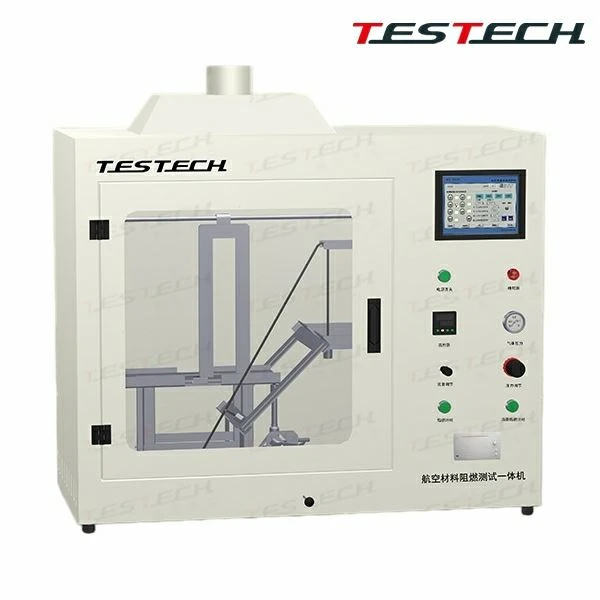
The software can also be integrated with a Cleveland Open Cup Auto Flash Point Analyser. This allows for a more comprehensive flammability assessment of the material, as the flash point is another important parameter in determining a material's fire - related properties.
Conclusion
In conclusion, the compatibility of software with our Horizontal Burning Rate Tester is a critical aspect of the flammability testing process. Data acquisition and analysis software, control software, and reporting software all play important roles in enhancing the functionality and accuracy of the tester. When choosing software, factors such as hardware compatibility, standard compliance, ease of use, and scalability should be considered.
Moreover, the ability to integrate the Horizontal Burning Rate Tester with other testing equipment through software provides a more comprehensive approach to material flammability testing. If you are interested in our Horizontal Burning Rate Tester and want to learn more about the compatible software or have any procurement - related questions, feel free to reach out to us for a detailed discussion. We are committed to providing you with the best solutions for your flammability testing needs.
References
- ASTM International. ASTM D635 - Standard Test Method for Rate of Burning and/or Extent and Time of Burning of Self - Supporting Plastics in a Horizontal Position.
- International Organization for Standardization. ISO 1210 - Plastics - Determination of Flammability of Horizontal and Vertical Specimens in Contact with a Small Flames.
- Underwriters Laboratories. UL Standards for various flammability test methods.