

Hey there! As a provider of universal fire testers, I've seen firsthand how crucial it is to ensure the authenticity of the certification for these important devices. Universal fire testers are used in a wide range of industries to test the fire resistance and safety of materials, and having a reliable certification is essential for both manufacturers and end - users. So, let's dive into how you can verify the authenticity of a universal fire tester's certification.
Understanding the Importance of Certification
First off, let's talk about why certification matters. A certified universal fire tester gives you the confidence that the device meets certain industry standards. It's kind of like a stamp of approval that says, "Hey, this tester can accurately measure what it's supposed to measure." For instance, if you're a manufacturer using a fire tester to check the flammability of your products, an uncertified tester could give you inaccurate results, which might lead to safety issues down the line.
Types of Certifications
There are different types of certifications for universal fire testers. Some common ones are related to international standards like ISO (International Organization for Standardization) or regional standards. Each standard has specific requirements for the design, performance, and accuracy of the fire tester.
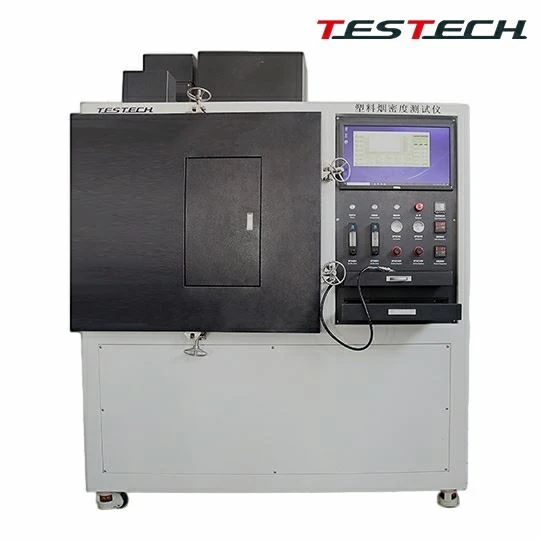
For example, if a tester is certified for measuring smoke density, it will adhere to strict guidelines about how to measure the amount of smoke produced during a fire scenario. You can find more about smoke density measuring with a Smoke Density Chamber, which is a specialized type of universal fire tester.
Research the Certifying Body
One of the first steps in verifying certification is to research the certifying body. Legitimate certifying organizations are well - known in the industry and have a good reputation. You can check if the certifying body is recognized by international or national regulatory agencies.
A reliable certifying body will have a clear process for certification. They'll conduct rigorous testing of the universal fire tester, including performance evaluations, accuracy checks, and durability tests. If the certifying body is not well - known or has a history of lenient certification practices, it's a red flag.
Check the Certification Details
Once you've verified the certifying body, it's time to look at the certification details. The certificate should have the name and model of the universal fire tester, the date of certification, and the expiration date (if applicable). It should also clearly state which standards the tester meets.
For example, if you're looking at a certificate for an Elevated - temperature Oxygen Index Tester, it should specify the oxygen index range it can measure accurately at elevated temperatures and the relevant ISO or other standard it complies with.
Physical Inspection of the Tester
Sometimes, you can also do a physical inspection of the universal fire tester. A certified tester will often have markings or labels indicating its certification. Look for seals or emblems from the certifying body on the device itself.
In addition, the build quality of the tester can be a clue. A high - quality certified tester will usually be well - constructed, with precision engineering. If the tester looks shoddy or has loose parts, it might not be a genuine certified product.
Contact the Manufacturer
If you're still unsure about the authenticity of the certification, you can contact the manufacturer. As a universal fire tester supplier, I can tell you that a legitimate manufacturer will be happy to provide you with more information about the certification process. They can give you details about the testing procedures, the results of the tests, and can even put you in touch with the certifying body if needed.
Online Verification Tools
Many certifying bodies have online verification tools. You can enter the certification number on their official website, and it will tell you if the certification is valid. This is a quick and easy way to double - check the authenticity of the certificate.
Cross - Check with Industry Peers
Another great way is to cross - check with industry peers. Talk to other manufacturers or users of universal fire testers. They might have had experiences with the same tester or certifying body. Their insights can be really valuable in determining whether a certification is genuine.
Look at the Flue Gas Treatment
Some universal fire testers, like those used in more complex fire testing scenarios, come with a Flue Gas Treatment Unit. The certification of this unit is also important. A certified flue gas treatment unit ensures that the tester can handle the by - products of the fire tests safely and in an environmentally friendly way. Check if the unit has its own certification details and follow the same verification process as for the main tester.
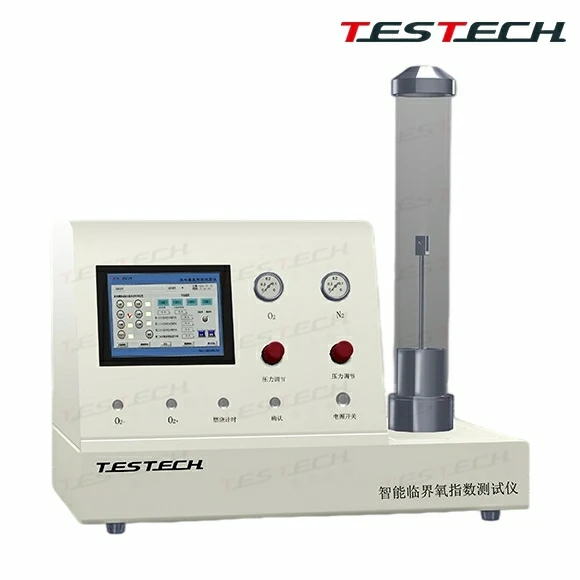
Consider Limited Oxygen Index Testing
The Limited Oxygen Index Tester is another common type of universal fire tester. When verifying its certification, pay close attention to the accuracy of the oxygen index measurement. The certification should indicate the precision of the measurement and the compliance with relevant standards. If the tester is used in industries where fire safety is of utmost importance, like aerospace or construction, having a verified and accurate certification is non - negotiable.
Conclusion
Verifying the authenticity of a universal fire tester's certification is not just a formality; it's a crucial step to ensure the safety and reliability of your fire testing processes. By following the steps we've discussed, like researching the certifying body, checking the certification details, doing a physical inspection, and using online verification tools, you can be confident that you're using a high - quality, certified universal fire tester.
If you're in the market for a universal fire tester and want to make sure you're getting a product with a genuine certification, don't hesitate to reach out. We're here to provide you with all the information you need and to help you select the right tester for your specific needs. Contact us for more details and let's start a great purchasing negotiation together!
References
- International Organization for Standardization (ISO) standards related to fire testing.
- Industry - specific guidelines for the use of universal fire testers.