

What is the influence of air pressure on the test results of the Horizontal Burning Rate Tester?
As a supplier of Horizontal Burning Rate Testers, I've witnessed firsthand the critical role that environmental factors play in the accuracy of test results. Among these factors, air pressure is often overlooked but can have a significant impact on the performance of the tester and the reliability of the data it generates. In this blog post, I'll delve into the science behind the influence of air pressure on the Horizontal Burning Rate Tester and explore how it can affect your testing processes.
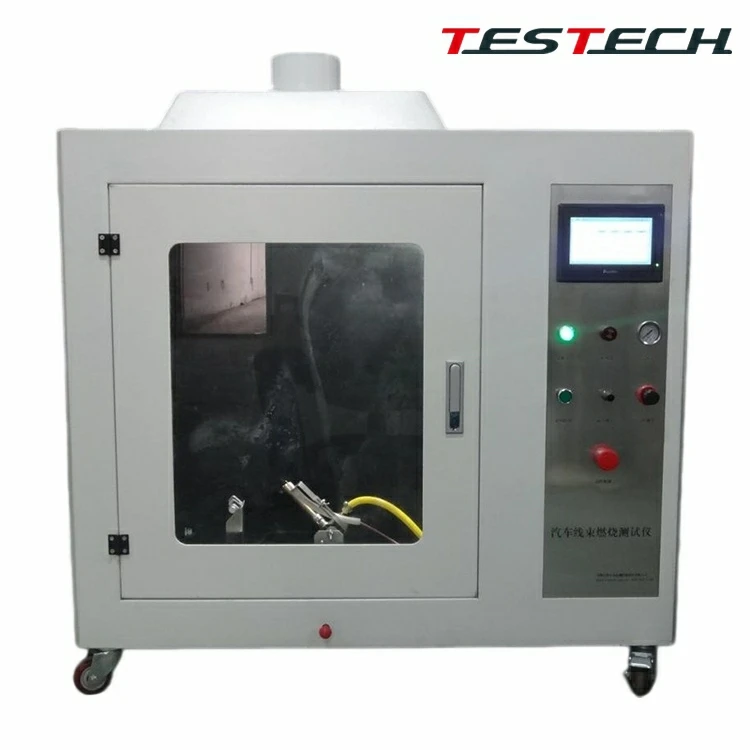
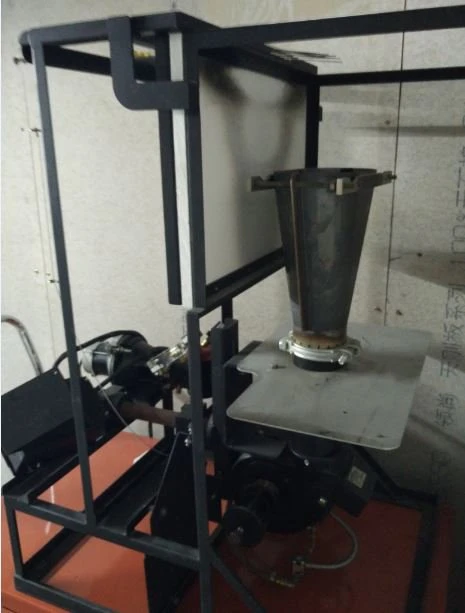
Understanding the Horizontal Burning Rate Tester
Before we discuss the impact of air pressure, it's essential to understand how the Horizontal Burning Rate Tester works. This device is designed to measure the rate at which a material burns horizontally under specific conditions. It typically consists of a test chamber, a burner, and a sample holder. The sample is placed horizontally in the holder, and a flame is applied to one end. The time it takes for the flame to travel a specified distance is measured, and the burning rate is calculated.
The results of these tests are crucial for a variety of industries, including automotive, aerospace, and construction. They help manufacturers ensure that their materials meet safety standards and regulations, and they can also be used to develop new materials with improved fire resistance.
The Role of Air Pressure in Combustion
Air pressure plays a vital role in the combustion process. Combustion is a chemical reaction that occurs when a fuel (such as the material being tested) reacts with oxygen in the presence of heat. The rate of this reaction is influenced by several factors, including the concentration of oxygen, the temperature, and the air pressure.
At higher air pressures, the density of the air increases, which means there are more oxygen molecules available per unit volume. This can lead to a more rapid and intense combustion process, as the fuel has more oxygen to react with. Conversely, at lower air pressures, the density of the air decreases, and there are fewer oxygen molecules available. This can result in a slower and less intense combustion process.
How Air Pressure Affects the Horizontal Burning Rate Tester
The influence of air pressure on the Horizontal Burning Rate Tester can be significant. When the air pressure is higher, the increased oxygen availability can cause the material to burn more quickly. This can lead to higher measured burning rates than would be observed at lower air pressures. Conversely, at lower air pressures, the reduced oxygen availability can cause the material to burn more slowly, resulting in lower measured burning rates.
For example, let's say you're testing a sample of a plastic material using a Horizontal Burning Rate Tester at sea level, where the air pressure is approximately 1 atmosphere (atm). The measured burning rate is 50 millimeters per minute. If you were to repeat the same test at a higher altitude, where the air pressure is lower, say 0.8 atm, the material might burn more slowly, and the measured burning rate could drop to 40 millimeters per minute.
This variation in burning rates due to air pressure can have serious implications for the accuracy of your test results. If you're comparing the fire performance of different materials or evaluating whether a material meets a specific safety standard, it's essential to take air pressure into account. Otherwise, you could end up with misleading results that could compromise the safety of your products or applications.
Controlling for Air Pressure in Testing
To ensure the accuracy and reliability of your test results, it's important to control for air pressure when using a Horizontal Burning Rate Tester. There are several ways to do this:
- Calibration: Regularly calibrate your tester using reference materials with known burning rates at different air pressures. This will help you establish a baseline for accurate measurements and account for any variations due to air pressure.
- Environmental Control: Conduct your tests in a controlled environment where the air pressure can be monitored and adjusted as needed. This could involve using a test chamber with a built-in air pressure control system or conducting tests in a laboratory with a stable air pressure.
- Data Correction: If you're unable to control the air pressure during testing, you can correct your data post-test using a mathematical formula that takes into account the difference in air pressure between the test conditions and the standard conditions.
Other Factors to Consider
While air pressure is an important factor to consider when using a Horizontal Burning Rate Tester, it's not the only one. Other environmental factors, such as temperature, humidity, and air flow, can also affect the combustion process and the accuracy of your test results.
- Temperature: Higher temperatures can increase the rate of combustion, while lower temperatures can slow it down. It's important to maintain a consistent temperature during testing to ensure accurate results.
- Humidity: High humidity can reduce the oxygen availability and slow down the combustion process. Conversely, low humidity can increase the flammability of some materials.
- Air Flow: Air flow can affect the distribution of oxygen around the sample and the direction of the flame. It's important to minimize air flow in the test chamber to ensure consistent and repeatable results.
Related Products and Applications
In addition to the Horizontal Burning Rate Tester, our company offers a range of other products for testing the flammability of materials. These include:
- Ion Chromatography: This technique can be used to analyze the chemical composition of materials and identify any potential fire hazards.
- Locomotive Material Combustion Tester: Designed specifically for testing the fire performance of materials used in locomotives, this tester can help ensure the safety of railway transportation.
- Aircraft Fire Penetration Tester: This tester is used to evaluate the ability of aircraft materials to withstand fire and prevent its spread.
- Automotive Wire Harness Flammability Tester: With the increasing complexity of automotive electrical systems, it's essential to test the flammability of wire harnesses to prevent electrical fires.
- TAG Closed Cup Auto Flash Point Analyzer: This analyzer is used to determine the flash point of flammable liquids, which is an important safety parameter.
Conclusion
In conclusion, air pressure can have a significant influence on the test results of the Horizontal Burning Rate Tester. Understanding this relationship is crucial for ensuring the accuracy and reliability of your testing processes and for making informed decisions about the fire performance of materials. By controlling for air pressure and other environmental factors, you can obtain more consistent and accurate results that will help you meet safety standards and regulations.
If you're in the market for a Horizontal Burning Rate Tester or any of our other flammability testing products, we encourage you to contact us for more information. Our team of experts is available to answer your questions and help you find the right solution for your needs.
References
- ASTM D635 - Standard Test Method for Rate of Burning and/or Extent and Time of Burning of Self - Supporting Plastics in a Horizontal Position.
- ISO 1210 - Plastics - Determination of the burning behaviour of horizontal and vertical specimens in contact with a small - flame ignition source.