

In the aerospace industry, ensuring the safety and reliability of aircraft materials is of utmost importance. One crucial aspect of this is understanding the heat release rate of these materials. A heat release rate tester plays a pivotal role in evaluating how quickly a material releases heat when exposed to fire or high - temperature conditions. In recent years, there have been several notable developments in Aircraft Material Heat Release Rate Tester technology that are reshaping the way we assess materials for aviation applications.
Advancements in Sensor Technology
One of the most significant developments in Aircraft Material Heat Release Rate Tester technology is the improvement in sensor technology. Early heat release rate testers relied on relatively basic sensors, which had limited accuracy and data - collection capabilities. Modern testers are now equipped with high - sensitivity sensors that can detect even the slightest changes in heat transfer and combustion parameters.
These advanced sensors can provide real - time data on heat release rate, mass loss, and gas production. For example, infrared sensors are now widely used to measure the radiative heat transfer from the burning material. They offer high precision and fast response times, allowing for more accurate and detailed analysis of the material's combustion behavior. Additionally, the integration of microelectromechanical systems (MEMS) sensors has made it possible to miniaturize the testing equipment without sacrificing performance. These sensors are also more resistant to environmental factors, which means more reliable test results in different laboratory conditions.
Enhanced Data Acquisition and Analysis
The latest Aircraft Material Heat Release Rate Testers come with advanced data acquisition and analysis software. Previously, data collection was a manual and time - consuming process, and analysis often involved complex spreadsheets and manual calculations. Now, testers are connected to powerful software that can automatically collect, process, and analyze data.
This software can generate detailed reports and graphs, which makes it easier for engineers and researchers to understand the test results. For instance, it can plot the heat release rate curve over time, allowing them to identify the peak heat release rate and the duration of high - heat release periods. Some software also offers predictive analytics capabilities, which can forecast how a material will behave in different fire scenarios based on the test data.
Moreover, with the development of cloud - based technology, data can be stored and shared remotely. This is particularly useful for large aerospace companies that have multiple testing facilities around the world. Engineers can access the test data from anywhere, collaborate in real - time, and make more informed decisions about material selection and design.
Simulation and Modeling Integration
Another key development in Aircraft Material Heat Release Rate Tester technology is the integration of simulation and modeling tools. In the past, the understanding of how materials would behave in an actual aircraft fire was largely based on physical testing alone. However, physical testing is expensive, time - consuming, and has limitations in terms of the scenarios that can be tested.
Now, heat release rate testers can be integrated with computational fluid dynamics (CFD) and fire modeling software. These tools can simulate the complex interactions between the burning material, the surrounding air, and the aircraft structure. By inputting the data from the heat release rate tester, such as the heat release rate and gas production rates, into the simulation models, engineers can predict the spread of fire and smoke in an aircraft cabin or other aerospace environments.
This integration of physical testing and simulation allows for a more comprehensive assessment of aircraft materials. Engineers can explore different design and material options in a virtual environment before conducting physical tests, which can save a significant amount of time and resources.
Standardization and Regulatory Compliance
With the increasing focus on aircraft safety, there has been a push for standardization and regulatory compliance in the field of heat release rate testing. International standards organizations, such as the Federal Aviation Administration (FAA) in the United States and the European Union Aviation Safety Agency (EASA), have set strict requirements for the heat release rate of aircraft materials.
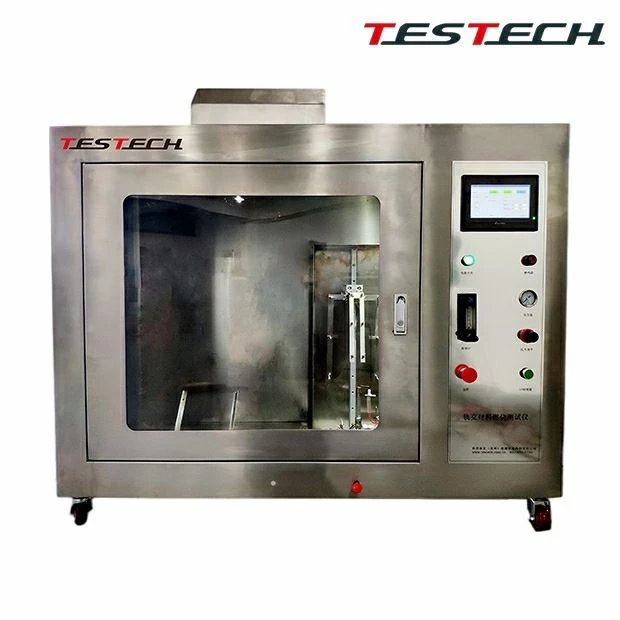
The latest Aircraft Material Heat Release Rate Testers are designed to meet these regulatory standards. They incorporate features that ensure accurate and reproducible test results, which are essential for compliance. For example, they have precise control over test parameters such as temperature, airflow, and ignition source, which are specified in the standards.
In addition, manufacturers of these testers are working closely with regulatory bodies to develop new testing methods and equipment that can keep up with the evolving safety requirements. This collaboration ensures that the technology is not only advanced but also in line with the industry - wide safety goals.
Integration with Other Testing Equipment
Aircraft Material Heat Release Rate Testers are now being integrated with other types of testing equipment to provide a more comprehensive assessment of materials. For example, they can be combined with Ion Chromatography systems to analyze the chemical composition of the gases produced during combustion. This can help identify potentially harmful substances and understand the chemical reactions taking place during a fire.
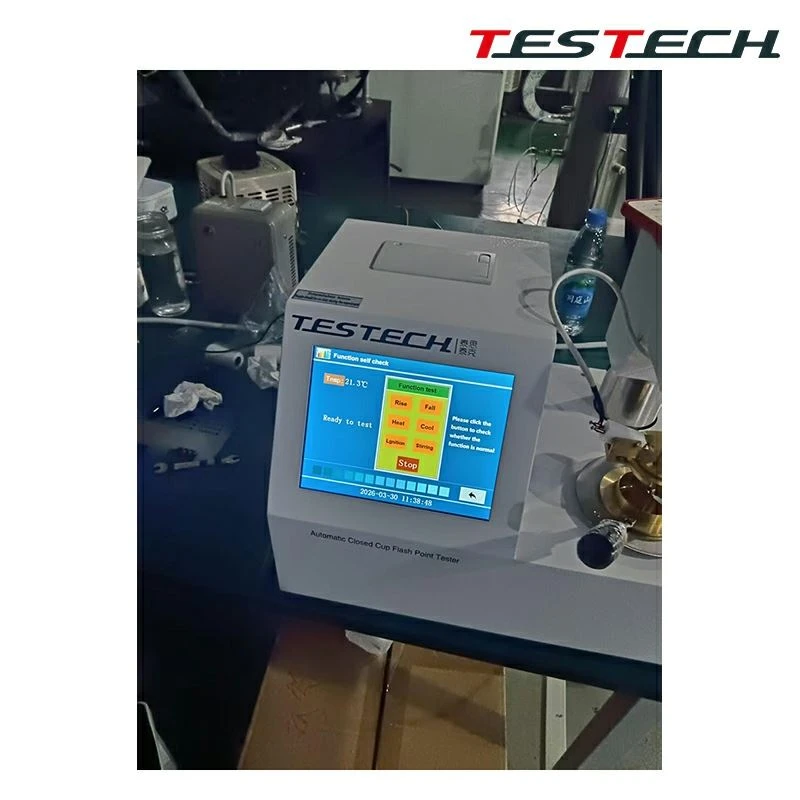
Furthermore, integration with Cleveland Open Cup Auto Flash Point Analyser can provide information about the flash point of the material, which is an important flammability parameter. Similar synergies can be achieved by integrating with Rail Transit Material Combustion Tester, TAG Closed Cup Auto Flash Point Analyzer, and Horizontal Burning Rate Tester. This multi - faceted approach gives a more complete picture of the material's fire - related properties.
Future Trends
Looking ahead, we can expect further developments in Aircraft Material Heat Release Rate Tester technology. One potential trend is the use of artificial intelligence (AI) and machine learning algorithms. These technologies can be used to analyze large amounts of test data and identify patterns that may not be obvious to human analysts. For example, AI can predict the heat release rate of new materials based on their chemical composition and structure.
Another area of future development is the improvement of in - situ testing capabilities. Currently, most heat release rate testing is done in a laboratory setting, which may not fully represent the real - world conditions in an aircraft. In - situ testing would allow for more accurate assessment of materials during actual flight or in aircraft maintenance scenarios.
Additionally, there will likely be a continued emphasis on making the testing equipment more user - friendly and cost - effective. This will make it more accessible to smaller aerospace companies and research institutions, promoting innovation in materials and safety.
Conclusion
In conclusion, the latest developments in Aircraft Material Heat Release Rate Tester technology have significantly advanced the way we evaluate aircraft materials for fire safety. From improved sensor technology and data analysis to simulation integration and regulatory compliance, these advancements are crucial for ensuring the safety of modern aircraft. As a leading supplier of Aircraft Material Heat Release Rate Tester, we are committed to staying at the forefront of these technological developments and providing our customers with the most advanced and reliable testing solutions.
If you are in the aerospace industry and are looking for high - quality Aircraft Material Heat Release Rate Testers or want to discuss your specific testing requirements, we welcome you to contact us for procurement and further discussions. Our team of experts is ready to assist you in finding the best testing solutions for your needs.
References
- ASTM International. (Year). Standard test methods related to heat release rate of materials.
- Federal Aviation Administration (FAA). (Year). Aircraft fire safety regulations and guidelines.
- European Union Aviation Safety Agency (EASA). (Year). Safety requirements for aircraft materials.