

As a supplier of Aircraft Fire Penetration Testers, I've seen firsthand the importance of quality control in this high - stakes industry. Ensuring that our testers meet the highest standards is not just about compliance; it's about safeguarding lives and property. In this blog, I'll walk you through the key quality control measures we implement for our Aircraft Fire Penetration Testers.
Design and Engineering Review
The quality control process for our testers starts right at the design stage. Our team of experienced engineers conducts in - depth reviews of the design plans. We analyze every component, from the heating elements to the sensors, to ensure they are fit for purpose. We use advanced simulation software to model how the tester will perform under different fire scenarios. This helps us identify any potential weak points in the design before we start manufacturing.
For instance, we simulate the heat distribution within the testing chamber to make sure that the temperature is uniform across the test specimen. If there are areas where the temperature is too high or too low, it could affect the accuracy of the test results. By catching these issues early, we can make the necessary adjustments to the design to ensure optimal performance.
Component Selection and Inspection
The quality of the components used in our Aircraft Fire Penetration Testers is crucial. We only source components from trusted suppliers who have a proven track record of providing high - quality materials. Before we use any component in our testers, it undergoes a rigorous inspection process.
We check the electrical components for proper insulation and functionality. For example, the sensors that measure temperature and pressure need to be accurate and reliable. We also inspect the mechanical components, such as valves and pumps, for any signs of wear or damage. If a component fails the inspection, it is immediately rejected, and we work with the supplier to find a suitable replacement.
Some of our related products for flammability testing include the Adhesive Tape Vertical Flammability Tester, Melting Materials Dripping Test Machine, Electrical Burner Test Machine, Locomotive Material Combustion Tester, and Aircraft Material Heat Release Rate Tester. These products also follow strict quality control procedures for component selection and inspection.
Manufacturing Process Monitoring
During the manufacturing process, we have strict monitoring in place. Each step of the assembly is carefully documented, and any deviations from the standard operating procedures are immediately addressed. Our production line workers are well - trained and follow a detailed checklist for each task.
We use quality control tools such as statistical process control (SPC) to monitor the manufacturing process. SPC allows us to track key variables, such as the dimensions of the components and the settings of the manufacturing equipment. If the values of these variables fall outside the acceptable range, we can take corrective action before the final product is completed.
For example, when welding the metal parts of the tester, we monitor the welding parameters, such as the current, voltage, and welding speed. If these parameters deviate from the optimal values, it could result in a weak weld, which could compromise the integrity of the tester. By using SPC, we can catch these issues early and ensure that the welds are of high quality.
Calibration and Testing
Once the Aircraft Fire Penetration Tester is assembled, it undergoes a series of calibration and testing procedures. Calibration is essential to ensure that the tester reads accurately and provides reliable results. We use certified calibration equipment to calibrate the sensors, temperature controllers, and other measuring devices in the tester.
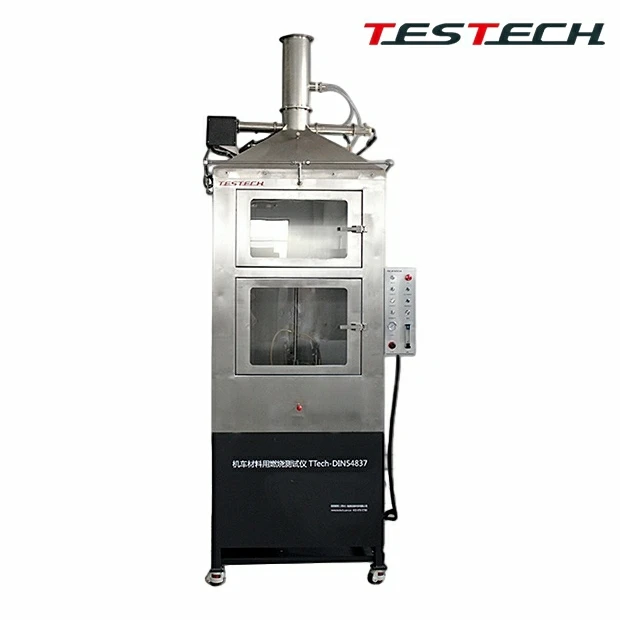

The testing phase is comprehensive. We conduct both functional tests and performance tests. Functional tests check if all the components of the tester are working properly. For example, we test if the heating elements can reach the required temperature, and if the sensors can accurately measure the temperature and pressure.
Performance tests, on the other hand, evaluate the tester's ability to accurately simulate fire conditions and measure the fire penetration of aircraft materials. We use standard test specimens with known fire - resistance properties to validate the tester's performance. The test results are compared against the established standards, and if the tester does not meet the requirements, it undergoes further adjustments and retesting.
Final Inspection and Documentation
Before the Aircraft Fire Penetration Tester leaves our factory, it goes through a final inspection. A team of quality control experts reviews all the test results and the manufacturing documentation to ensure that everything is in order. They also conduct a visual inspection of the tester to check for any cosmetic defects or loose parts.
We provide detailed documentation for each tester, including the calibration certificates, test reports, and user manuals. This documentation not only serves as a record of the tester's quality but also helps our customers operate and maintain the tester properly.
Quality Control after Sales
Our commitment to quality doesn't end when the tester is delivered to the customer. We offer after - sales support, including regular maintenance and calibration services. We also provide training to our customers' staff on how to use the tester correctly and safely.
If a customer has any issues with the tester, our technical support team is available to provide assistance. We have a feedback system in place, where customers can share their experiences and suggestions for improvement. This feedback helps us continuously improve our products and quality control processes.
In conclusion, quality control for our Aircraft Fire Penetration Testers is a multi - step process that involves every aspect of the product lifecycle, from design to after - sales support. By implementing these strict quality control measures, we can ensure that our testers provide accurate and reliable results, which are essential for ensuring the fire safety of aircraft.
If you're in the market for an Aircraft Fire Penetration Tester or any of our related flammability testing products, don't hesitate to reach out to us for more information and to discuss your purchasing needs. We're here to help you find the best solution for your fire - testing requirements.
References
- International Civil Aviation Organization (ICAO) standards for aircraft fire safety
- ASTM International standards for fire testing of materials
- Relevant industry reports on the importance of quality control in fire - testing equipment