

Hey there! As a supplier of Aircraft Seat Flammability Test Apparatus, I'm super excited to chat with you about how these cool machines measure heat flux during combustion. This is a crucial part in ensuring the safety of aircraft seats, and I'm gonna break it down for you in a way that's easy to understand.
First off, let's talk about why measuring heat flux is such a big deal. When an aircraft seat catches fire, the heat it gives off can spread the fire quickly and cause a whole lot of damage. By measuring the heat flux, we can figure out how fast the fire will spread and how intense it'll be. This helps aircraft manufacturers design seats that meet strict safety standards and keep passengers safe.
So, how does the Aircraft Seat Flammability Test Apparatus actually measure heat flux? Well, it uses a combination of sensors and advanced technology. One of the key components is a heat flux sensor. This little guy is designed to detect the amount of heat passing through a specific area. It's usually made up of a thin layer of material that changes its electrical resistance when heated. As heat passes through the sensor, the change in resistance is measured and converted into a heat flux value.
The sensor is placed close to the aircraft seat sample during the test. When the ignition source is applied to the seat, the fire starts to burn, and the heat flux sensor immediately starts picking up the heat. The data is then sent to a control unit, which processes the information and displays the heat flux readings in real-time.
Now, let's talk about the different types of heat flux sensors used in these apparatuses. There are a few common ones, like the Gardon gauge and the Schmidt-Boelter gauge. The Gardon gauge is a circular sensor that measures the heat flux over a relatively large area. It's quite accurate and is often used in research and development settings. On the other hand, the Schmidt-Boelter gauge is a more compact sensor that can provide very fast response times. It's great for applications where quick measurements are needed.
In addition to the heat flux sensor, the Aircraft Seat Flammability Test Apparatus also has other features to ensure accurate measurements. For example, it's equipped with a ventilation system to control the airflow around the seat sample. This helps to create a more realistic testing environment and ensures that the heat flux measurements are consistent.
Another important aspect is the calibration of the apparatus. Before each test, the heat flux sensor and other components need to be calibrated to ensure accurate readings. This involves comparing the readings of the sensor with a known standard and making any necessary adjustments. Calibration is a critical step in ensuring the reliability of the test results.
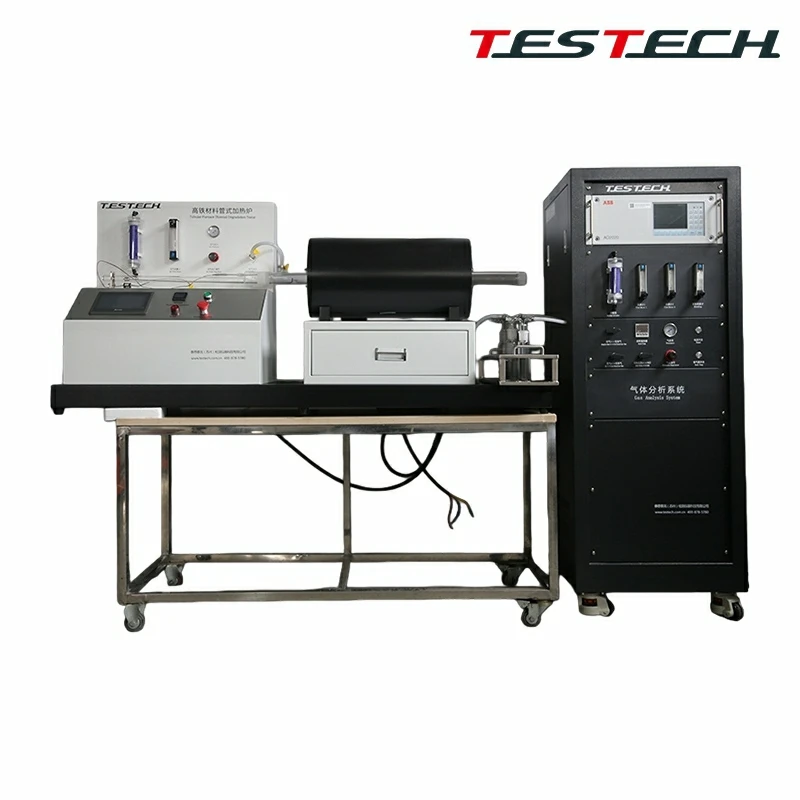
Now, let's take a look at some of the related products we offer as a supplier. We have a range of other flammability testing equipment that can complement the Aircraft Seat Flammability Test Apparatus. For example, our Tube Furnace Decomposition Systems are great for analyzing the decomposition products of materials during combustion. They can help researchers understand the chemical reactions that occur and how they contribute to the spread of fire.

Our Melting Materials Dripping Test Machine is designed to test whether materials drip when they melt during a fire. Dripping materials can be a major hazard as they can spread the fire to other areas. This machine helps to determine whether aircraft seat materials meet the safety requirements regarding dripping.
The Electrical Burner Test Machine is used to simulate electrical fires. It can test how aircraft seat materials react to an electrical ignition source and measure the heat flux and other parameters during the test.
We also offer Ion Chromatography equipment, which can be used to analyze the chemical composition of the combustion products. This can provide valuable information about the toxicity and environmental impact of the materials.
And last but not least, our Thermal Radiation Flame Propagation Tester is designed to measure the flame propagation rate under thermal radiation. This is important for understanding how a fire can spread in an aircraft cabin environment.
If you're in the market for an Aircraft Seat Flammability Test Apparatus or any of our other flammability testing equipment, we'd love to hear from you. We're committed to providing high-quality products and excellent customer service. Whether you're an aircraft manufacturer, a research institution, or a testing laboratory, we can help you find the right equipment for your needs. Contact us for more information and let's start a conversation about how we can meet your testing requirements.
References
- ASTM International. Standard Test Methods for Fire Tests of Aircraft Seat Cushions.
- FAA Advisory Circulars related to aircraft seat flammability testing.
- Various research papers on aircraft seat safety and flammability testing.