

Cleaning your Steiner Horizental Tunnel Furnace Apparatus regularly is crucial to keep it working at its best. As a supplier of this apparatus, I've seen firsthand how a well - maintained furnace can last longer and provide more accurate results. In this blog, I'll share some tips on how to clean your Steiner Horizental Tunnel Furnace Apparatus properly.
Preparation
Before you start cleaning, make sure the furnace is completely cooled down. Working on a hot furnace can be dangerous, and it might also cause damage to the cleaning tools or the furnace itself. Gather all the cleaning supplies you'll need. This usually includes a soft - bristle brush, a vacuum cleaner with a narrow nozzle attachment, mild detergent, and a clean, lint - free cloth. You should also wear appropriate personal protective equipment (PPE), like gloves and safety glasses.
External Cleaning
Let's start with the outside of the furnace. Use the soft - bristle brush to gently remove any loose dust or debris from the surface. If there are stubborn stains, mix a small amount of mild detergent with water. Dip the lint - free cloth into the soapy water, wring it out well so it's only slightly damp, and then carefully wipe the stains. Avoid getting excessive water into the control panels or ventilation openings. After cleaning, dry the external surface with another clean cloth to prevent water spots and rust.
Internal Cleaning
The inside of the furnace is where most of the action happens, and it's also where dirt and residue tend to accumulate. First, use the vacuum cleaner with the narrow nozzle to remove any large particles, like ash or debris from the insulation. Make sure to reach all the corners and crevices inside the tunnel.
Next, you can use a more targeted approach for any stubborn deposits. Some types of residues can be removed with a mixture of baking soda and water. Apply this paste to the dirty areas with a small brush and let it sit for a few minutes. Then, use a damp cloth to wipe it away. For really tough stains, you might need a specialized furnace cleaner. But be sure to read the product instructions carefully before using it, as some cleaners can be harsh and might damage the furnace if not used correctly.
Cleaning the Burner and Fuel System
The burner and fuel system are critical parts of the furnace. If they're clogged or dirty, it can affect the furnace's performance. Start by turning off the fuel supply. For the burner, use a small brush to clean the burner ports. This will help ensure proper fuel flow and combustion.
If your furnace has a fuel filter, check it according to the manufacturer's recommendations. A dirty filter can restrict fuel flow and cause problems. If the filter is dirty, replace it with a new one. When working on the fuel system, be extra careful because fuel is flammable. If you're not confident in your abilities, it's best to call a professional.

Cleaning the Exhaust System
The exhaust system is responsible for removing the by - products of combustion from the furnace. Over time, it can get clogged with soot and other debris. Use the vacuum cleaner to remove any loose particles from the exhaust pipes and vents. You can also use a brush to clean the interior of the pipes. Make sure the exhaust path is clear, as a blocked exhaust can lead to poor performance and even safety hazards.
Calibration and Inspection After Cleaning
Once you've finished cleaning the furnace, it's a good idea to perform a calibration and inspection. Check all the controls and settings to make sure they're still accurate. Look for any signs of damage, such as loose wires or cracked insulation. If you notice any issues, it's important to address them before using the furnace again.
Comparison with Other Flammability Testing Equipment
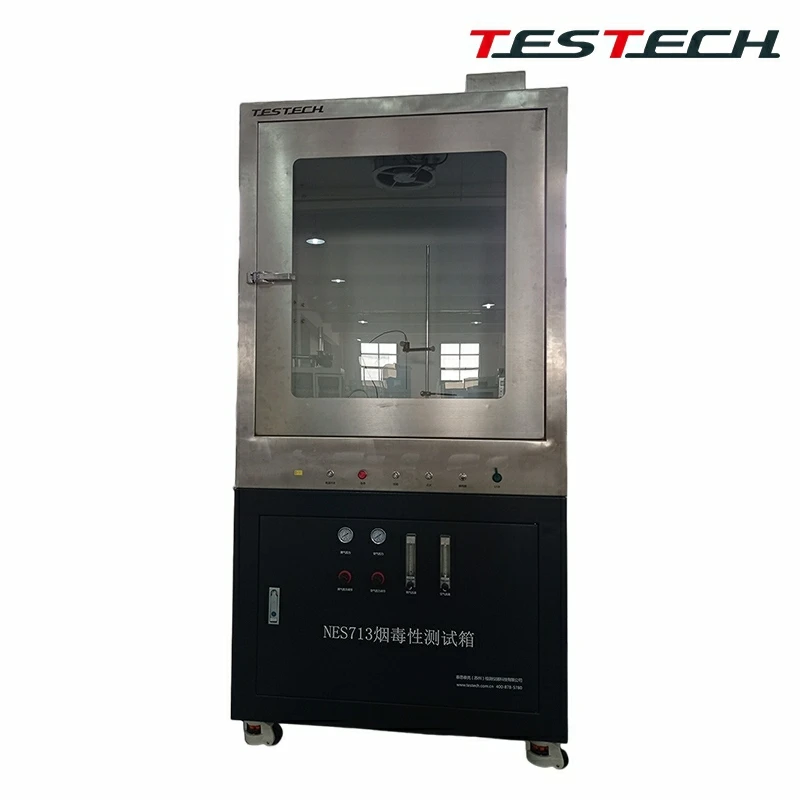
The Steiner Horizental Tunnel Furnace Apparatus is just one of the many types of equipment used for flammability testing. For example, the Naval Engineering Standard 713 Toxic Chamber is used to test the toxicity of materials during a fire. While the cleaning process for the toxic chamber is different from the furnace, regular maintenance is also essential.
The Vertical Shaft and Duct Fire Test Apparatus is designed to simulate fire conditions in vertical shafts and ducts. It has its own unique cleaning requirements, mainly focusing on removing soot and debris from the vertical channels.
The Microcalorimeter measures the heat release of materials. Keeping it clean is vital for accurate readings. Cleaning often involves removing any residue from the sample holder and the measuring chamber.
And the Horizontal Vertical Specimen Flame Tester needs to be cleaned to ensure consistent flame exposure during testing. This usually includes cleaning the burner and the specimen holders.
Importance of Regular Cleaning
Regular cleaning is not just about keeping the furnace looking good. It has a big impact on the performance and lifespan of the equipment. A clean furnace burns fuel more efficiently, which can save you money on energy costs. It also reduces the risk of malfunctions and breakdowns, which can be costly and time - consuming to fix.
Moreover, in a testing environment, accurate results are essential. A dirty furnace can give misleading results, which can have serious consequences, especially in industries where fire safety is a top priority.
Contact for Purchase and Consultation
If you're in the market for a new Steiner Horizental Tunnel Furnace Apparatus or any of the other flammability testing equipment I mentioned, don't hesitate to reach out. I'm here to help you choose the right equipment for your needs and provide you with all the information you need. Whether you have questions about the cleaning process, the operation of the equipment, or need help with installation, I can assist you.
References
- Manufacturer's manual of Steiner Horizental Tunnel Furnace Apparatus.
- Industry best practices for flammability testing equipment maintenance.