

Hey there! As a supplier of Aviation Vertical Flammability Testers, I often get asked about how these nifty machines hold up in high - humidity environments. Well, let's dive right into it and explore the ins and outs of this situation.
First off, let's understand what an Aviation Vertical Flammability Tester does. It's a crucial piece of equipment used to assess the flammability of materials used in aircraft. These materials need to meet strict safety standards to ensure the well - being of passengers and crew. The tester exposes samples to a flame under specific conditions and measures how quickly the flame spreads, if at all.
Now, high - humidity environments can throw a bit of a curveball. Humidity refers to the amount of water vapor in the air. When the air is humid, it's like having tiny water droplets floating around everywhere. And these water droplets can have a significant impact on the testing process.
One of the most obvious effects is on the materials being tested. Many materials absorb moisture from the air in high - humidity conditions. This absorbed water can act as a coolant. For example, if you're testing a fabric, the water in the fabric can evaporate when exposed to the flame. Evaporation is a cooling process, and it can slow down the rate at which the fabric catches fire and burns. So, the test results might show that the material is less flammable than it actually is in a dry environment.
But it's not just the materials. The Aviation Vertical Flammability Tester itself can be affected too. Electrical components in the tester can be at risk. Moisture in the air can cause corrosion on metal parts and short - circuits in electrical connections. This can lead to inaccurate readings or even damage the tester over time.
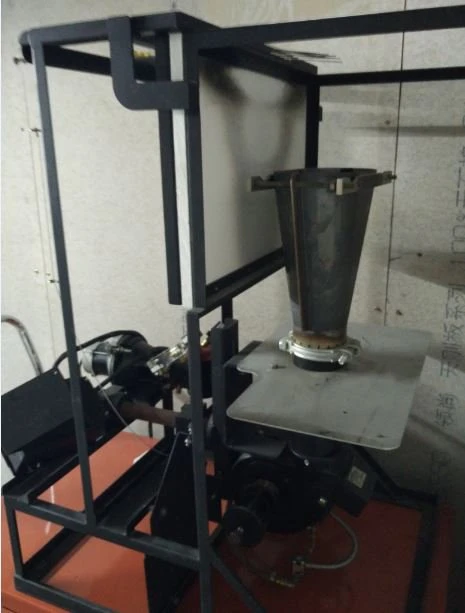
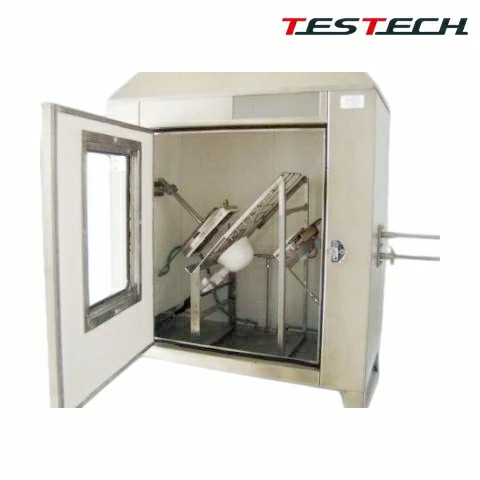
The flame used in the testing process can also behave differently in high - humidity conditions. The water vapor in the air can interfere with the combustion process. It can reduce the oxygen concentration available for the flame, which can make the flame weaker and less intense. This can result in slower flame propagation on the test sample, giving a false impression of better fire - resistance.
Now, let's talk about how we as a supplier of these testers tackle these challenges. We design the Aviation Vertical Flammability Testers with features to counteract the effects of humidity. For instance, we use moisture - resistant materials in the construction of the tester. The electrical components are sealed to prevent moisture from getting in and causing damage.
We also recommend that our customers take certain precautions. One of the simplest things is to control the humidity in the testing area. You can use dehumidifiers to reduce the moisture content in the air. This helps to create a more stable testing environment and ensures that the test results are accurate.
Another important aspect is regular maintenance. In high - humidity environments, it's crucial to clean and inspect the tester more frequently. This can help to catch any signs of corrosion or moisture damage early on and prevent major problems from occurring.
If you're in the market for other related testing equipment, we've got you covered. We also offer a Thermal Radiation Flame Propagation Tester. This tester focuses on how flames spread under thermal radiation, which is really important for understanding fire behavior in different scenarios.
Our Aircraft Material Heat Release Rate Tester is another great tool. It measures how much heat a material releases when it burns. This is a key factor in assessing the fire - safety of aircraft materials.
For those working on train safety, we have the Realistic - Condition Fire Resistance Tester for Trains. This tester can simulate real - world fire conditions in trains to test the fire resistance of materials used in the train interiors.
We also offer the Aircraft Fire Penetration Tester. This equipment is designed to test how well materials can resist fire penetration, which is crucial for maintaining the integrity of aircraft structures during a fire.
And if you're involved in the automotive industry, our Automotive Wire Harness Flammability Tester can help you ensure the safety of wire harnesses in vehicles.
In conclusion, while high - humidity environments can pose challenges to the Aviation Vertical Flammability Tester, with the right design features, precautions, and maintenance, accurate and reliable testing can still be achieved. Our testers are built to withstand these challenges and provide you with the data you need to ensure the safety of aviation materials.
If you're interested in purchasing an Aviation Vertical Flammability Tester or any of our other testing equipment, don't hesitate to reach out. We're here to help you make the right choice for your testing needs. Contact us to start a discussion about your requirements, and let's work together to ensure the safety of transportation materials.
References:
- ASTM International standards related to aviation material flammability testing
- Research papers on the effects of humidity on fire testing processes