

As a leading provider of Aircraft Fire Penetration Tester, I am often asked about the intricate process of testing the fire protection of autopilot systems in aircraft. In this blog, I will delve into the details of how we, as experts in the field, conduct these crucial tests to ensure the safety and reliability of aircraft autopilot systems.
Understanding the Importance of Fire Protection in Autopilot Systems
Autopilot systems are the backbone of modern aircraft, providing essential functions such as navigation, altitude control, and speed regulation. These systems are highly complex and rely on a multitude of electronic components and wiring, which are vulnerable to fire hazards. A fire in the autopilot system can lead to catastrophic consequences, including loss of control of the aircraft and endangerment of passengers and crew. Therefore, it is imperative to have robust fire protection measures in place to prevent and contain fires in these critical systems.
The Role of Aircraft Fire Penetration Testers
Aircraft Fire Penetration Testers play a crucial role in evaluating the fire protection capabilities of autopilot systems. These testers are designed to simulate real - world fire scenarios and measure the ability of the system's components and enclosures to withstand fire and prevent its spread. By subjecting the autopilot system to controlled fire conditions, we can identify potential weaknesses in the fire protection design and recommend improvements.
Pre - test Preparations
System Inspection
Before conducting any fire tests, a thorough inspection of the autopilot system is carried out. This includes checking the integrity of the system's enclosures, wiring, and electronic components. Any signs of damage, wear, or improper installation are noted and addressed before the test.
Test Setup
The test setup involves creating a controlled environment that mimics the conditions inside an aircraft. The autopilot system is placed in a test chamber, which is designed to isolate the system from external factors and allow for precise control of the fire conditions. The chamber is equipped with sensors to monitor parameters such as temperature, pressure, and oxygen levels.
Instrumentation
To accurately measure the performance of the fire protection system, a variety of instrumentation is used. This includes thermocouples to measure temperature, pressure sensors, and cameras to record the fire behavior. The data collected during the test is used to analyze the performance of the system and make informed decisions about its fire protection capabilities.
Conducting the Fire Test
Ignition
The fire test begins with the ignition of a controlled fire source near the autopilot system. The fire source is carefully calibrated to produce a specific heat release rate and flame intensity, which are representative of real - world fire scenarios. The location of the ignition source is chosen to target areas of the system that are most vulnerable to fire.
Monitoring
Once the fire is ignited, the system is continuously monitored using the instrumentation mentioned earlier. The temperature of the system's components, the pressure inside the enclosure, and the spread of the fire are all closely observed. Any signs of fire penetration, such as the appearance of flames or smoke inside the enclosure, are noted immediately.
Duration of the Test
The fire test is typically conducted for a specific duration, which is determined based on industry standards and regulations. This duration allows us to evaluate the long - term performance of the fire protection system and ensure that it can withstand a sustained fire event.
Post - test Analysis
Data Analysis
After the test is completed, the data collected from the instrumentation is analyzed in detail. This includes plotting temperature and pressure curves over time, identifying the time of fire penetration, and evaluating the effectiveness of the fire protection measures. The analysis helps us to understand how the system performed under fire conditions and identify areas for improvement.
Visual Inspection
In addition to data analysis, a visual inspection of the autopilot system is carried out. This involves examining the system for any signs of damage, such as melted components, charred wiring, or structural deformation. The visual inspection provides valuable insights into the physical effects of the fire on the system.
Reporting
Based on the data analysis and visual inspection, a comprehensive report is generated. The report includes a summary of the test results, an evaluation of the fire protection system's performance, and recommendations for improvement. The report is shared with the aircraft manufacturer, regulatory authorities, and other stakeholders to ensure that appropriate actions are taken to enhance the safety of the autopilot system.
Other Related Testing Equipment
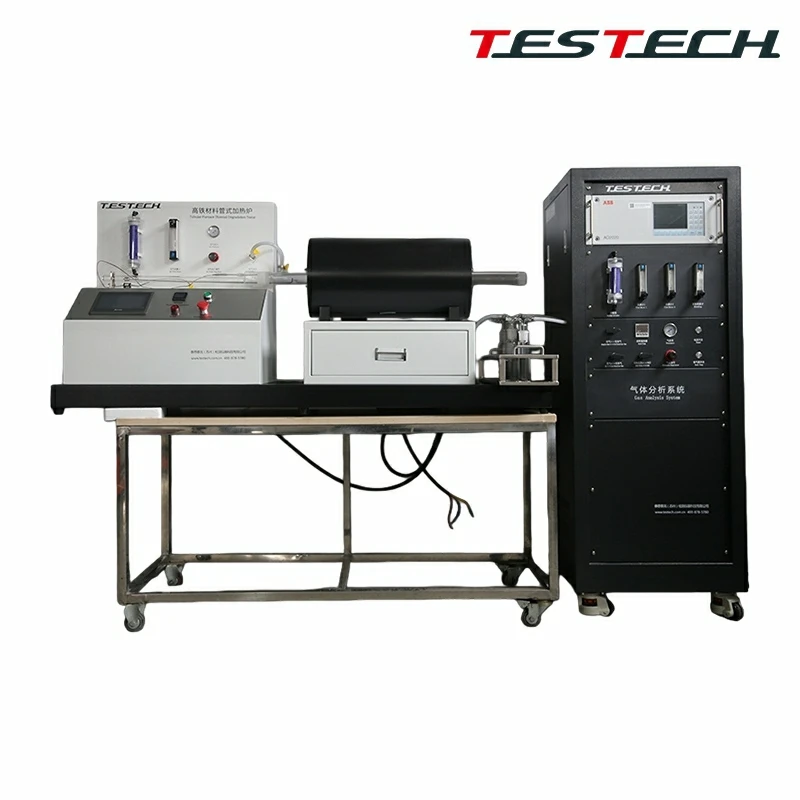
In our work as a provider of fire testing solutions, we also offer a range of other related testing equipment. Tube Furnace Decomposition Systems are used to study the thermal decomposition of materials used in aircraft components. This helps in understanding how materials behave under high - temperature conditions and can contribute to the development of more fire - resistant materials.
Rail Transit Material Combustion Tester is designed for testing the flammability of materials used in rail transit systems. Although it is not directly related to aircraft autopilot systems, the principles of fire testing are similar, and the knowledge gained from rail transit testing can be applied to aircraft testing as well.
Realistic - Condition Fire Resistance Tester for Trains provides a more realistic simulation of fire scenarios in trains. This type of tester can help in understanding the behavior of materials and systems under complex fire conditions, which can also be relevant to the design and testing of aircraft fire protection.
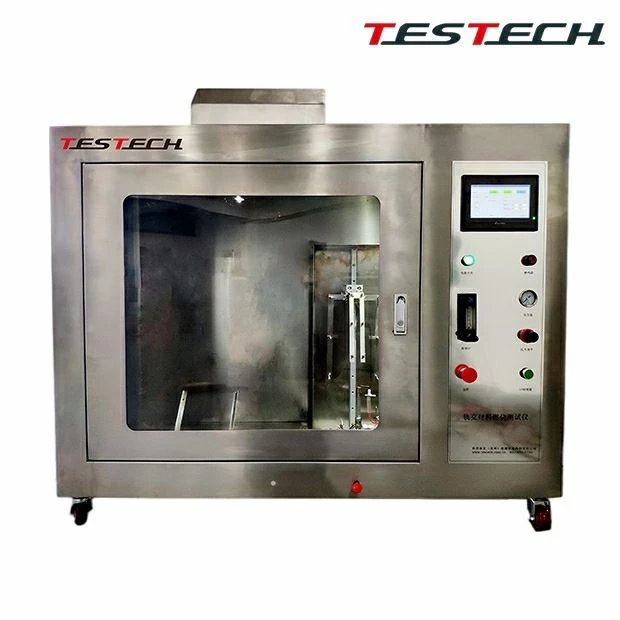
45° Flammability Tester is used to measure the flammability of materials at a 45 - degree angle. This test can provide valuable information about the ignition and flame spread characteristics of materials used in aircraft interiors and autopilot system enclosures.
Conclusion and Call to Action
Testing the fire protection of autopilot systems is a critical process that ensures the safety of aircraft and their passengers. As a trusted provider of Aircraft Fire Penetration Tester and related testing equipment, we are committed to providing high - quality testing solutions.
If you are involved in the design, manufacturing, or maintenance of aircraft autopilot systems and are looking for reliable fire testing equipment and services, we would be delighted to discuss your needs. Our team of experts can provide customized solutions to meet your specific requirements and help you ensure the fire safety of your systems. Contact us today to start a conversation about how we can assist you in your fire testing endeavors.
References
- Aircraft Fire Safety Standards and Regulations. International Civil Aviation Organization (ICAO).
- Fire Protection Design for Aircraft Systems. Society of Automotive Engineers (SAE).
- Testing Methods for Aircraft Materials and Components. Federal Aviation Administration (FAA).