

In the realm of rail transit safety, the Rail Transit Material Combustion Tester plays a pivotal role. As a leading supplier of this essential equipment, I am often asked a crucial question: Can the Rail Transit Material Combustion Tester be connected to a computer for data analysis? In this blog post, I will delve into this question, exploring the technical aspects, benefits, and practical applications of connecting the tester to a computer.
Technical Feasibility
Modern Rail Transit Material Combustion Testers are designed with advanced technology that allows for seamless integration with computers. These testers are equipped with various sensors and data acquisition systems that collect a wealth of information during the combustion test. This data includes parameters such as temperature, heat release rate, mass loss, and flame spread.
The connection between the tester and the computer is typically established through a standard communication interface, such as USB or Ethernet. This interface enables the transfer of data from the tester to the computer in a digital format. Once the data is transferred, specialized software installed on the computer can be used to analyze and interpret the results.
Benefits of Computer - Based Data Analysis
1. Accurate and Precise Analysis
Connecting the Rail Transit Material Combustion Tester to a computer allows for more accurate and precise data analysis. The software can perform complex calculations and statistical analyses that would be difficult or impossible to do manually. For example, it can calculate the peak heat release rate, the total heat released during the test, and the time to ignition with a high degree of accuracy.
2. Real - Time Monitoring
With a computer connection, operators can monitor the test in real - time. They can view the data as it is being collected, which allows for immediate feedback and the ability to make adjustments if necessary. This real - time monitoring is especially important in ensuring the reliability and repeatability of the test results.
3. Data Storage and Retrieval
Computer - based data analysis also provides a convenient way to store and retrieve test data. The data can be saved in a digital format on the computer's hard drive or in a cloud - based storage system. This makes it easy to access historical data for comparison, quality control, and regulatory compliance purposes.
4. Customizable Reporting
The software used for data analysis can generate customizable reports. These reports can include graphs, tables, and summary statistics that clearly present the test results. Operators can tailor the reports to meet the specific requirements of their clients or regulatory agencies, making the information more accessible and useful.
Practical Applications
1. Research and Development
In the field of rail transit material research and development, the ability to connect the combustion tester to a computer is invaluable. Researchers can use the data analysis to evaluate the performance of new materials and to optimize their design. By comparing the test results of different materials, they can identify the most fire - resistant and safe options for use in rail vehicles.
2. Quality Control in Manufacturing
For manufacturers of rail transit materials, computer - based data analysis is an essential part of quality control. By regularly testing their products using the Rail Transit Material Combustion Tester and analyzing the data on a computer, they can ensure that the materials meet the required safety standards. This helps to prevent the use of sub - standard materials in rail vehicles, which could pose a significant safety risk.

3. Regulatory Compliance
Regulatory agencies around the world have strict safety standards for rail transit materials. Connecting the combustion tester to a computer and analyzing the data can help manufacturers and operators demonstrate compliance with these standards. The detailed reports generated by the software can be submitted to regulatory authorities as evidence of the materials' fire - safety performance.
Other Related Testing Equipment
In addition to the Rail Transit Material Combustion Tester, our company also offers a range of other testing equipment for transportation materials. These include the Locomotive Material Combustion Tester, which is specifically designed for testing the combustion properties of locomotive materials. The Realistic - Condition Fire Resistance Tester for Trains can simulate real - world fire conditions for train materials, providing more accurate and practical test results.
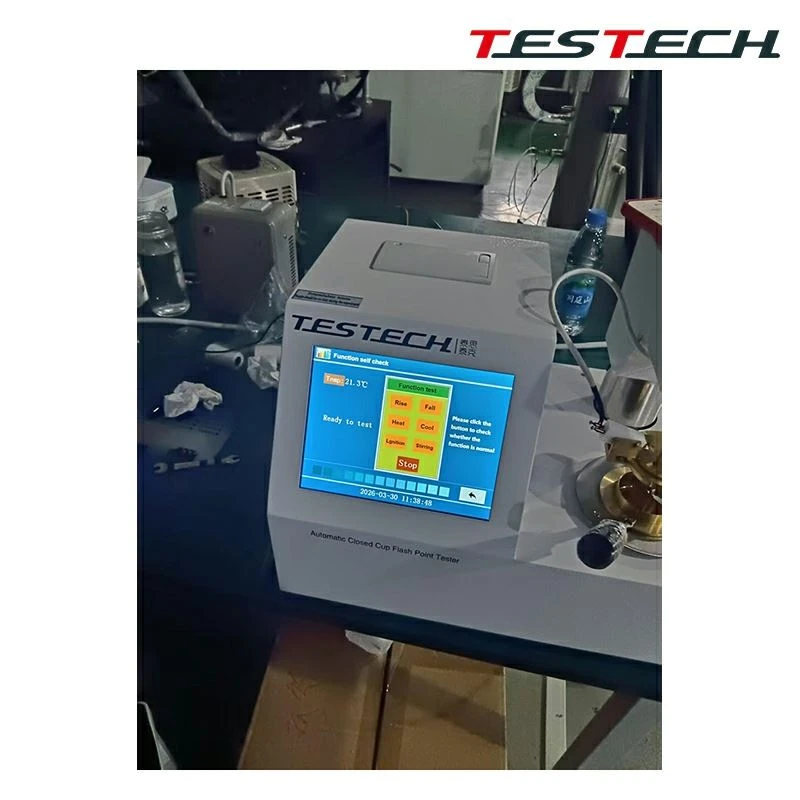
We also have the Aviation Vertical Flammability Tester for testing the flammability of aviation materials, the Pensky - Martens Closed Cup Flash Point Tester for determining the flash point of liquids, and the Aircraft Seat Flammability Test Apparatus for evaluating the fire - safety performance of aircraft seats.
Conclusion and Call to Action
In conclusion, the Rail Transit Material Combustion Tester can indeed be connected to a computer for data analysis. This connection offers numerous benefits, including accurate analysis, real - time monitoring, data storage, and customizable reporting. It has practical applications in research and development, quality control, and regulatory compliance.
If you are in the market for a Rail Transit Material Combustion Tester or any of our other testing equipment, we encourage you to reach out to us for a detailed discussion. Our team of experts is ready to assist you in selecting the right equipment for your needs and providing you with comprehensive after - sales support. Whether you are a researcher, manufacturer, or operator in the transportation industry, our testing equipment can help you ensure the safety and quality of your materials. Contact us today to start a conversation about your specific requirements.
References
- ASTM International. (Year). Standard test methods related to transportation material combustion. ASTM Standards.
- International Electrotechnical Commission (IEC). (Year). Safety standards for rail transit materials. IEC Publications.
- Federal Railroad Administration (FRA). (Year). Regulations on fire safety of rail transit materials. FRA Documents.