

Hey there! I'm a supplier of electronic component flammability testers, and I've spent a good deal of time in this industry. Over the years, I've seen firsthand what these testers can do, but I've also noticed some limitations. So, let's dig into it and explore whether there are any drawbacks to an electronic component flammability tester.
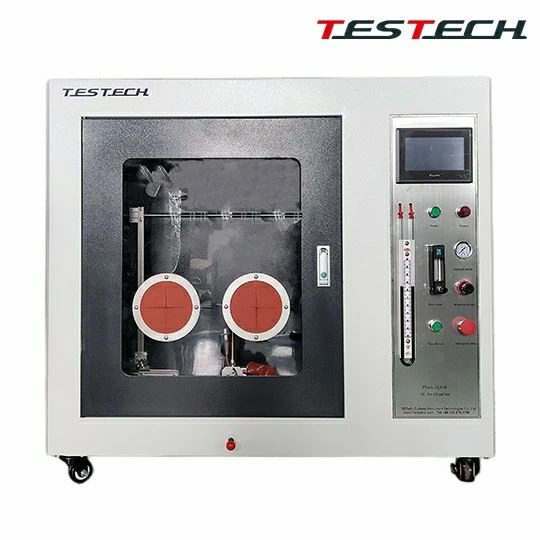
First off, let's talk about what these testers are all about. They're designed to assess the flammability of electronic components, which is super important for safety reasons. There are different types of these testers out there, each with its own way of testing. For example, the High-voltage Tracking Indices Tester is used to evaluate the ability of insulating materials to resist tracking under high voltage. The Horizontal and Vertical Flame Test Apparatus checks how quickly a component catches fire and how fast the flame spreads in horizontal and vertical positions. The Needle Flame Test Apparatus simulates the effect of a small flame, like that from an overheated component, to see if the material will ignite and sustain a fire. The Comparative Tracking Index Tester determines the comparative tracking index of insulating materials, which is crucial for understanding their electrical performance under contaminated conditions. And the Rubber Hose Non-flammability Tester is specifically for testing the non - flammability of rubber hoses.
Now, onto the limitations. One major limitation is the testing environment. These testers usually operate in a controlled laboratory setting. But in real - world scenarios, the conditions can be way different. Temperature, humidity, air flow, and the presence of other substances can all have an impact on how an electronic component behaves in a fire situation. For example, in a hot and humid environment, the material of a component might become more prone to ignition, or the flame might spread faster. But the tester can't fully replicate all these real - world variables. So, the results we get from the tester might not accurately reflect what would happen in an actual fire.
Another limitation is the sample size. The testers typically work with small samples of the electronic components. While these samples are supposed to be representative of the whole product, sometimes they might not be. A small defect or difference in the material composition might not show up in the sample, but in a full - scale product, it could have a significant impact on flammability. Also, the way a component is assembled and integrated into a larger system can affect its flammability. The tester can't always take into account the complex interactions between different parts in a real - world application.
The testing time is also a factor. The tests carried out by these testers are usually of a fixed duration. But in a real fire, the conditions can change over a long period. A component might seem non - flammable within the short testing time, but it could start to burn or release hazardous substances after a longer exposure to heat. So, the short - term results from the tester might give a false sense of security.
And then there's the issue of new materials. As technology advances, new materials are being used in electronic components all the time. These new materials might have unique flammability characteristics that the existing testers aren't fully equipped to handle. The testing standards and methods are often based on older materials, and it can take a while for the testing technology to catch up. This means that there might be some uncertainty when testing components made from these new materials.
Let's not forget about the human factor. The accuracy of the test results also depends on how the tester is operated. If the operator doesn't follow the proper procedures, like adjusting the test parameters correctly or placing the sample in the right position, the results can be inaccurate. Even the calibration of the tester can be a problem. If it's not calibrated regularly and accurately, it will give unreliable data.
So, with all these limitations, you might be wondering if these testers are still useful. The answer is a definite yes! Despite their drawbacks, they're still the best tools we have for assessing the flammability of electronic components. They provide valuable data that can help manufacturers design safer products and meet safety standards.
But it's important to be aware of these limitations. When using the results from these testers, manufacturers should also consider other factors, like real - world conditions and the overall design of the product. They can use additional testing methods or simulations to get a more comprehensive understanding of the component's flammability.
As a supplier of electronic component flammability testers, I'm constantly looking at ways to improve these tools. We're researching new technologies to better replicate real - world conditions, increase the accuracy of testing, and handle new materials. And we're also providing more training to operators to make sure they're using the testers correctly.
If you're in the market for an electronic component flammability tester, it's crucial to understand these limitations. But don't let them scare you off. These testers are an essential part of ensuring the safety of electronic products. If you want to know more about our testers or have any questions, feel free to reach out. We're here to help you make an informed decision and get the best testing solution for your needs. Whether you're dealing with high - voltage tracking, horizontal and vertical flame tests, needle flame tests, comparative tracking index tests, or rubber hose non - flammability tests, we've got the right equipment for you. Let's start a conversation about how we can help you meet your flammability testing requirements.
References
- General knowledge and experience in the electronic component flammability testing industry
- Technical manuals and documentation of electronic component flammability testers
- Industry - related research papers on the limitations of product testing methods