

As a supplier of Single Burning Items, I often get inquiries from customers about whether there are any do - it - yourself (DIY) modifications they can make to these items. In this blog post, I'll explore some potential DIY modifications that are both safe and scientifically sound.
Understanding Single Burning Items
Before delving into DIY modifications, it's crucial to understand what Single Burning Items are. In the context of building materials and fire safety, a Single Burning Item test assesses the fire performance of products. This evaluation plays a vital role in ensuring the safety of buildings and the people within them. Products that pass these tests meet specific fire - safety standards.
Potential DIY Modifications
1. Surface Treatments
One of the most straightforward DIY modifications is applying surface treatments. Fire - retardant paints or sprays are readily available in the market. When applied to a Single Burning Item, these substances can significantly reduce its flammability. The chemicals in fire - retardant coatings work by either forming a protective layer that insulates the material from the heat of the fire, or by releasing non - flammable gases that dilute the oxygen around the burning area.
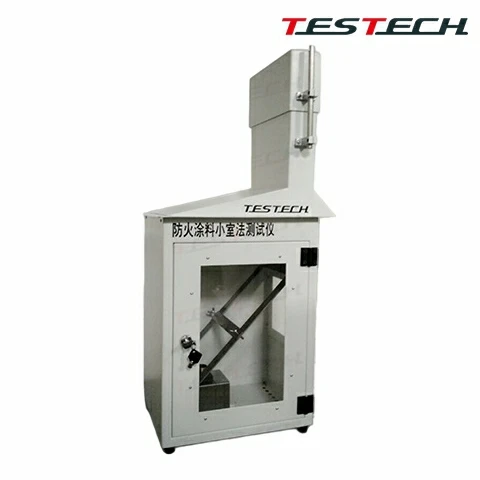
However, it's important to note that not all fire - retardant coatings are created equal. You can use a Fire - Retardant Coating Tester Small Chamber Method to check the effectiveness of the coating you plan to use. This tester allows you to simulate a small - scale fire scenario and evaluate how well the coating performs in preventing the spread of flames.
2. Adding Thermal Insulation
Another modification that can enhance the fire performance of a Single Burning Item is adding thermal insulation. Thermal insulation materials can slow down the transfer of heat, which in turn reduces the likelihood of the item catching fire or spreading flames rapidly.
There are various types of thermal insulation materials available, such as fiberglass, mineral wool, and polystyrene foam. When choosing a thermal insulation material, it's essential to consider its maximum use temperature. You can use a Thermal Insulation Materials Maximum Use Temperature Tester Heating Plate to determine the highest temperature the insulation material can withstand without losing its effectiveness.
To add thermal insulation to a Single Burning Item, you can cut the insulation material to the appropriate size and then attach it to the item using adhesive or mechanical fasteners. Make sure to cover all exposed areas to maximize the insulation's effect.
3. Structural Modifications
For some Single Burning Items, making structural modifications can also improve fire safety. For example, if the item is a piece of furniture, you can reinforce its frame with fire - resistant materials or add internal fire - barriers. This can prevent the fire from spreading quickly through the structure and give people more time to evacuate in case of a fire.
When making structural modifications, it's important to ensure that the integrity of the item is not compromised. You may need to consult a professional or refer to relevant building codes and standards.
4. Incorporating Fire - Resistant Components
In some cases, you can incorporate fire - resistant components into a Single Burning Item. For example, if you're modifying a mattress, you can use a Flammability Of Mattress Sets Test Apparatus to test different materials and then choose fire - resistant fabrics, foams, or fillings to use in the construction of the mattress.
Safety Considerations
While DIY modifications can be a great way to enhance the fire performance of a Single Burning Item, safety should always be the top priority. Here are some key safety considerations:
- Follow Instructions: When using any fire - retardant products or making modifications, always follow the manufacturer's instructions carefully.
- Testing: Use appropriate testing equipment, such as the testers mentioned above, to ensure that your modifications are effective and safe.
- Compliance: Make sure that your DIY modifications comply with local building codes and regulations. Non - compliant modifications can pose a serious safety risk and may also result in legal issues.
Risks Associated with DIY Modifications
It's important to be aware of the potential risks associated with DIY modifications. Improperly applied fire - retardant coatings can blister or peel off, reducing their effectiveness. Adding thermal insulation incorrectly can create air pockets or gaps that allow heat to transfer more easily. Structural modifications that are not done correctly can weaken the item and make it more dangerous in a fire situation.
Therefore, if you're not confident in your ability to make the modifications safely and effectively, it's advisable to consult a professional.
Testing Your Modified Single Burning Item
After making DIY modifications to a Single Burning Item, it's essential to test its fire performance. You can use a Non - Combustibility Test Apparatus to determine if the item is non - combustible, or a Difficult - flammability Of Building Materials Tester to assess its resistance to ignition and flame spread.
These tests will give you an objective measure of how well your modifications have worked and whether the item now meets the required fire - safety standards.
Conclusion
In conclusion, there are several DIY modifications that you can make to a Single Burning Item to enhance its fire performance. Surface treatments, adding thermal insulation, making structural modifications, and incorporating fire - resistant components are all viable options. However, it's crucial to approach these modifications with caution, follow safety guidelines, and test the modified item thoroughly.

If you're interested in exploring more fire - safety solutions or purchasing the testing equipment mentioned in this blog post, we're here to assist you. Whether you're a homeowner looking to improve the fire safety of your living space or a professional in the building industry, we can provide you with the products and expertise you need. Contact us for more information and to start a discussion about your specific requirements.
References
- Fire Protection Handbook, National Fire Protection Association
- Building Codes and Standards related to Fire Safety, local and international authorities
- Manufacturer's manuals of fire - retardant products and testing equipment