

The use of a universal fire tester in vehicles is a critical aspect of ensuring safety and compliance with industry standards. As a leading supplier of universal fire testers, I understand the significance of meeting the specific requirements for these devices in the automotive context. In this blog post, I will discuss the key requirements for using a universal fire tester in vehicles, including regulatory compliance, technical specifications, and operational considerations.
Regulatory Compliance
One of the primary requirements for using a universal fire tester in vehicles is to comply with relevant regulations and standards. These regulations are designed to ensure the safety of vehicle occupants and the environment by setting minimum requirements for fire resistance and performance. In the automotive industry, several international and national standards govern the use of fire testing equipment, such as ISO 3795, FMVSS 302, and UL 94.
ISO 3795 is an international standard that specifies the flammability requirements for interior materials used in vehicles. This standard applies to all types of vehicles, including cars, trucks, buses, and agricultural machinery. The test method involves exposing a specimen of the interior material to a small flame for a specified period and measuring the rate of flame spread. To comply with ISO 3795, the flame spread rate must not exceed a certain limit.
FMVSS 302 is a federal motor vehicle safety standard in the United States that regulates the flammability of interior materials in motor vehicles. Similar to ISO 3795, FMVSS 302 requires that the flame spread rate of interior materials does not exceed a specified maximum. This standard applies to all passenger cars, multipurpose passenger vehicles, trucks, and buses manufactured for sale in the United States.
UL 94 is a widely recognized standard for the flammability of plastic materials. While it is not specific to vehicles, it is often used in the automotive industry to evaluate the fire performance of plastic components. UL 94 classifies materials based on their flammability rating, with the highest rating being V-0, indicating the lowest flammability.
When using a universal fire tester in vehicles, it is essential to ensure that the tester meets the requirements of these standards. This includes using the correct test method, calibration procedures, and sample preparation techniques. Additionally, the test results should be accurately recorded and reported to demonstrate compliance with the relevant regulations.
Technical Specifications
In addition to regulatory compliance, universal fire testers used in vehicles must meet specific technical specifications to ensure accurate and reliable test results. These specifications include the following:
Temperature Control
Temperature control is a critical factor in fire testing, as the performance of materials can vary significantly depending on the temperature. A universal fire tester used in vehicles should be capable of maintaining a stable temperature within the test chamber. This typically requires a temperature control system that can precisely regulate the temperature to within a few degrees Celsius.
Oxygen Concentration
The oxygen concentration in the test chamber is another important parameter in fire testing. Different materials require different oxygen concentrations to burn, and a universal fire tester should be able to control the oxygen concentration accurately. This is particularly important for tests such as the Limited Oxygen Index Tester, which measures the minimum oxygen concentration required for a material to sustain combustion.
Flame Source
The flame source used in a universal fire tester should be consistent and reproducible. This ensures that the test results are comparable between different tests and different laboratories. The flame source should also be able to provide a controlled and uniform flame to accurately simulate real-world fire conditions.
Sample Size and Preparation
The size and preparation of the test sample can have a significant impact on the test results. A universal fire tester used in vehicles should be designed to accommodate samples of various sizes and shapes, as specified by the relevant standards. Additionally, the sample preparation method should be consistent and follow the recommended procedures to ensure the accuracy and reliability of the test results.
Operational Considerations
In addition to regulatory compliance and technical specifications, there are several operational considerations when using a universal fire tester in vehicles. These include the following:
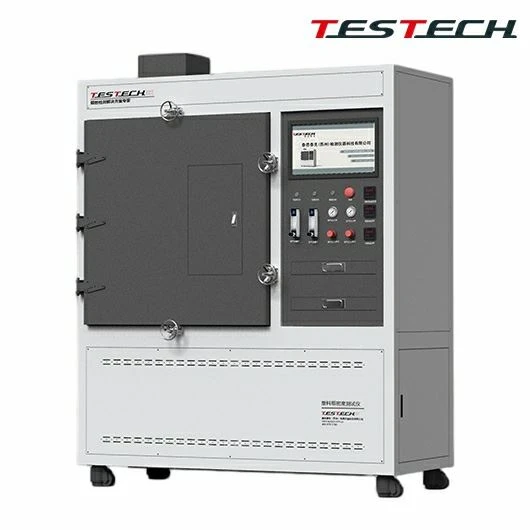

Training and Certification
Operators of universal fire testers should receive proper training and certification to ensure that they can operate the equipment safely and effectively. This includes training on the test procedures, calibration techniques, and maintenance requirements of the tester. Additionally, operators should be familiar with the relevant safety regulations and standards to ensure that the tests are conducted in a safe and compliant manner.
Maintenance and Calibration
Regular maintenance and calibration of the universal fire tester are essential to ensure its accuracy and reliability. This includes cleaning the test chamber, inspecting the components for wear and tear, and calibrating the sensors and controls. The maintenance and calibration procedures should be performed according to the manufacturer's recommendations and documented to demonstrate compliance with the relevant standards.
Safety Precautions
Fire testing involves the use of open flames and combustible materials, which can pose a significant safety risk. Therefore, it is essential to take appropriate safety precautions when using a universal fire tester in vehicles. This includes providing adequate ventilation in the test area, wearing appropriate personal protective equipment, and having a fire extinguisher readily available. Additionally, the test area should be designed to prevent the spread of fire and minimize the risk of injury to personnel.
Additional Equipment
In some cases, additional equipment may be required to complement the use of a universal fire tester in vehicles. For example, an Elevated-temperature Oxygen Index Tester can be used to test the fire performance of materials at elevated temperatures, which is important for applications such as engine compartments. A Flue Gas Treatment Unit may also be necessary to treat the exhaust gases generated during the fire testing process to comply with environmental regulations.
Another useful piece of equipment is a Smoke Density Chamber, which can be used to measure the amount of smoke produced by a material during combustion. This is important for evaluating the visibility and toxicity of smoke in a vehicle fire, which can have a significant impact on the safety of vehicle occupants.
Conclusion
In conclusion, using a universal fire tester in vehicles requires compliance with relevant regulations and standards, meeting specific technical specifications, and considering operational factors such as training, maintenance, and safety. As a supplier of universal fire testers, we are committed to providing high-quality products that meet these requirements and help our customers ensure the safety and compliance of their vehicles.
If you are interested in learning more about our universal fire testers or have specific requirements for your vehicle fire testing needs, we encourage you to contact us. Our team of experts is available to provide you with detailed information and guidance to help you make the right choice for your application.
References
- ISO 3795: Road vehicles -- Interior materials -- Determination of burning behavior
- FMVSS 302: Flammability of interior materials
- UL 94: Tests for Flammability of Plastic Materials for Parts in Devices and Appliances