

As a supplier of the Released Gas Explosion Limit Tester, I've had my fair share of experiences with this nifty piece of equipment. It's a crucial tool in the field, especially when it comes to safety testing for various industries. But like any piece of tech, it's got its limitations. Let's dive in and take a closer look at the drawbacks of this tester.
Accuracy and Measurement Precision
One of the major limitations of the Released Gas Explosion Limit Tester is its accuracy. In certain cases, the test results can be a bit off. This variance can stem from several factors. Firstly, the purity of the gas sample can impact the readings. If the gas isn't pure, meaning it has some contaminants in it, the tester might not accurately measure the explosion limits. For example, in a real - world industrial setting, the gas released from machinery is likely to have trace amounts of other substances. These impurities can potentially react differently with the tester's sensors, leading to faulty or inaccurate results.
Another aspect affecting accuracy is the calibration of the device. Over time, the sensors in the tester can wear out, and the calibration might go haywire. If the tester isn't regularly calibrated according to the manufacturer's guidelines, it can show incorrect explosion limit values. This is a big deal because inaccurate explosion limit data can have serious consequences in terms of safety. Industries rely on these values to set up proper safety protocols, and a wrong reading could lead to a situation where they're either over - or under - prepared for a potential explosion.
Sample Variability
The Released Gas Explosion Limit Tester also has trouble dealing with sample variability. Different gas mixtures can have wildly different explosion limits. For instance, a simple mixture of methane and air will have a different explosion limit compared to a more complex mixture of hydrocarbons and other gases. The tester might not be able to accurately measure the explosion limits for all types of gas mixtures.
Moreover, the temperature and pressure of the gas sample can also affect the results. If the gas is at a high temperature or pressure, it might behave differently than it would at standard conditions. The tester is typically calibrated to work under standard temperature and pressure (STP). So, when testing a gas sample that's at non - standard conditions, the results might not be reliable. This is a significant limitation because in many industrial processes, the gases are released at high temperatures and pressures.
Limited Testing Scope
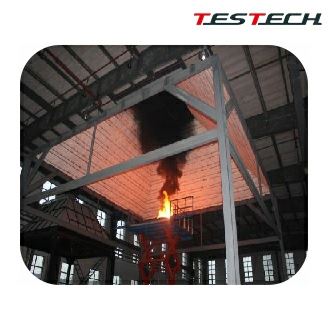
This tester is designed to measure the explosion limits of released gases, but its scope is limited. It can only provide information about the lower and upper explosion limits of the gas. It doesn't give any details about other important aspects of the gas, such as its burning rate. If you want to know how fast the gas burns, you'll need a separate device like the Released Gas Burning Rate Tester.
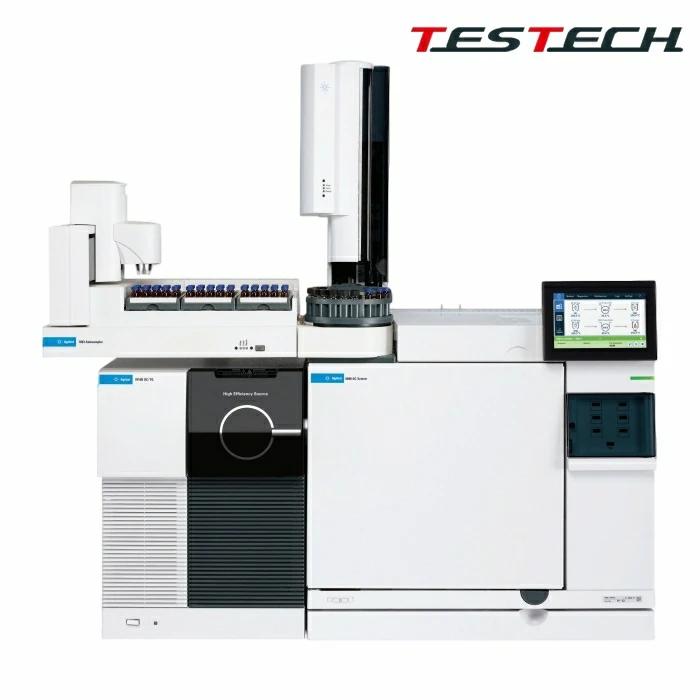
In addition, it doesn't offer insights into the chemical composition of the gas. Understanding the chemical makeup of the released gas can be crucial for industries, especially when it comes to dealing with toxic or hazardous substances. To analyze the chemical components of the gas, you'd have to use a Gas Chromatography Analysis System.
Environmental Sensitivity
The Released Gas Explosion Limit Tester is quite sensitive to the environment in which it operates. External factors like humidity, dust, and electromagnetic interference can all affect its performance. High humidity levels can cause corrosion of the tester's internal components, which can lead to malfunction. Dust particles can also clog the sensors, making them less sensitive and reducing the accuracy of the measurements.
Electromagnetic interference from nearby electrical equipment can disrupt the signals in the tester, causing it to produce erratic readings. This means that the tester needs to be operated in a controlled environment. In an industrial setting, it can be challenging to maintain such an environment, especially in large factories where there are many sources of electromagnetic interference and dust.
Complexity of Operation
Operating the Released Gas Explosion Limit Tester isn't exactly a walk in the park. It requires a certain level of technical expertise and training. The user needs to understand how to prepare the gas sample, set up the tester correctly, and interpret the results. If the operator isn't properly trained, they might make mistakes during the testing process, which can lead to inaccurate results.
Moreover, the tester's software can be quite complex. It has various settings and parameters that need to be adjusted according to the specific requirements of the test. For someone who isn't familiar with the software, it can be difficult to navigate and use effectively. This is a drawback because it limits the accessibility of the tester to non - technical personnel, which can slow down the testing process in some industries.
Cost Considerations
Cost is another limitation associated with the Released Gas Explosion Limit Tester. The initial purchase price of the tester can be quite high. This can be a significant barrier for small and medium - sized enterprises (SMEs) that have a limited budget for safety testing equipment.
In addition to the purchase price, there are also ongoing costs associated with the maintenance, calibration, and replacement of parts of the tester. Regular maintenance and calibration are essential to ensure the accuracy and reliability of the device, but they can add up over time. The cost of replacing worn - out sensors or other components can also be substantial, especially if the device requires specialized parts.
Compatibility Issues
The tester might face compatibility issues with other equipment in the industrial setup. For example, it may not be able to interface seamlessly with the data management systems used by some companies. This can make it difficult to integrate the test results into the overall safety management framework of the industry.
Also, if the industry is using other types of gas - testing equipment, the Released Gas Explosion Limit Tester may not be compatible with them in terms of data sharing or operation. This lack of compatibility can lead to inefficiencies in the testing process and may require additional resources to overcome.
Despite these limitations, the Released Gas Explosion Limit Tester remains a valuable tool in the field of safety testing. It's important to be aware of its drawbacks so that users can take appropriate measures to mitigate them. If you're in the market for a tester or have any questions about how to work around these limitations, feel free to reach out. We're here to help you make the best decision for your safety testing needs and can discuss how our products can fit into your operations.
References
- ASTM International. (Year). Standard Test Methods for Explosive Limits of Gases and Vapors.
- Industrial Safety Handbook. (Publisher, Year). Chapter on Gas Safety Testing Equipment.