

Well, folks, as a supplier of Single Burning Items, I often get asked about the ignition times for these products. It's a crucial topic, especially when it comes to fire safety and compliance. So, let's dive right in and explore what the ignition times for a Single Burning Item are all about.
First off, what exactly is a Single Burning Item? It's a test specimen used to evaluate the fire - performance of building products. The test is designed to assess how a product behaves when exposed to a small ignition source, and the ignition time is a key factor in this assessment.
The ignition time refers to the duration from the moment the ignition source is applied to the moment the product starts to burn continuously. It can vary significantly depending on several factors.
One of the main factors affecting ignition time is the material composition of the Single Burning Item. Different materials have different chemical properties, and some are more flammable than others. For example, items made from highly combustible materials like certain plastics or treated woods may have shorter ignition times compared to those made from more fire - resistant materials such as stone or metal.
The thickness of the material also plays a role. Thicker materials generally take longer to ignite because it takes more time for the heat from the ignition source to penetrate through the material and reach a temperature where combustion can occur. On the other hand, thinner materials can heat up more quickly, leading to a shorter ignition time.
The surface condition of the Single Burning Item is another important aspect. A smooth surface may allow the heat to spread more evenly, while a rough or porous surface can trap the heat and potentially speed up the ignition process. Additionally, if the surface has been treated with a coating, it can either enhance or reduce the ignition time. A fire - retardant coating, for instance, can significantly increase the ignition time by creating a barrier between the material and the ignition source.
Moisture content is yet another factor. Materials with higher moisture content need to lose the water through evaporation before they can reach the ignition temperature. So, a damp Single Burning Item will typically have a longer ignition time compared to a dry one.
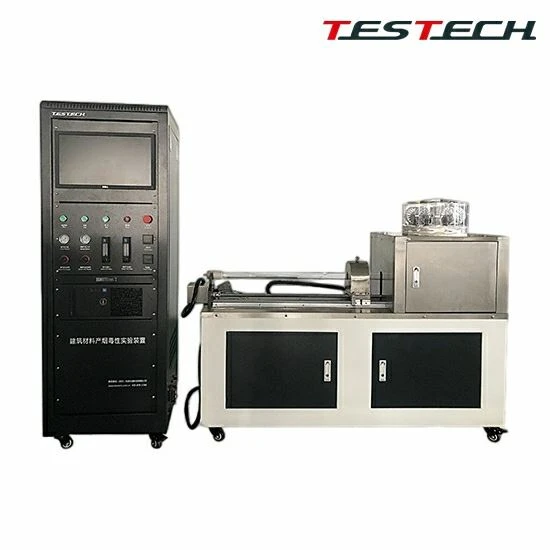
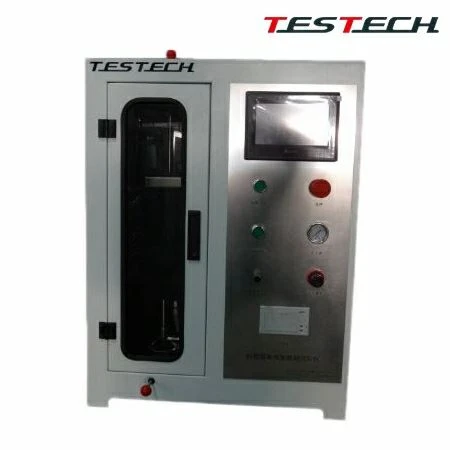
Now, you might be wondering how we test these ignition times. There are several state - of - the - art testing devices available in the market, and as a supplier, I'm well - acquainted with them. For example, the Flame Propagation Calorimeter is an excellent tool for measuring the ignition time and flame spread rate of various materials. It provides accurate data that helps us understand how a Single Burning Item will perform in a real - world fire scenario.
Another great device is the Thermal Ignition Performance Tester. This tester is designed to simulate different thermal conditions and measure the time it takes for a material to ignite under specific heat fluxes. It's a very useful instrument for determining the ignition characteristics of Single Burning Items.
The Fire - Retardant Coating Tester Large Panel Method is also important, especially when dealing with coated Single Burning Items. It allows us to test the effectiveness of fire - retardant coatings in increasing the ignition time and reducing the overall fire risk.
For products like paper and cardboard, the Flame - Retardant Paper and Cardboard Flammability Tester is specifically designed to measure their ignition times and flammability levels. And the Materials Smoke Production Toxicity Test Device not only helps us understand the ignition behavior but also the safety aspects related to smoke production and toxicity during a fire.
Understanding the ignition times of Single Burning Items is not just about passing a test; it's about ensuring the safety of buildings and the people who occupy them. Fire codes and regulations often have specific requirements for the ignition times of building materials, and as a responsible supplier, it's our duty to provide products that meet these standards.
Whether you're an architect, a contractor, or a building owner, having reliable Single Burning Items with appropriate ignition times is essential for a fire - safe construction. That's where we come in. As a supplier, we offer a wide range of Single Burning Items that are carefully tested to ensure they have the right ignition characteristics.
If you're in the market for high - quality Single Burning Items and want to learn more about their ignition times and how they can fit your project's needs, don't hesitate to reach out. Feel free to start a conversation with us. We're here to help you make the best choices for your fire - safety requirements.
References:
- ISO 11925 - 2:2020 Reaction to fire tests — Ignitability of building products subjected to direct impingement of flame — Part 2: Single - flame source test
- ASTM E1321 - 19 Standard Test Method for Determination of Ignition and Flame Spread Properties of Materials