

Hey there! As a supplier of building materials flammability testers, I've seen firsthand how crucial it is to operate these machines correctly. Not only does it ensure accurate test results, but it also keeps you safe during the testing process. In this blog post, I'll walk you through the steps on how to operate a building materials flammability tester correctly.
Pre - operation Preparation
Before you start using the flammability tester, there are a few things you need to do. First off, you gotta select the right tester for the job. We offer a variety of testers like the Thermal Load Tester for Thermal Insulation Rock Wool, Auto Ignition Point Tester, Spread Of Flame Tester, Flame - Retardant Material Fire Propagation Tester, and Heat Of Combustion Tester for Building Material. Each one is designed for specific types of tests, so make sure you pick the one that suits your building material.
Next, check the tester for any visible damage. Look for cracks, loose parts, or any signs of wear and tear. If you find anything wrong, don't use the tester until it's been repaired by a professional.
Also, make sure you have all the necessary accessories. This might include measuring tools, sample holders, and ignition sources. Having everything ready will make the testing process go smoothly.
Sample Preparation
The quality of your test results is highly dependent on how well you prepare your samples. First, cut the building material sample according to the tester's requirements. The size and shape can vary depending on the type of test. For example, some tests might require a square - shaped sample of a certain dimension.
Once you've cut the sample, clean it to remove any dust, dirt, or debris. This helps to ensure that the sample is in its natural state and that the test results are accurate.
After cleaning, condition the sample. This usually involves storing it at a specific temperature and humidity for a set period of time. Conditioning helps to standardize the sample's properties and makes the test results more comparable.
Setting Up the Tester
Now it's time to set up the tester. Start by placing the tester on a stable and flat surface. Make sure it's in a well - ventilated area, as some tests can produce fumes or smoke.
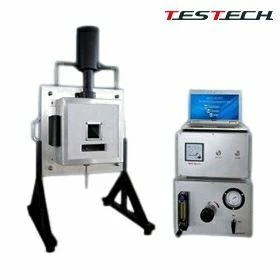

Connect the tester to a power source. Make sure the voltage and frequency match the requirements of the tester. You don't want to fry the machine by using the wrong power!
Once it's plugged in, turn on the tester and let it warm up. The warm - up time can vary depending on the model, so check the user manual.
Conducting the Test
- Loading the Sample: Carefully place the prepared sample into the tester's sample holder. Make sure it's positioned correctly according to the instructions. This is important because an improper placement can affect the test results.
For example, in a spread - of - flame test, the sample needs to be placed in a way that the flame will spread evenly across its surface. - Adjusting the Test Parameters: Depending on the type of test, you'll need to set the appropriate parameters. This could include things like the ignition time, the intensity of the heat source, or the flow rate of any gases. Refer to the user manual or the relevant testing standards to set these parameters correctly.
- Starting the Test: Once everything is set up, you can start the test. Press the start button or follow the specific starting procedure outlined in the manual. During the test, keep a close eye on the tester and the sample. Look for any signs of ignition, flame spread, or other relevant phenomena.
- Recording the Results: As the test progresses, record the relevant data. This might include the time it takes for the sample to ignite, the distance the flame spreads, or the amount of heat released. Use the measuring tools provided with the tester to get accurate readings.
Post - test Procedures
After the test is complete, turn off the tester and let it cool down. Remove the sample from the tester, being careful as it might still be hot.
Clean the tester thoroughly to remove any residue from the sample. This helps to maintain the tester's performance and accuracy for future tests.
Analyze the test results. Compare your recorded data with the relevant safety standards or specifications for the building material. If the material meets the requirements, it's a good sign. If not, further investigation or modification of the material might be needed.
Safety Precautions
Operating a building materials flammability tester involves working with fire and heat, so safety is of utmost importance.
- Wear Personal Protective Equipment (PPE): This includes safety glasses, heat - resistant gloves, and a lab coat. PPE can protect you from potential burns, fires, or fume inhalation.
- Keep a Fire Extinguisher Handy: In case of an accidental fire, having a fire extinguisher nearby can save the day. Make sure you know how to use it properly.
- Follow the Manufacturer's Instructions: The user manual is your best friend when it comes to operating the tester safely. It provides detailed instructions on how to use the machine, as well as safety precautions.
- Ventilate the Area: Good ventilation is essential to remove any fumes or smoke generated during the test. This helps to prevent inhalation of harmful substances.
Troubleshooting
Sometimes, things might not go as planned. Here are some common issues and how to solve them:
- The Tester Doesn't Turn On: Check if it's properly plugged in and if the power source is working. If the problem persists, it could be a fault with the tester's internal components, and you should contact a technician.
- Inconsistent Test Results: This could be due to improper sample preparation, incorrect test parameter settings, or a malfunctioning tester. Review your procedures and double - check the setup. If the problem continues, get the tester calibrated or serviced.
- The Sample Doesn't Ignite as Expected: Make sure the ignition source is working correctly and that the sample is in the proper condition. You might also need to adjust the test parameters.
Conclusion
Operating a building materials flammability tester correctly is not rocket science, but it does require attention to detail and following the right procedures. By properly preparing the sample, setting up the tester, conducting the test, and taking safety precautions, you can get accurate and reliable test results.
If you're in the market for a high - quality building materials flammability tester or have any questions about operating one, don't hesitate to reach out. We're here to help you ensure the safety and quality of your building materials.
References
- ASTM International. Standard test methods for flammability of building materials.
- ISO standards related to building materials flammability testing.