

The heat release rate (HRR) of aircraft materials is a critical parameter in assessing their fire safety performance. It provides insights into how quickly a material can release heat during a fire, which is crucial for predicting the fire growth rate, smoke production, and the overall hazard posed to passengers and crew. As a leading supplier of Aircraft Material Heat Release Rate Testers, I understand the significance of accurate testing results. One often-overlooked aspect that can significantly influence these results is sample preparation. In this blog, I will delve into how different aspects of sample preparation affect the outcomes of an Aircraft Material Heat Release Rate Tester.
Sample Size and Shape
The size and shape of the test sample can have a profound impact on the heat release rate measurements. According to the relevant standards such as FAR 25.853 for aircraft materials, specific sample dimensions are often prescribed. A deviation from these standard sizes can lead to inconsistent results.
For instance, if the sample is too small, the heat transfer mechanisms may be different from what would occur in a real - scale fire scenario. The surface - to - volume ratio of a small sample is relatively high, which means that heat can dissipate more quickly from the sample to the surrounding environment. This can result in a lower measured heat release rate compared to a larger sample of the same material.
Conversely, an oversized sample may cause problems related to non - uniform heating. The edges of the sample may not receive the same level of heat exposure as the center, leading to inaccurate HRR measurements. The shape of the sample also matters. A sample with a complex shape may have different air circulation patterns around it during testing, which can affect the combustion process and, consequently, the heat release rate.
Sample Density
The density of the aircraft material sample is another crucial factor. Different materials used in aircraft, such as foams, composites, and fabrics, can have a wide range of densities. A higher - density material generally has more mass per unit volume, which means that it contains more fuel for combustion.
When testing a high - density sample in an Aircraft Material Heat Release Rate Tester, more energy is required to heat and ignite the material. Once ignited, it can release a larger amount of heat due to the greater amount of combustible material present. On the other hand, a low - density material may ignite more easily but may not release as much heat over time.
Moreover, the density of a sample can change during sample preparation. For example, if a foam material is compressed during cutting or handling, its density will increase locally. This non - uniform density can lead to inconsistent ignition and heat release patterns during testing, making the results less reliable.
Sample Moisture Content
Moisture content in the sample can have a significant effect on the heat release rate measurements. Water has a high heat of vaporization, which means that when a sample contains moisture, a significant amount of energy is consumed in evaporating the water before the material starts to burn.
This can delay the ignition of the sample and reduce the initial heat release rate. In some cases, the presence of moisture can even prevent the sample from igniting altogether. For aircraft materials that are stored in humid environments or exposed to water during normal use, it is essential to control the moisture content during sample preparation.
To ensure accurate and consistent results, samples are often conditioned in a controlled - temperature and - humidity environment for a specific period before testing. This helps to bring all samples to a uniform moisture content, eliminating this variable from influencing the test results.
Sample Surface Finish
The surface finish of the test sample can also influence the heat release rate. A smooth surface may have different heat transfer and ignition characteristics compared to a rough surface. A rough surface can provide more surface area for heat transfer and ignition, which may lead to a faster ignition time and a higher initial heat release rate.
In addition, the surface finish can affect the airflow around the sample during testing. A smooth surface may allow for laminar airflow, while a rough surface can cause turbulent airflow. These different airflow patterns can impact the combustion process, as the movement of oxygen and the removal of combustion products are essential for sustained burning.
For example, laminar airflow may not supply enough oxygen to the combustion zone, resulting in incomplete combustion and a lower heat release rate. Conversely, turbulent airflow can enhance the mixing of oxygen and fuel, leading to more efficient combustion and a higher heat release rate.
Sample Orientation
The orientation of the sample in the Aircraft Material Heat Release Rate Tester can also play a role in the test results. In a real - world fire scenario, materials can be oriented in various ways, such as horizontal, vertical, or at an angle. Different orientations can affect the way heat is transferred, oxygen is supplied, and combustion products are removed.
When testing a horizontal sample, the heat transfer is mainly through conduction and radiation at the surface. The flame may spread more slowly compared to a vertical sample, where the natural convection of hot gases can assist in flame spread and heat transfer. A vertical sample can also draw in more oxygen from the surrounding environment, leading to a more intense combustion process and a higher heat release rate.
Importance of Correct Sample Preparation for Our Products
As a supplier of Aircraft Material Heat Release Rate Testers, we understand the importance of ensuring that our customers are aware of the impact of sample preparation on test results. Our testers are designed to provide accurate and reliable heat release rate measurements, but these results are only as good as the quality of the samples being tested.
If sample preparation is not carried out correctly, the test results may be misleading, which can have serious implications for aircraft safety. For example, if a material is deemed to have a lower heat release rate than it actually does due to improper sample preparation, it may be used in aircraft construction where it may pose a higher fire risk.
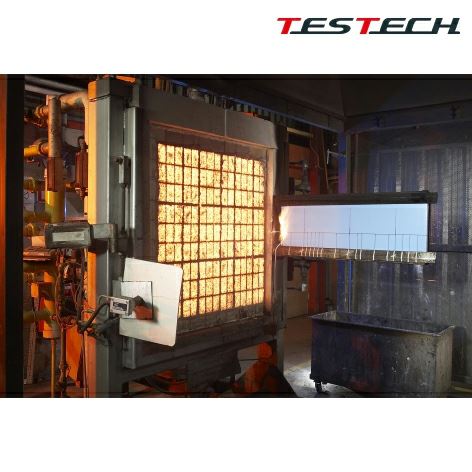

To assist our customers in achieving accurate results, we provide detailed guidelines on sample preparation as part of our product documentation. We also offer training services to ensure that our customers' technicians are well - versed in the proper techniques for sample preparation.
Related Products and Their Role in Aircraft Material Testing
In addition to our Aircraft Material Heat Release Rate Testers, we offer a range of other testing equipment that can complement the heat release rate testing. For example, the Aircraft Seat Flammability Test Apparatus is designed to assess the flammability of aircraft seats, which are a critical component in ensuring passenger safety during a fire.
The Flame Spread Tester can be used to measure how quickly a flame can spread across a material, providing additional information about its fire performance. The Cleveland Open Cup Auto Flash Point Analyser is useful for determining the flash point of aviation fuels and other combustible liquids, which is an important parameter in assessing their fire hazard.
The Electrical Burner Test Machine can be used to simulate the ignition of aircraft materials due to electrical sources, and the Tube Furnace Decomposition Systems can be used to study the thermal decomposition of materials at high temperatures.
Call to Action
Accurate and reliable heat release rate testing is essential for ensuring the fire safety of aircraft materials. The proper preparation of test samples is a crucial step in obtaining valid test results. If you are involved in the testing of aircraft materials and are looking for high - quality testing equipment, we encourage you to reach out to us. Our team of experts is ready to assist you in choosing the right equipment for your testing needs and can provide ongoing support to ensure accurate and consistent test results. Contact us today to start a discussion about your requirements and how our products can help you meet your testing goals.
References
- FAA Federal Aviation Regulations (FAR) 25.853. “Flammability of cabin interior materials.”
- ISO standards related to aircraft material fire testing, such as ISO 5660 for heat release rate measurement.
- ASTM standards for aircraft material testing, which provide guidelines on sample preparation and testing procedures.