

A glow wire test apparatus is a crucial tool in assessing the flammability of materials, especially those used in electrical and electronic equipment. Understanding how it measures the duration of ignition is essential for ensuring product safety and compliance with international standards. As a supplier of glow wire test apparatus, I'm here to delve into the intricacies of this process.
The Basics of Glow Wire Testing
Before we explore how the duration of ignition is measured, let's briefly understand what a glow wire test is. The glow wire test is designed to simulate the effect of heat sources, such as overloaded components or short - circuits, on materials. A heated glow wire is applied to the test specimen for a specified time, and the behavior of the specimen is observed.
The test is governed by standards such as IEC 60695 - 2 - 10 to 60695 - 2 - 13. These standards define the test conditions, including the temperature of the glow wire, the force applied, and the duration of the glow wire application.
Components of a Glow Wire Test Apparatus
A typical glow wire test apparatus consists of several key components. The glow wire itself is made of a high - resistance alloy that can be heated to a specific temperature, usually in the range of 550°C to 960°C. There is a mechanism to control the temperature of the glow wire accurately. This is often achieved through a temperature controller that uses thermocouples to monitor and adjust the temperature.
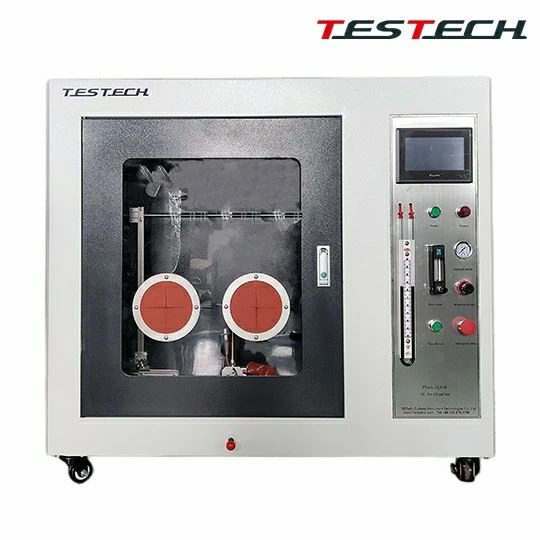
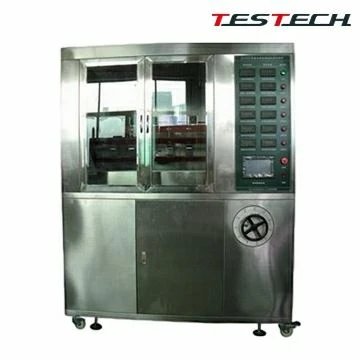
The apparatus also has a specimen holder that securely holds the test specimen in place. A force - applying mechanism ensures that the glow wire is pressed against the specimen with a defined force, typically 1 N. Additionally, there is a timing device that controls the duration of the glow wire application and a system to measure the duration of ignition.
Measuring the Duration of Ignition
The process of measuring the duration of ignition begins when the heated glow wire is brought into contact with the test specimen. As soon as the specimen catches fire, the measurement starts.
Visual Observation
One of the most straightforward methods is visual observation. Operators watch the specimen carefully. When a flame appears on the specimen, a stopwatch is started. The stopwatch continues to run until the flame on the specimen is extinguished. This manual method requires trained operators to accurately start and stop the stopwatch. However, it can be prone to human error, especially in cases where the flame is small or difficult to see clearly.
Automated Detection
To overcome the limitations of visual observation, many modern glow wire test apparatus are equipped with automated detection systems. These systems use sensors, such as photodetectors or flame sensors, to detect the presence of a flame.
When a flame is detected, the sensor sends a signal to the control unit of the apparatus. The control unit then starts a timer. Once the flame is no longer detected, the timer stops, and the duration of ignition is recorded. This automated method is more accurate and reliable than visual observation, as it eliminates the potential for human error.
Data Logging and Analysis
The measured duration of ignition is often logged by the apparatus. This data can be used for further analysis. For example, it can be compared with the requirements of relevant standards. If the duration of ignition exceeds the specified limit, the material fails the test.
The logged data can also be used for quality control purposes. Manufacturers can use this information to improve the flammability of their materials or to identify potential issues in the production process.
Factors Affecting the Measurement
Several factors can affect the measurement of the duration of ignition. The temperature of the glow wire is a critical factor. A higher temperature can cause the specimen to ignite more easily and may result in a longer duration of ignition.
The material properties of the specimen also play a significant role. Different materials have different flammability characteristics. For example, materials with a high oxygen index are less likely to ignite and may have a shorter duration of ignition.
The thickness and density of the specimen can also influence the test results. Thicker specimens may take longer to ignite and may have a different duration of ignition compared to thinner specimens.
Comparison with Other Flammability Testing Methods
There are other flammability testing methods available, each with its own advantages and disadvantages. For example, the High - voltage Tracking Indices Tester is used to determine the comparative tracking index of insulating materials under high - voltage stress. The Horizontal and Vertical Flame Test Apparatus assesses the flammability of materials in horizontal and vertical orientations.
The Melt Mass - Flow Rate Tester measures the melt flow rate of thermoplastic materials, which can be related to their flammability. The Needle Flame Test Apparatus simulates the effect of a small flame on a specimen, similar to the glow wire test but with a different heat source. The Comparative Tracking Index Tester is used to evaluate the tracking resistance of insulating materials.
While these methods provide different types of information about the flammability of materials, the glow wire test is particularly useful for simulating real - world heat sources in electrical and electronic equipment.
Importance of Accurate Measurement
Accurate measurement of the duration of ignition is crucial for ensuring the safety of electrical and electronic products. If the duration of ignition is not measured correctly, materials that are actually flammable may pass the test, leading to potential fire hazards in the final products.
Manufacturers rely on accurate test results to meet regulatory requirements. Many countries have strict regulations regarding the flammability of materials used in electrical and electronic equipment. By using a reliable glow wire test apparatus to measure the duration of ignition, manufacturers can ensure that their products comply with these regulations.
Our Glow Wire Test Apparatus
As a supplier of glow wire test apparatus, we offer high - quality products that are designed to provide accurate and reliable measurements. Our apparatus are equipped with advanced temperature control systems to ensure that the glow wire is heated to the precise temperature required by the standards.
The automated detection systems in our apparatus use state - of - the - art sensors to accurately measure the duration of ignition. The data logging feature allows users to easily record and analyze the test results.
We also provide comprehensive after - sales support, including training for operators and maintenance services. Our goal is to help our customers ensure the safety and compliance of their products.
Contact Us for Purchase and Consultation
If you are in the market for a glow wire test apparatus or need more information about how it measures the duration of ignition, we encourage you to contact us. Our team of experts is ready to assist you with your purchase and answer any questions you may have. We can provide detailed product specifications, pricing information, and technical support. Don't hesitate to reach out to us for a more in - depth discussion about your flammability testing needs.
References
- IEC 60695 - 2 - 10 to 60695 - 2 - 13, Glow - wire test methods for materials and parts in electrical equipment testing.
- Various industry reports on flammability testing of electrical and electronic materials.