

Can the Horizontal Burning Rate Tester be used in quality control of materials?
In the modern industrial landscape, the quality control of materials is of utmost importance. Ensuring that materials meet specified standards can prevent product failures, enhance safety, and maintain the reputation of manufacturers. One crucial aspect of material quality is its flammability, which is where the Horizontal Burning Rate Tester comes into play. As a supplier of Horizontal Burning Rate Testers, I am well - versed in the capabilities and applications of this device in material quality control.
Understanding the Horizontal Burning Rate Tester
The Horizontal Burning Rate Tester is a specialized piece of equipment designed to measure the horizontal burning rate of various materials. It operates under well - defined test conditions, applying a small flame to a test specimen placed horizontally. The tester then measures the time it takes for the flame to spread over a specified distance on the material. This measurement provides valuable information about the material's flammability characteristics, such as its ability to self - extinguish and the rate at which it burns.
Importance of Flammability in Material Quality
Flammability is a critical factor in many industries. In the electronics industry, for example, materials used in electrical appliances and circuit boards must have low flammability to prevent electrical fires. In the construction industry, building materials need to meet certain flammability standards to ensure the safety of occupants in case of a fire. Even in the automotive and aviation industries, components are required to have specific flammability properties to reduce the risk of fire during operation.
Using the Horizontal Burning Rate Tester for Quality Control
1. Benchmarking Against Standards
One of the primary ways the Horizontal Burning Rate Tester is used in quality control is by benchmarking materials against established flammability standards. Different industries and regions have set their own standards for the maximum allowable burning rates of materials. For instance, in the United States, the Underwriters Laboratories (UL) has developed a series of standards, such as UL 94, which classifies the flammability of plastics. By using the Horizontal Burning Rate Tester, manufacturers can determine whether their materials meet these standards and make necessary adjustments to the production process if they do not.
2. Batch - to - Batch Consistency
Another important aspect of quality control is ensuring batch - to - batch consistency. Manufacturers often produce materials in large quantities, and it is essential that each batch has the same flammability properties. The Horizontal Burning Rate Tester can be used to test samples from different batches. If significant variations are detected in the burning rates, it indicates a potential problem in the production process, such as inconsistent raw material quality or improper manufacturing conditions. This allows manufacturers to take corrective actions promptly to maintain product quality.

3. Research and Development
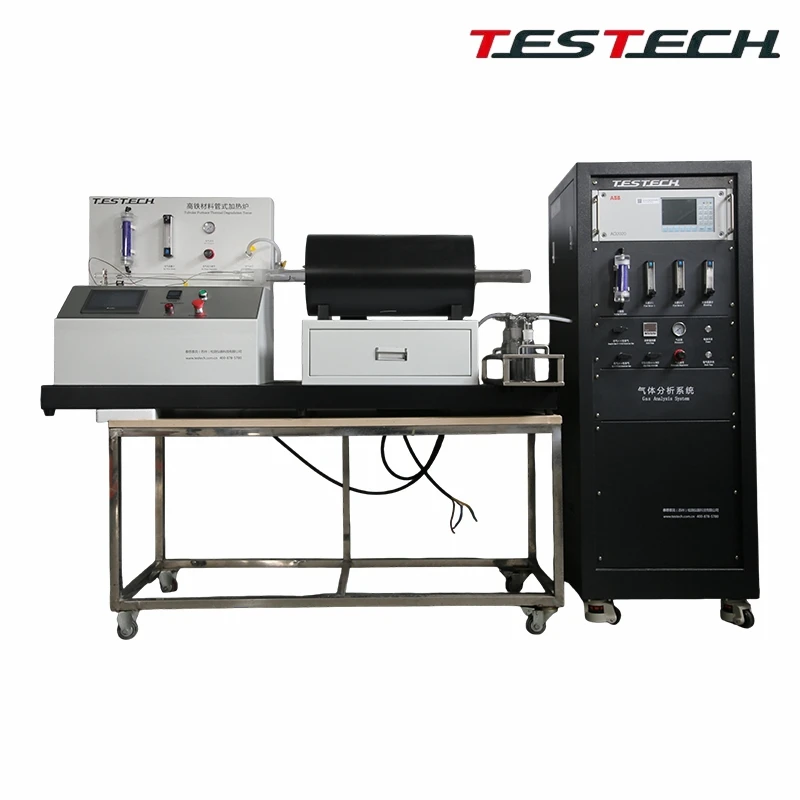
In the research and development phase, the Horizontal Burning Rate Tester plays a vital role. Scientists and engineers can use it to evaluate new materials or modify existing ones to improve their flammability properties. By testing different formulations and processing techniques, they can develop materials that are not only safer but also more suitable for specific applications. For example, in the development of new composite materials for the aerospace industry, the tester can help determine the optimal combination of fibers and resins to achieve the desired flammability performance.
Comparison with Other Flammability Testing Equipment
While the Horizontal Burning Rate Tester is a valuable tool, it is not the only device available for flammability testing. There are other testers, each with its own unique features and applications.
- Aviation Vertical Flammability Tester: This tester is specifically designed for testing the vertical flammability of materials used in aviation. It measures how quickly a flame spreads upwards on a vertically oriented specimen. In the aviation industry, where fire safety is of the utmost importance, this tester provides valuable information about the behavior of materials in a vertical fire scenario.
- Reinforced Plastic Incandescent Rod Tester: This tester is used to evaluate the flammability of reinforced plastics. It uses an incandescent rod to simulate a heat source and measures the material's response, such as its ignition time and the extent of burning. This is particularly useful in industries where reinforced plastics are widely used, such as the automotive and construction industries.
- Ion Chromatography: Although not strictly a flammability tester, ion chromatography can be used in conjunction with flammability testing. It can analyze the chemical composition of materials, including the presence of flame - retardant additives. By understanding the chemical makeup of a material, manufacturers can better predict its flammability behavior and make informed decisions about its use.
- Thermal Radiation Flame Propagation Tester: This tester evaluates how a material responds to thermal radiation, simulating a real - world fire scenario where heat is radiated from a nearby source. It measures the flame propagation rate and other relevant parameters, providing valuable data on the material's fire resistance under different conditions.
- Aircraft Material Heat Release Rate Tester: In the aviation industry, the heat release rate of materials is a critical factor. This tester measures the rate at which a material releases heat when burned, which is important for determining its fire hazard potential. It helps ensure that aircraft materials meet strict safety requirements.
Advantages of Our Horizontal Burning Rate Tester
As a supplier, I am proud to offer a Horizontal Burning Rate Tester with several advantages. Firstly, our tester is highly accurate and reliable. It is equipped with advanced sensors and control systems that ensure precise measurement of the burning rate. Secondly, it is easy to operate. The user - friendly interface allows operators to set up the test quickly and obtain accurate results. Thirdly, our tester is built to last. It is made of high - quality materials and undergoes rigorous quality control during the manufacturing process, ensuring long - term performance and durability.
Conclusion
In conclusion, the Horizontal Burning Rate Tester is an indispensable tool in the quality control of materials. It provides valuable information about a material's flammability, which is crucial for ensuring product safety and compliance with industry standards. Whether used for benchmarking against standards, ensuring batch - to - batch consistency, or in research and development, the tester plays a vital role in the manufacturing process. While there are other flammability testing equipment available, each with its own unique applications, the Horizontal Burning Rate Tester remains a cornerstone in material quality control.
If you are interested in learning more about our Horizontal Burning Rate Tester or would like to discuss your specific material testing needs, please feel free to contact us. Our team of experts is ready to assist you in finding the best solution for your quality control requirements.
References
- ASTM International. (20XX). Standard test methods for flammability of plastics and other solid materials using the horizontal and vertical test methods.
- Underwriters Laboratories. (20XX). UL 94: Standard for Tests for Flammability of Plastic Materials for Parts in Devices and Appliances.
- National Fire Protection Association. (20XX). Codes and standards related to material flammability.