

In the dynamic and demanding marine industry, fire safety stands as a paramount concern. Every vessel, from small fishing boats to massive cruise ships, must adhere to strict fire - safety regulations to safeguard lives and assets. As a supplier of universal fire testers, I am often asked whether our products are suitable for the unique challenges presented by marine environments. In this blog post, I will delve into the characteristics of marine environments, the features of universal fire testers, and evaluate their compatibility.
The Unique Challenges of Marine Environments
Marine environments are characterized by a set of harsh conditions that can significantly impact the performance and durability of equipment. One of the most prominent factors is saltwater exposure. Saltwater is highly corrosive, and when it comes into contact with metal components, it can cause rusting and degradation over time. This corrosion not only weakens the structural integrity of the equipment but can also interfere with the electrical and mechanical functions of fire testers.
Another challenge is high humidity. The marine atmosphere is typically saturated with moisture, which can lead to condensation inside the fire testers. Condensation can cause short - circuits in electrical components, damage sensitive sensors, and promote the growth of mold and mildew. These issues can severely compromise the accuracy and reliability of the test results.

Vibration and shock are also significant concerns. Vessels are constantly in motion, subject to waves, weather conditions, and engine vibrations. These vibrations can loosen connections, misalign components, and cause mechanical failures in fire testers.
Features of Universal Fire Testers
Universal fire testers are designed to be versatile and capable of conducting a wide range of fire - related tests. They are equipped with advanced sensors and control systems to measure various parameters such as heat release rate, smoke density, and oxygen index.
Heat Release Rate Measurement
Heat release rate is a crucial parameter in fire safety assessment. Universal fire testers can accurately measure the rate at which heat is released during a fire, which helps in evaluating the fire hazard of materials and products. This information is essential for determining the appropriate fire - protection measures on marine vessels.
Smoke Density Measurement
Smoke is one of the most dangerous aspects of a fire, as it can reduce visibility and cause respiratory problems. Universal fire testers are often equipped with Smoke Density Chamber to measure the amount of smoke generated during a fire. By accurately measuring smoke density, shipbuilders and operators can select materials that produce less smoke in the event of a fire.
Oxygen Index Measurement
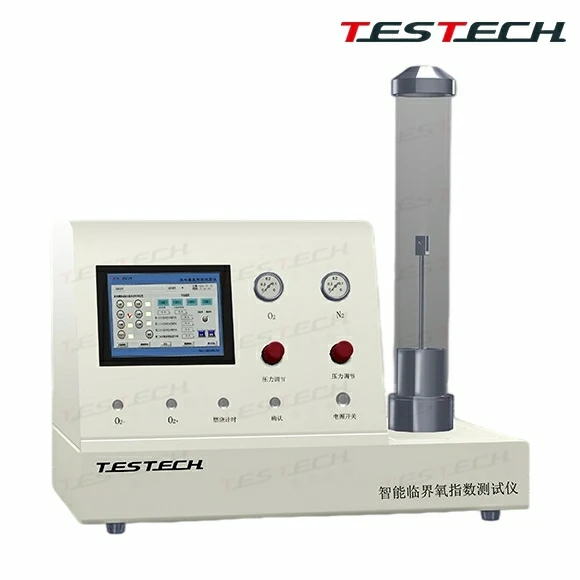
The oxygen index is a measure of the minimum concentration of oxygen required to support combustion. Universal fire testers can perform oxygen index tests using instruments like Limited Oxygen Index Tester and Elevated - temperature Oxygen Index Tester. These tests help in identifying materials that are more resistant to combustion, which is crucial for ensuring fire safety on ships.
Flue Gas Analysis
In addition to the above tests, many universal fire testers also incorporate flue gas analysis capabilities. By measuring the composition of flue gases, such as carbon monoxide, carbon dioxide, and other toxic gases, these testers can provide valuable information about the potential health hazards associated with a fire. This is achieved through the use of a Flue Gas Treatment Unit.
Compatibility of Universal Fire Testers with Marine Environments
Corrosion Resistance
To be suitable for marine environments, universal fire testers must have strong corrosion - resistant properties. Our company addresses this issue by using high - quality materials in the construction of our fire testers. For example, we use stainless steel and other corrosion - resistant alloys for the outer shells and key components. Additionally, we apply special coatings to further protect the testers from saltwater corrosion.
Moisture Protection
To combat the high humidity in marine environments, our universal fire testers are designed with effective moisture - protection measures. We use sealed enclosures and moisture - resistant gaskets to prevent water vapor from entering the internal components. Moreover, we incorporate desiccant systems to absorb any moisture that may penetrate the enclosure, ensuring the long - term stability of the electrical and mechanical parts.
Vibration and Shock Resistance
To withstand the vibrations and shocks experienced on vessels, our universal fire testers are engineered with robust mechanical structures. We use shock - absorbing materials and flexible mounting systems to isolate the internal components from external vibrations. Additionally, the internal components are securely fastened to prevent them from moving or becoming dislodged during operation.
Case Studies
There have been several successful applications of our universal fire testers in the marine industry. A major shipbuilding company used our fire testers to evaluate the fire - safety performance of new materials during the construction of a luxury cruise ship. By using the heat release rate, smoke density, and oxygen index data provided by our testers, they were able to select materials that met the strict international fire - safety standards. As a result, the cruise ship was certified for safe operation with high confidence from regulatory authorities.
Another case involved a naval vessel. The navy used our fire testers to conduct regular inspections and maintenance of fire - safety systems on the ship. The accurate and reliable test results provided by our testers helped them to identify potential fire hazards in a timely manner and take appropriate corrective actions.
Conclusion
In conclusion, universal fire testers can be highly suitable for marine environments when they are properly designed and engineered to withstand the unique challenges of the sea. Our universal fire testers, with their advanced features and robust construction, are well - equipped to meet the fire - safety testing needs of the marine industry. By providing accurate and reliable test results, these testers play a crucial role in ensuring the safety of ships and their passengers.
If you are in the marine industry and are looking for a reliable universal fire tester, we would be more than happy to assist you. Contact us to discuss your specific requirements and explore how our products can help you meet the highest standards of fire safety.
References
- Marine Fire Safety Regulations Handbook. Publisher: International Maritime Organization.
- Fire Testing Standards for Marine Materials. Author: Various experts in the field of fire safety.
- Research on the Effects of Marine Environments on Fire - Testing Equipment. Academic Journal: Journal of Marine Technology and Safety.