

When I started leading customer support for our aviation material testing equipment line at our lab equipment supply company, one question popped up more often than any other: “How long will my aviation vertical flammability tester last?” It’s a fair question—for aviation maintenance facilities, aircraft component manufacturers, and regulatory testing labs, this machine isn’t just another piece of gear; it’s a critical tool that ensures every part from seat fabric to interior paneling meets FAA and EASA flammability standards. After nearly a decade of working with dozens of clients, pulling data from calibration logs, repair records, and long-term user testimonials, I’ve got a pretty clear picture of what determines a tester’s lifespan, how to extend its life, and what to expect when it’s time to replace or upgrade.
First, let’s make sure we’re on the same page about what an aviation vertical flammability tester does. This specialized device simulates the exact fire conditions materials face in an aircraft cabin: a controlled, standardized flame applied vertically to a test specimen for 12 seconds, followed by measuring burn time, afterglow, and whether the flame reaches a specified reference line. It’s designed to be precise, so any wear or drift in its components can skew results, which is why longevity matters as much as accuracy.
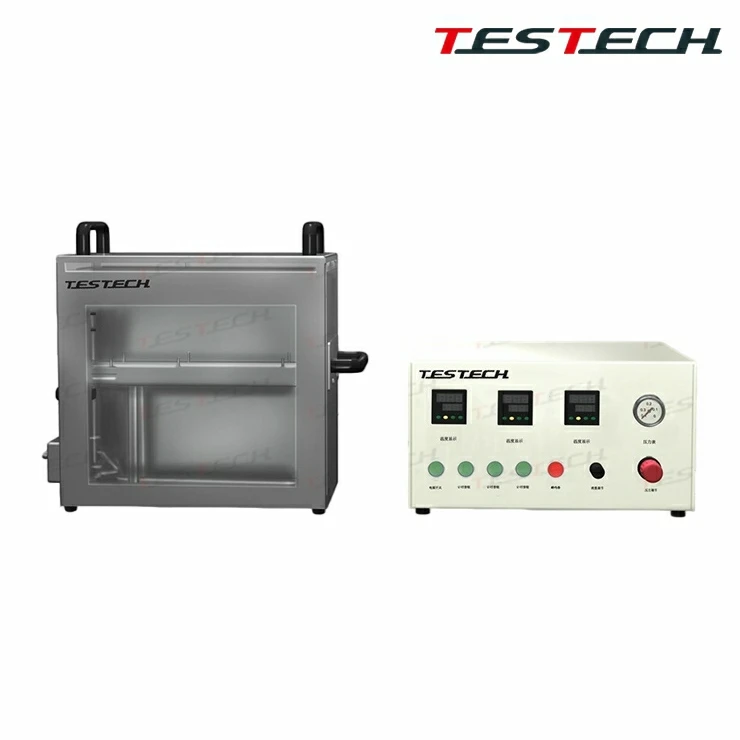

From what we’ve seen across our client base, the average functional lifespan of a well-maintained aviation vertical flammability tester falls between 12 and 18 years. But that’s a range, and it’s heavily dependent on three big factors: how often it’s used, how it’s maintained, and how it’s operated. Let’s break those down because they’re the biggest drivers of whether your machine hits the lower end of that range or runs reliably for nearly two decades.
Usage volume is the first big variable. A tester in a high-throughput lab that runs 10+ tests a day, five days a week, will wear out faster than one used for monthly spot checks at a small MRO (maintenance, repair, and overhaul) facility. The core components that take the most beatings are the electrical burner test machine’s heating elements, gas flow regulators, and the specimen clamps that hold test materials securely during each burn. With frequent use, those parts degrade faster—heating elements can develop hot spots, regulators can stick from constant gas exposure, and clamps can loosen from repeated torque adjustments. We’ve had clients with high-volume testers that needed major component overhauls after 7 years, while a low-volume machine in a climate-controlled lab is still going strong at 15 years with only minor part replacements. That said, even high-throughput machines can hit the upper end if users stick to a strict maintenance schedule.
Speaking of maintenance, this is the single biggest factor in extending lifespan. Many users underestimate how crucial regular, manufacturer-backed maintenance is for these testers. A few simple steps add years to a machine’s life. First, daily pre-test checks: verifying gas pressure is within the recommended range, inspecting the burner nozzle for clogs (even small debris can cause uneven flames that strain the burner system), and checking that specimen clamps are tight and free of corrosion. Monthly, you should calibrate the flame height—this is where precision matters most; a flame that’s too tall or too short will lead to failed tests and unnecessary wear on the burner. Every quarter, full inspections of the electrical and gas lines catch small leaks or wiring frays before they turn into safety hazards or component failures. Our team works with clients to set up customized maintenance plans for their aviation vertical flammability tester, and we’ve seen clients who follow those plans extend their machine’s life by 4-5 years compared to those who only perform repairs when something breaks.
Another key part of care is the environment where the tester is stored. These are precision instruments, and they don’t handle extreme temperatures, humidity, or dust well. A tester in a drafty, unconditioned shop will deal with fluctuating gas density that forces the burner to work harder, leading to faster wear. Dust can clog the burner nozzle and electrical contacts, causing irregular flame output. One client learned this the hard way—they kept their tester in a back room where construction dust was blowing in, and after three years, the nozzle was so clogged it could no longer produce a consistent test flame. Moving it to a climate-controlled testing lab not only fixed their accuracy issues but also added 6 more years of reliable use before they needed their first major rebuild.
Of course, no machine lasts forever, and there are signs that it’s time to retire your aviation vertical flammability tester, regardless of how old it is. The first is consistent calibration failures that can’t be fixed with minor part replacements. If you’ve replaced the burner, regulators, and gas line, but the flame height or burn time is still off by more than the 5% tolerance allowed by FAA standards, the core structural components have worn out beyond repair. Another sign is rising maintenance costs: if you’re spending more than 20% of the machine’s original value per year on replacement parts and repairs, it’s usually more cost-effective to invest in a new unit rather than pouring money into an aging one. Finally, if your testing needs have evolved—say you now need to test larger specimens or include horizontal burning rate tests for additional materials—it might be time to upgrade to a model that meets updated regulatory requirements (like the new 2024 EASA cabin material flammability standards) that older testers can’t accommodate.
Now, this is where our line of testing equipment comes in. We don’t just supply the aviation vertical flammability tester you might already be relying on—we also carry complementary tools to support your testing lab, from the horizontal burning rate tester for materials that require horizontal burn analysis to the TAG Closed Cup Auto Flash Point Analyzer for testing fuel and hydraulic fluid flammability, all tailored to aviation industry standards. For many clients, updating their full set of testing equipment at once makes sense, as it streamlines calibration and reduces long-term maintenance costs.
I should also note that the difference between a tester that lasts 10 years and one that lasts 18 often comes down to choosing a reliable, high-quality model from the start. A budget tester from an unvetted supplier might cut corners on materials, using cheaper burner elements that corrode quickly or plastic clamps that crack under repeated use. Investing in a tester built to IEC 60695 and FAA Part 25 standards means it’s designed for the specific stress of aviation testing, so it’s built to go the distance.
If you’re wondering where your current tester stands, our team can help. We’ve worked with hundreds of aviation testing facilities to assess the lifespan of their equipment, identify maintenance gaps, and recommend solutions that fit both their budget and regulatory needs. Whether you need a full inspection of your existing aviation vertical flammability tester, advice on extending its life, or are ready to upgrade to a newer model that meets the latest industry requirements, we’re here to help. Many of our clients tell us that investing in proper care for their testers isn’t just about saving money—it’s about peace of mind, knowing that every test they run will be accurate, reliable, and help keep aircraft passengers safe.
When you get right down to it, the lifespan of an aviation vertical flammability tester isn’t a fixed number. It’s a range shaped by how you use it, how you care for it, and the quality of the machine you choose. With regular maintenance, a controlled environment, and the right support from a trusted supplier, your tester can be a workhorse for well over a decade—helping you meet regulatory requirements, test new materials, and keep aviation safer, one test at a time. If you’re ready to discuss your current testing equipment needs, or want to learn more about how our aviation flammability testing solutions can support your operations, don’t hesitate to reach out.
References
- Federal Aviation Administration (FAA). (2023). Part 25: Airworthiness Standards: Transport Category Airplanes. U.S. Department of Transportation.
- International Electrotechnical Commission (IEC). (2022). IEC 60695-11-10: Fire hazard testing – Part 11-10: Test flames – 50 W vertical flame test method. IEC Central Office.
- Aviation Maintenance Technology Association (AMTA). (2021). Long-Term Equipment Maintenance Guidelines for Aviation Testing Labs. AMTA Technical Bulletin 2021-04.
- European Union Aviation Safety Agency (EASA). (2024). Certification Specifications for Large Aeroplanes CS-25: Amendments 10. EASA.