

As a supplier of Rail Transit Material Combustion Testers, I understand the importance of keeping up with the latest technological advancements to ensure the safety and compliance of rail transit materials. Upgrading the hardware of these testers is a crucial step in maintaining their accuracy and reliability. In this blog post, I will share some insights on how to upgrade the hardware of the Rail Transit Material Combustion Tester.
Understanding the Need for Hardware Upgrades
The rail transit industry is constantly evolving, with new materials and safety standards being introduced regularly. As a result, the hardware of Rail Transit Material Combustion Testers needs to be upgraded to meet these changing requirements. Upgrading the hardware can improve the tester's performance, accuracy, and efficiency, as well as enhance its ability to test a wider range of materials.
Assessing the Current Hardware
Before upgrading the hardware of the Rail Transit Material Combustion Tester, it is essential to assess the current hardware to determine its condition and performance. This assessment can help identify any areas that need improvement or replacement. Some of the factors to consider during the assessment include:
- Age and condition of the hardware: Older hardware may be more prone to breakdowns and may not be able to keep up with the latest technological advancements.
- Performance and accuracy: The hardware should be able to provide accurate and reliable test results. If the tester is not performing as expected, it may be necessary to upgrade the hardware.
- Compatibility with new materials and standards: The hardware should be able to test a wide range of materials and meet the latest safety standards. If the tester is not compatible with new materials or standards, it may be necessary to upgrade the hardware.
Identifying the Upgrades Needed
Based on the assessment of the current hardware, it is possible to identify the upgrades needed to improve the performance and functionality of the Rail Transit Material Combustion Tester. Some of the common upgrades include:
- Sensor upgrades: Sensors are an essential part of the Rail Transit Material Combustion Tester, as they are responsible for measuring various parameters such as temperature, pressure, and gas concentration. Upgrading the sensors can improve the accuracy and reliability of the test results.
- Software upgrades: The software of the Rail Transit Material Combustion Tester is responsible for controlling the hardware and analyzing the test results. Upgrading the software can improve the functionality and user-friendliness of the tester.
- Heating and cooling system upgrades: The heating and cooling system of the Rail Transit Material Combustion Tester is responsible for maintaining the temperature of the test chamber. Upgrading the heating and cooling system can improve the stability and accuracy of the test results.
- Mechanical component upgrades: The mechanical components of the Rail Transit Material Combustion Tester, such as the sample holder and the burner, are responsible for holding the sample and providing the heat source. Upgrading the mechanical components can improve the durability and reliability of the tester.
Choosing the Right Upgrades
When choosing the upgrades for the Rail Transit Material Combustion Tester, it is important to consider the following factors:
- Compatibility: The upgrades should be compatible with the existing hardware and software of the tester.
- Performance and accuracy: The upgrades should improve the performance and accuracy of the tester.
- Cost: The upgrades should be cost-effective and provide a good return on investment.
- Ease of installation and maintenance: The upgrades should be easy to install and maintain.
Working with a Professional
Upgrading the hardware of the Rail Transit Material Combustion Tester can be a complex and technical process. It is recommended to work with a professional who has experience in upgrading these types of testers. A professional can help assess the current hardware, identify the upgrades needed, and install the upgrades safely and efficiently.
Other Related Testing Equipment
In addition to the Rail Transit Material Combustion Tester, there are other related testing equipment that can be used to ensure the safety and compliance of rail transit materials. Some of these equipment include:
- Flame Spread Tester: This tester is used to measure the rate of flame spread on a material.
- 45° Flammability Tester: This tester is used to determine the flammability of a material at a 45° angle.
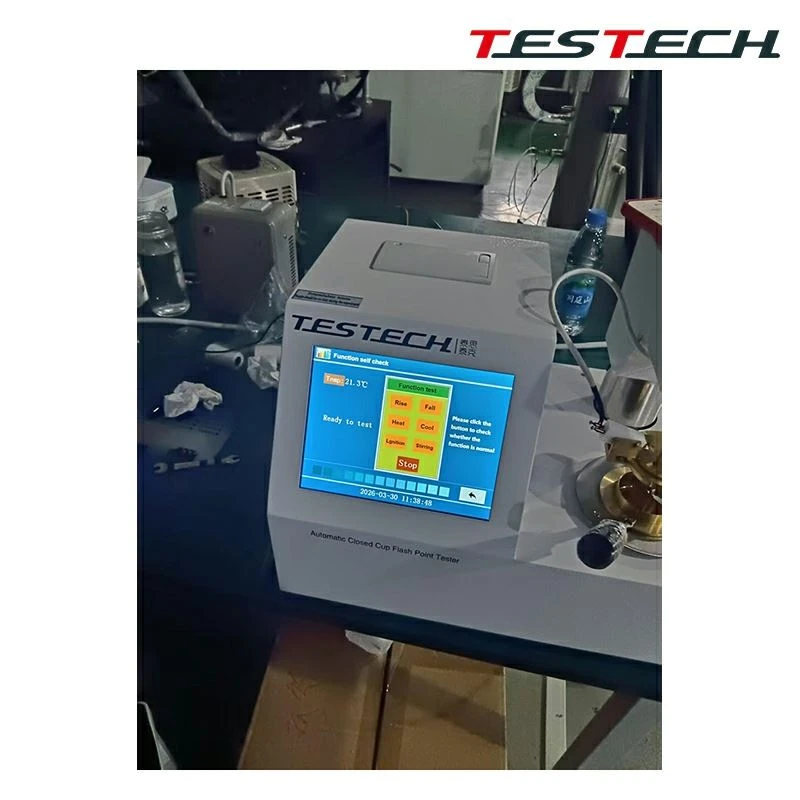
- Pensky-Martens Closed Cup Flash Point Tester: This tester is used to determine the flash point of a liquid material.
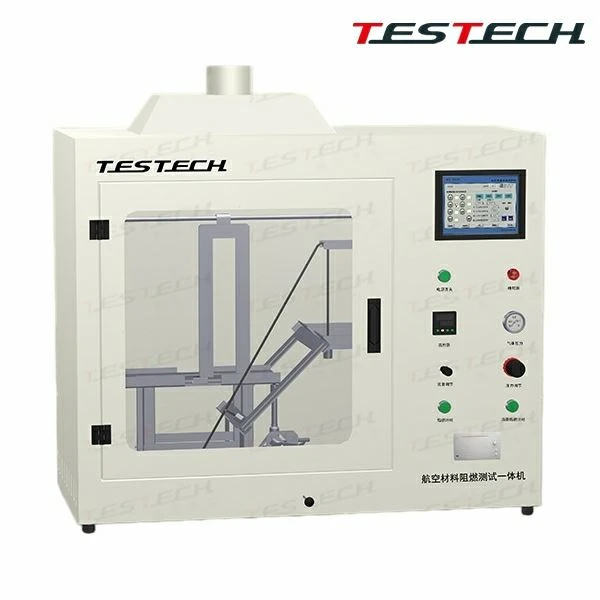
- Aviation Vertical Flammability Tester: This tester is used to determine the flammability of aviation materials.
- Cleveland Open Cup Auto Flash Point Analyser: This tester is used to determine the flash point of a liquid material using the Cleveland open cup method.
Conclusion
Upgrading the hardware of the Rail Transit Material Combustion Tester is an important step in ensuring the safety and compliance of rail transit materials. By assessing the current hardware, identifying the upgrades needed, choosing the right upgrades, and working with a professional, it is possible to improve the performance and functionality of the tester. In addition, using other related testing equipment can provide a more comprehensive assessment of the flammability of rail transit materials.
If you are interested in upgrading the hardware of your Rail Transit Material Combustion Tester or learning more about our testing equipment, please contact us for a consultation. We are committed to providing high-quality testing solutions to meet the needs of the rail transit industry.
References
- ASTM International. (2021). Standard test methods for determining the flammability characteristics of rail transit seating materials. ASTM D7994-14(2021).
- International Electrotechnical Commission. (2020). Railway applications - Fire protection on railway vehicles - Part 2: Requirement for fire behaviour of materials and components. IEC 61373:2020.
- Federal Railroad Administration. (2020). Flammability testing of railway passenger car materials. FRA Safety Advisory 2020-01.