

How to test the performance of a universal fire tester?
As a supplier of universal fire testers, I understand the critical importance of ensuring these devices perform accurately and reliably. Universal fire testers are essential tools used in various industries to evaluate the fire - related properties of materials and products. Testing their performance is not only a responsibility but also a way to ensure the safety of end - users. Here, I'll share some comprehensive methods on how to test the performance of a universal fire tester.
1. Verification of Basic Physical Parameters
The first step in testing a universal fire tester is to verify its basic physical parameters. This includes checking the dimensions, weight, and appearance of the device. Make sure there are no visible damages such as scratches, dents, or loose parts. The power supply connection should be secure, and the wiring should be in good condition. Any issues in these basic aspects can potentially affect the performance of the tester.
For example, if the tester has a damaged housing, it may not provide proper protection for the internal components, leading to inaccurate test results or even safety hazards. Additionally, a loose power connection can cause intermittent power supply, which can disrupt the testing process and affect the stability of the test data.
2. Calibration of Sensors
Universal fire testers are equipped with various sensors to measure different fire - related parameters such as temperature, oxygen concentration, and smoke density. Calibrating these sensors is crucial for accurate testing.
- Temperature Sensors: Use a calibrated reference thermometer to compare the temperature readings of the tester. Place both the reference thermometer and the tester's temperature sensor in a stable temperature environment, such as a temperature - controlled oven. Gradually increase or decrease the temperature and record the readings of both devices at different temperature points. The difference between the two readings should be within the allowable error range. If the deviation is too large, the temperature sensor may need to be recalibrated or replaced.
- Oxygen Sensors: For oxygen sensors, a gas mixture with a known oxygen concentration can be used. Pass the gas through the tester's oxygen sensor and compare the measured oxygen concentration with the known value. If the tester is a Limited Oxygen Index Tester, ensuring the accuracy of the oxygen sensor is of utmost importance as the limited oxygen index is directly related to the oxygen concentration required to support combustion.
3. Testing of Combustion Chamber Performance
The combustion chamber is the core part of a universal fire tester. Testing its performance involves several aspects.
- Heat Resistance: Check the heat - resistant properties of the combustion chamber material. Expose the chamber to high temperatures similar to those during actual testing for a certain period. After that, inspect whether there are any signs of deformation, cracking, or other damages. A damaged combustion chamber can affect the uniformity of the temperature field inside, thereby influencing the test results.
- Sealing Performance: Poor sealing of the combustion chamber can lead to leakage of combustion gases, which will affect the accuracy of gas concentration measurement and the overall test environment. Use a gas leak detector to check the sealing performance around the chamber. If there are leaks, seal the gaps properly.
4. Evaluation of Test Result Reproducibility
Reproducibility is an important indicator of the performance of a universal fire tester. Conduct multiple tests on the same sample under the same test conditions. Calculate the variation coefficient of the test results. A lower variation coefficient indicates better reproducibility.
For example, if you are using the tester to measure the ignition time of a material, repeat the test at least 5 - 10 times. Calculate the average ignition time and the standard deviation. The ratio of the standard deviation to the average value should be within a reasonable range. If the reproducibility is poor, it may be necessary to check the stability of the testing process, including the pre - treatment of samples, the operation of the tester, and the environmental conditions.
5. Compatibility Testing with Different Samples
Universal fire testers are designed to test a wide range of materials. Therefore, it is necessary to test the compatibility of the tester with different types of samples.
- Non - metallic Materials: These materials such as plastics, rubbers, and textiles have different combustion characteristics. Test the tester's ability to accurately measure parameters such as burning rate, flame spread, and heat release rate for different non - metallic materials. For instance, when testing a plastic sample, it should be able to measure the melt - dripping phenomenon and accurately record the time and quantity of dripping.
- Metallic Materials: Although metals generally have higher ignition points, they can still participate in combustion reactions under certain conditions. Test the tester's performance in detecting the ignition and combustion behavior of metallic materials. This may require adjusting the test conditions, such as increasing the temperature or providing a specific oxygen - rich environment.
6. Testing of Additional Functions
Some universal fire testers are equipped with additional functions such as Flue Gas Treatment Unit, Elevated - temperature Oxygen Index Tester, and Smoke Density Chamber. It is necessary to test these additional functions separately.
- Flue Gas Treatment Unit: Check the efficiency of the flue gas treatment unit in removing harmful substances from the combustion exhaust gas. Analyze the composition of the treated and untreated flue gas using a gas analyzer. Ensure that the concentration of pollutants such as carbon monoxide, nitrogen oxides, and particulate matter in the treated flue gas meets the relevant environmental standards.
- Elevated - temperature Oxygen Index Tester: Test the performance of the elevated - temperature oxygen index tester by conducting tests at different elevated temperatures. Compare the measured oxygen index values with the theoretical or reference values. Make sure the tester can accurately measure the oxygen index under high - temperature conditions.
- Smoke Density Chamber: For the smoke density chamber, evaluate its ability to measure the smoke density of materials during combustion. Use a standard smoke - generating sample to verify the accuracy of the smoke density measurement. The chamber should be able to provide stable and repeatable measurement results.
7. Long - term Stability Testing
To ensure the long - term reliability of the universal fire tester, conduct long - term stability testing. Continuously operate the tester for an extended period, such as several days or weeks, and record the test data at regular intervals. Analyze the trend of the test data over time to detect any potential drifts or instability.
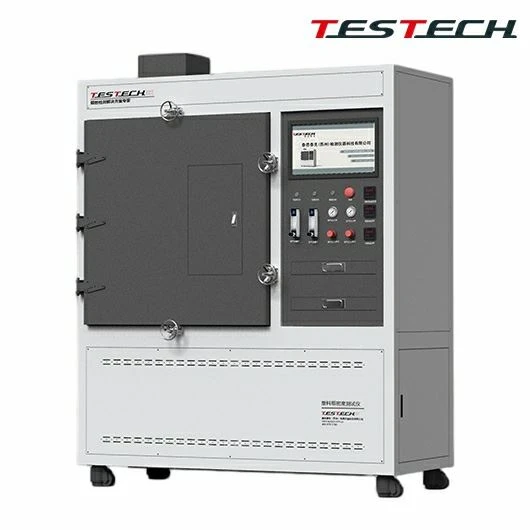

If there is a significant change in the test results over time, it may indicate problems with the internal components of the tester, such as sensor aging or circuit degradation. In this case, further inspection and maintenance are required.
In conclusion, testing the performance of a universal fire tester is a comprehensive process that involves multiple aspects. By following these testing methods, we can ensure that the tester provides accurate, reliable, and reproducible test results. If you are in the market for a high - quality universal fire tester or need more information about our products, please feel free to contact us for procurement and further discussions.
References
- ASTM International. Standard test methods related to fire testing. ASTM publications.
- ISO standards on fire safety testing. International Organization for Standardization.
- Technical manuals of universal fire testers from leading manufacturers.