

If you’re in the wire, cable, or manufacturing industries, you probably know how critical specialized testing equipment is for compliance, safety, and quality control. As a supplier that’s been around long enough to see how often folks overlook a simple but make-or-break step—proper storage for their gear—I can’t stress enough how much it impacts the lifespan and accuracy of tools like the Halogen PH Conductivity Tester. I’ve had customers bring back testers that gave wonky readings within a month of delivery, only to realize they stored it in a damp warehouse closet or tossed it in the back of a van with no protection. That’s why I’m breaking down exactly how to store your unit right, plus a few tips I’ve picked up from working with testing teams for years.
First, let’s circle back to why the Halogen PH Conductivity Tester is so important in the first place. If you’re testing halogen emissions from cable materials (a big part of fire safety compliance) and measuring pH/conductivity of leachates, your unit’s calibration and components have to stay in top shape. Unlike basic tools, this tester has sensitive sensors, delicate cables, and small circuitry that can get messed up by wrong storage. A lot of people confuse general testing equipment storage with what this specific model needs, so let’s clear that up.

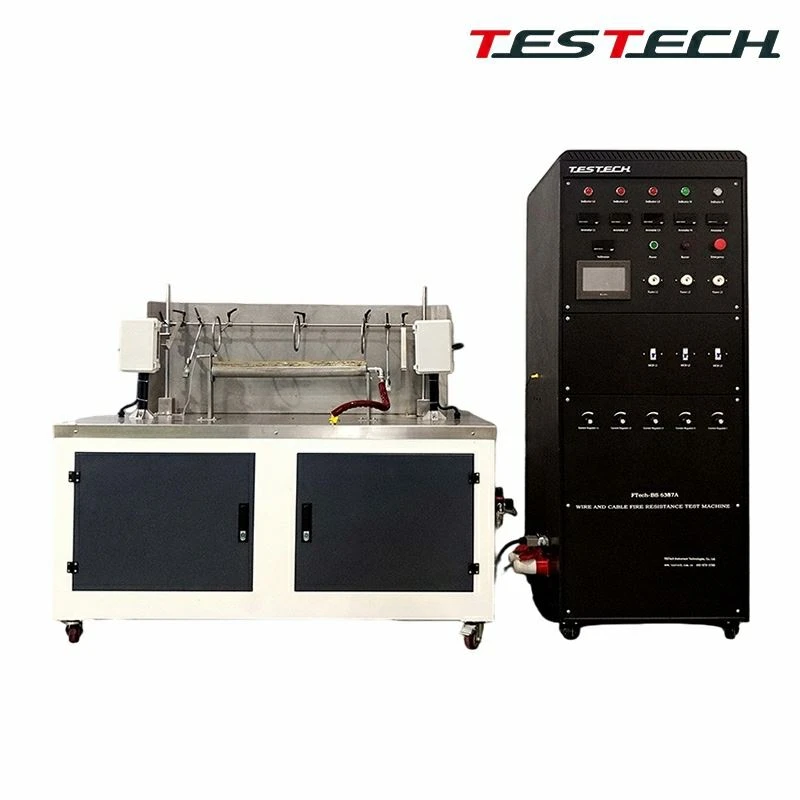
First, let’s talk about environmental conditions that are non-negotiable. Temperature and humidity are the big two here. I’ve seen testers stored in unheated garages during winter (temps dipping below 32°F/0°C) and overheated utility closets where summer temps hit 100°F/38°C—both bad news. The sweet spot? A consistent 50°F to 77°F (10°C to 25°C). That’s standard for most lab-grade electronic tools, but it’s easy to skip when you’re busy with deadlines. Humidity is even trickier. Too much moisture (above 60% RH) can cause condensation on internal circuits, corrode sensor contacts, or even lead to mold growing on cables. On the flip side, super dry environments (below 30% RH) can make plastic or rubber components brittle over time, so you don’t want that either.
Wait, I should also mention why this isn’t just a random rule—especially if you’re using this tester alongside other fire safety gear. A lot of our customers also use tools like Cable Fire Resistance Tester units, which are often stored in industrial spaces with similar climate controls. If you’re already investing in flame-test equipment, matching storage for your halogen tester makes sense to keep all your gear working reliably. I remember one customer who stored their Halogen tester in the same backroom as their cable fire tester, but that room had a leaky window. After a few months, the tester’s pH sensor was giving readings 0.5 points off—enough to fail a regulatory test. Fixing the storage got their readings back on track, and they haven’t had issues since.
Next, let’s get into physical storage specifics. This tester isn’t a rugged field tool you can toss around. You can’t just leave it on a workbench when not in use—especially if there’s dust, oil, or other chemicals around. Even small amounts of dust can clog the sensor probe, which is necessary for collecting leachate samples during halogen testing. I always recommend storing it in the original hard case it came in (if you still have it) because that’s built to fit the tester and its accessories: the probe, calibration solutions, and test cables. If you lost the original case, a foam-lined hard case is a must—no flimsy fabric bags, they don’t protect against bumps or moisture.
Also, don’t leave the test cables attached when storing. Those cables are thin and have sensitive connectors that can get bent or corroded if left plugged in for months. I’ve had customers come to me for replacement cables because they stored the tester with the cable connected in a cramped space, and the connector got kinked. If you need replacement cables, we have options that work with the Halogen PH Conductivity Tester right here on our site.
Now, what about storage in transit? A lot of testing teams move their gear between lab and job sites, so storage isn’t just about the stationary spot. If you’re transporting the tester in a van or truck, don’t just toss it in with heavy tools or other equipment like Vertical Shaft and Duct Fire Test Apparatus (which is big, bulky, and can damage smaller gear). Secure it in its hard case, maybe add a small desiccant pack inside the case if you’re traveling to a humid location—those absorb moisture and prevent condensation mid-transit. I’ve seen testers get water damage from being left in a rainy truck bed overnight; a $1 desiccant pack saves way more than the cost of a new sensor.
Another common mistake: storing calibration materials alongside the tester. The tester relies on accurate calibration solutions to give correct readings, and those solutions have their own storage rules. Calibration buffers (for pH testing) can go bad if stored too hot or frozen—never leave them in a hot car or freezer. If your calibration solutions are expired, that’s a quick way to get bad readings, even if your tester is stored perfectly. I always tell customers to label their calibration bottles with a date and replace them every 6 months, regardless of how much is left.
Wait, let’s also touch on long-term storage, like if you don’t use the tester for a few months (say, a plant shutdown). Don’t just tuck it away in a corner and forget it. Before storing it long-term, clean the sensor probe gently with distilled water to remove any leftover leachate, dry it completely, then store it in its case with a desiccant pack. Turn it on once every month for 10 minutes—running the circuitry prevents corrosion from sitting idle. I had a customer who stored their tester for 8 months without checking it, and when they turned it on, the battery was dead and the sensor had corroded. A quick monthly check would’ve saved them a service call.
Let’s also address industry-specific nuances. If you’re working in aerospace, automotive, or construction, your compliance requirements are strict—you can’t afford a tester that’s off because of bad storage. The data from the Halogen PH Conductivity Tester is used to ensure cables meet fire safety standards, so inaccurate readings can lead to failed audits, rework, or even safety hazards. That’s why investing in proper storage isn’t just about keeping your tool working—it’s about protecting your business and the people who use the products you make.
I should also mention that our team here works with customers all the time to get the most out of their testing gear. If you’re not sure if your storage setup is right, we’re happy to chat through it. We also supply other fire safety testing equipment that pairs well with the Halogen PH Conductivity Tester, like Power Cable Busway Combustion Test Furnace or Heat Release System Of Bunched Cables, so if you’re expanding your lab, we’re here to help.
Now, let’s wrap this up with a quick recap to make sure you don’t miss the key points for storage:
- Keep temps consistent between 50°F and 77°F (10°C to 25°C), humidity between 30-60% RH
- Store in a hard, foam-lined case—no exposed workbench surfaces
- Remove test cables before storing, secure during transport
- Check calibration solutions, use desiccants in humid conditions
- Run the tester monthly during long-term storage
If you’re in the market for a new Halogen PH Conductivity Tester, or need to replace parts for the one you have, head to our site to check out our lineup. We’re happy to answer any questions about storage, calibration, or how to get the most accurate data from your unit. Reach out to our team to discuss your specific needs—we’ll help you pick the right gear and make sure you have the info to keep it working for years.
References
- International Electrotechnical Commission (IEC). (2018). IEC 60754-2: Test on combustion gases from burning cables—Part 2: Method for determination of acidity and pH, and measurement of conductivity.
- ASTM International. (2020). ASTM D4935-19: Standard Test Method for Measuring the Electromagnetic Shielding Effectiveness of Planar Materials.
- National Fire Protection Association (NFPA). (2021). NFPA 70B: Recommended Practice for Electrical Equipment Maintenance.
- Manufacturer’s Guidelines for Halogen PH Conductivity Testers, AB Testing Equipment (2023).