

If you’re reading this, chances are you’ve never thought about gas analysis systems until you needed to figure out why a batch of industrial material didn’t pass a safety test, or why a manufacturing line was spitting out unexpected emissions. As a supplier of these systems, I get this question all the time: “What exactly do you guys do beyond selling fancy lab tools?” Let me break down the real-world uses—none of the stuffy jargon, just the jobs these systems actually do day to day, across industries you probably interact with without even knowing it.
First off, let’s talk about industrial combustion, because that’s where most people don’t see the work. Think of power plants, chemical factories, even large heating systems in big buildings. If a furnace or boiler isn’t burning fuel completely, it’s wasting money and pumping out way more pollutants than it needs to. Gas analysis systems here don’t just measure how much fuel is going in—they track the exhaust gases: oxygen (to make sure combustion is efficient), carbon monoxide (a toxic gas that’s a fire and health risk), and even nitrogen oxides, which cause smog. I’ve had customers come to us after their old manual gas tests missed a CO spike for 10 minutes, leading to a $12,000 EPA fine. Our automated systems catch that in real time, adjust the air-fuel mix, and save them that fine, plus cut fuel costs by up to 8% annually. It’s not just compliance—it’s keeping their operations running without blowing extra cash.
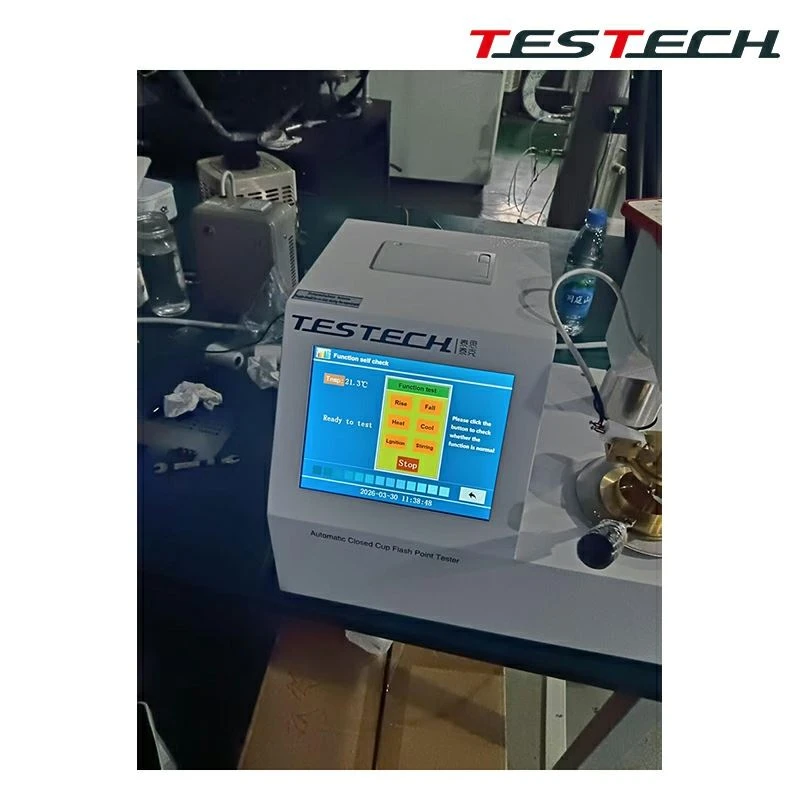
Next up, the transport and material testing space, which is where a lot of our repeat clients are. If you’ve ever boarded a train or a plane, the parts that go into those vehicles have to pass strict flammability tests, right? That’s where gas analysis ties in with tools like the Pensky-Martens Closed Cup Flash Point Tester. Wait, let me clarify—we don’t just sell that tester; we work with labs to pair it with our gas analysis systems to get full data. The flash point test tells you when a material gives off flammable vapors, but our gas systems measure exactly what those vapors are: are they gasoline, a plastic chemical, something else? That’s critical for locomotive manufacturers, who have to make sure seats, wiring, and interior panels won’t catch fire if there’s a fault. We also work with teams using the Reinforced Plastic Incandescent Rod Tester, which checks if plastic parts melt or ignite under high heat—our gas analysis picks up the exact fumes released, so they know if the material is safe to put near a locomotive’s electrical system. If any of that fumes are toxic, the material gets rejected fast, which saves months of delays for transport projects.
Then there’s the environmental side, which feels bigger than ever lately. Cities and factories have to track volatile organic compounds (VOCs) in the air, and our gas analysis systems do that 24/7, not just during quarterly inspections. For example, a nearby chemical plant I work with used to send samples to an outside lab every few days, which meant a 3-day delay if emissions were too high. Now, their on-site system sends real-time data to the local environmental agency, so they can adjust processes before a violation notice hits. We also help research teams studying air pollution—tracking greenhouse gases like methane and carbon dioxide from landfills or farm operations. A lot of people don’t realize that methane is 25x more potent than CO2 over 100 years, so accurate gas analysis here is key for global emissions goals.
Medical and pharmaceutical industries? Yeah, they use these too. Think about inhalers, or the sterilization of surgical equipment. When you make an inhaler, the gas inside (albuterol, propellants) has to be pure—no residual solvents or contaminants left after manufacturing. Our gas analysis systems test for that, because even tiny amounts of leftover chemicals can make the inhaler unsafe for patients. For pharma companies doing lyophilization (freeze-drying drugs), the vacuum and gas atmosphere in the chamber has to be controlled to keep the drug stable. Our systems monitor the chamber’s gas composition, so they don’t end up with a batch of medicine that’s ruined because of a wrong mix. I’ve seen one pharma client save $500k in ruined batches after switching to our continuous gas monitoring—small cost, big payoff.
Wait, another area people overlook: semiconductor manufacturing. The chips in your phone, laptop, car—they’re made in super-clean, controlled environments. The air in a chip fab has to have almost no moisture, no particles, and the gas mix in the etching process is ultra-specific. Our gas analysis systems check for trace gases (parts per million, even billion) in the fab, so they don’t get a defective chip from a tiny gas impurity. A client in Texas told me they were seeing 5% defective chips before using our system, because their old tests missed a 2ppm trace gas. After installing, defects dropped to under 1%—a huge win for their bottom line, since each fab makes millions of chips a month.
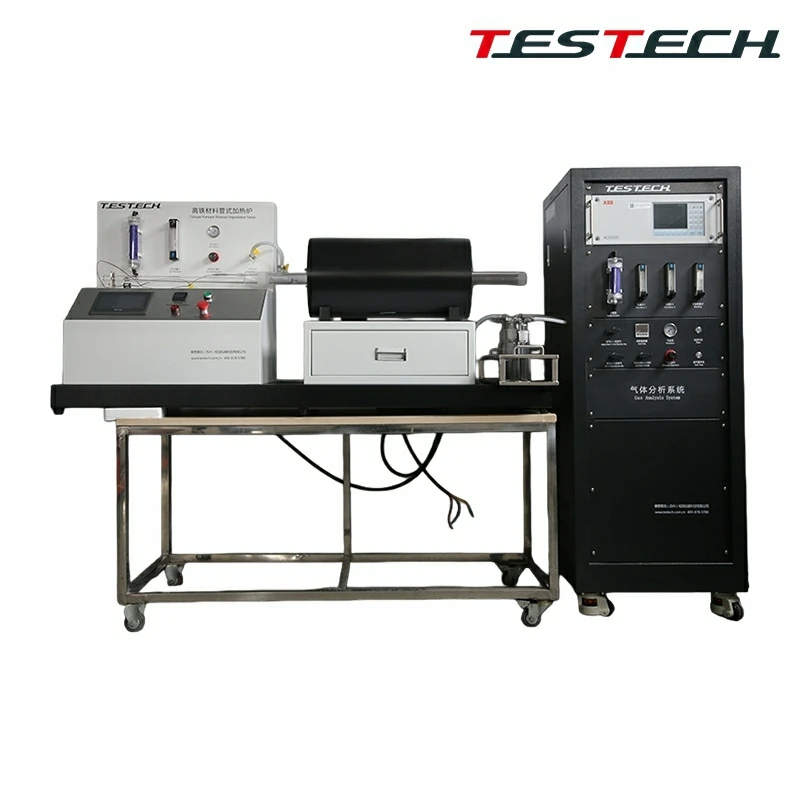
Let me tie this back to a tool we sell that people often connect gas analysis with: the Tube Furnace Decomposition Systems. Labs use these to heat materials and break them down into gases, then our analysis systems test those gases to figure out what the original material is made of. That’s super useful for waste management—sorting recyclable plastics, for example. If you can heat a plastic, measure the gas it gives off, you can tell if it’s PET, HDPE, or something else, which makes sorting way more accurate than just visual checks. We worked with a waste plant that used to have 20% of its recycled plastics mis-sorted, leading to lower resale value. Now, with their tube furnace and our gas analysis, mis-sorting is down to 3%—they’re making an extra $150k a year from their recycled product sales.
Also, for quality control in food and beverage. Wait, you didn’t think we’d leave that out, right? When you package soda, beer, or coffee, the headspace in the container (the air above the liquid) has to have the right gas mix. If it’s too much oxygen, the food will go stale faster, or the beer will get “skunked.” Our gas analysis systems test that headspace to make sure the packaging is sealed correctly. A craft brewery I work with used to have batches of beer that tasted off because of bad packaging; after adding our system, they cut spoiled batches by 12% in the first quarter. That’s not just taste—it’s keeping a small business from losing revenue on every bad batch.
Now, I know some of you might be thinking, “This all sounds good, but does it work for my specific situation?” The short answer is: almost always. Whether you’re a small lab testing transport materials with the Locomotive Material Combustion Tester, a big power plant tracking emissions, or a pharma company needing to keep drugs safe, gas analysis systems aren’t just lab tools—they’re profit savers, compliance helpers, and safety keepers.
If you’re tired of manual tests that are slow, inaccurate, or cause fines, or you need to upgrade your current system to handle more precise measurements, reach out. We don’t do one-size-fits-all; we work with you to figure out exactly what you need, whether that’s a portable system for on-site tests or a continuous monitor for 24/7 operations. Just send over what you’re working on, and we’ll walk you through how our systems can help—no sales pitch, just honest answers.
- Environmental Protection Agency. (2023). Industrial Combustion Emissions Guidelines.
- ASTM International. (2022). Standard Test Methods for Flash Point by Pensky-Martens Closed Cup Tester.
- International Organization for Standardization. (2021). Gas Analysis Systems for Process Industry – Performance Requirements.
- Semiconductor Industry Association. (2022). Fab Environmental Control Best Practices.
- U.S. Food and Drug Administration. (2023). Pharmaceutical Gas Purity Standards.