

In the dynamic landscape of new - energy battery technology, the safety and performance of battery packs are of paramount importance. As a leading supplier of Battery Pack Fire Jet Test Machines, I am well - versed in the numerous advantages these machines bring to the table. In this blog post, I will delve into the multifaceted benefits of using a Battery Pack Fire Jet Test Machine.
Precise Safety Assessment
One of the primary advantages of using a Battery Pack Fire Jet Test Machine is its ability to conduct precise safety assessments. As the demand for high - energy - density battery packs grows, so does the need to understand their behavior under extreme conditions, such as fire and thermal runaway. These test machines can simulate the fire jet scenarios that a battery pack might encounter in real - world situations, whether it's in an electric vehicle during an accident or in a stationary energy storage system during a malfunction.
By observing how the battery pack responds to a fire jet, manufacturers can accurately assess the risk of thermal propagation. Thermal propagation is a phenomenon where a single cell in a battery pack fails and causes adjacent cells to fail in a chain reaction, which can lead to a large - scale fire or explosion. The test machine provides data on the time it takes for thermal propagation to occur, the temperature rise, and the intensity of the fire jet, allowing manufacturers to design battery packs with enhanced safety features.
For instance, if during the test, it is found that a particular battery pack design has a high risk of rapid thermal propagation, manufacturers can modify the internal structure, such as adding thermal barriers between cells or improving the cooling system. This kind of precise safety assessment can significantly reduce the likelihood of battery - related safety incidents in the field.
Compliance with Standards
The new - energy battery industry is highly regulated, and manufacturers are required to comply with various national and international standards. A Battery Pack Fire Jet Test Machine plays a crucial role in helping manufacturers meet these standards. Standards such as UL 2580 for electric vehicle batteries, IEC 62619 for industrial batteries, and GB/T 31485 for power batteries in China all have specific requirements regarding the fire and thermal safety of battery packs.
Our test machines are designed to meet or exceed these standards, ensuring that manufacturers can obtain the necessary certifications for their products. By using our Battery Pack Fire Jet Test Machine, manufacturers can demonstrate to regulatory authorities and customers that their battery packs have been thoroughly tested and meet the highest safety standards. This not only helps in the market acceptance of the products but also protects the manufacturer from potential legal liabilities in case of safety - related issues.
Product Development and Innovation
In the competitive new - energy battery market, continuous product development and innovation are essential for companies to stay ahead. A Battery Pack Fire Jet Test Machine provides valuable insights that can drive this innovation. By analyzing the test results, researchers and engineers can identify areas for improvement in battery pack design, materials, and manufacturing processes.
For example, the test data may reveal that a certain type of electrolyte is more prone to fire under a fire jet scenario. This information can prompt manufacturers to explore alternative electrolytes with better fire - resistance properties. Additionally, the machine can be used to test new battery chemistries and cell designs in the early stages of development. This allows companies to quickly evaluate the safety and performance of these new concepts before investing significant resources in large - scale production.
Moreover, the data collected from the fire jet tests can be used in computer - aided design (CAD) and simulation models. These models can then be used to predict the behavior of battery packs in different scenarios, further accelerating the product development process and reducing the need for costly physical prototypes.
Cost - Effectiveness in the Long Run
Although the initial investment in a Battery Pack Fire Jet Test Machine may seem significant, it offers long - term cost - effectiveness. By identifying safety issues early in the product development cycle, manufacturers can avoid costly recalls and legal battles. A single battery - related safety incident can have a devastating impact on a company's reputation and finances, including the cost of product replacement, compensation to customers, and damage to brand image.
In addition, the use of a test machine can lead to more efficient production processes. By optimizing battery pack designs based on test results, manufacturers can reduce waste, improve yield, and lower manufacturing costs. For example, if a more fire - resistant design allows for a simpler and more cost - effective cooling system, the overall production cost of the battery pack can be reduced.

Integration with Other Testing Systems
Our Battery Pack Fire Jet Test Machine can be seamlessly integrated with other testing systems, providing a comprehensive testing solution for battery packs. For example, it can be combined with the 1MW Battery Thermal Release Test System to study the thermal behavior of battery packs under different power conditions. The 1MW system can simulate high - power scenarios, while the fire jet test machine focuses on the fire - related aspects.
Another useful integration is with the 82L Battery Thermal Runaway Gas Evolution Chamber. This chamber can collect and analyze the gases released during thermal runaway, and when used in conjunction with the fire jet test machine, manufacturers can gain a more complete understanding of the chemical reactions and physical processes that occur in a battery pack during a fire event.
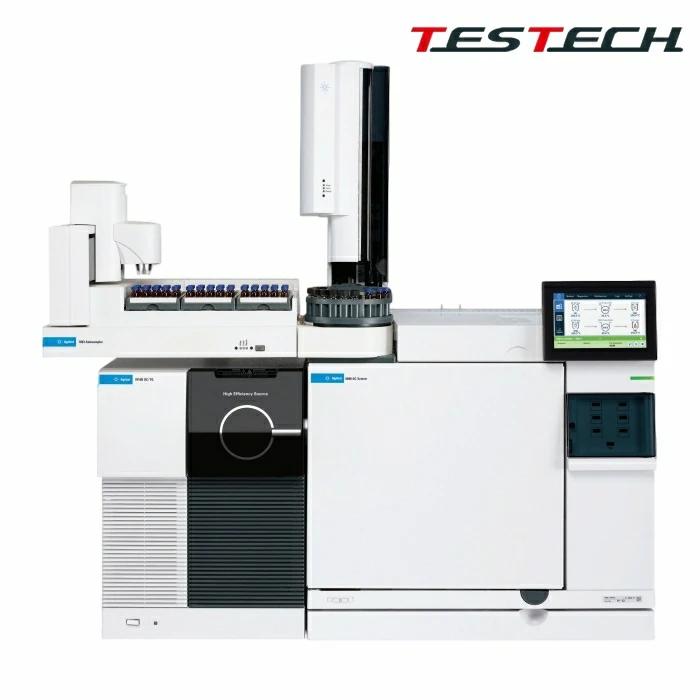
The Released Gas Explosion Limit Tester and Gas Chromatography Analysis System can also be integrated with the fire jet test machine. The released gas explosion limit tester can determine the explosion limits of the gases released from the battery pack during the fire jet test, while the gas chromatography analysis system can identify the composition of these gases. This information is crucial for understanding the fire - hazard characteristics of the battery pack and developing appropriate safety measures.
Furthermore, for larger - scale battery packs, our 3MW Battery Thermal Release Test System can be integrated with the fire jet test machine. This combination allows for the testing of high - power, large - capacity battery packs under realistic conditions, ensuring their safety and performance in various applications, such as grid - scale energy storage.
Conclusion
In conclusion, the advantages of using a Battery Pack Fire Jet Test Machine are numerous and far - reaching. From precise safety assessment and compliance with standards to driving product development, cost - effectiveness, and integration with other testing systems, these machines are indispensable tools in the new - energy battery industry.
As a supplier of Battery Pack Fire Jet Test Machines, we are committed to providing high - quality, reliable, and innovative testing solutions. If you are interested in learning more about our products or have specific requirements for battery pack testing, we invite you to contact us for a free consultation and procurement discussion. Our team of experts is ready to assist you in finding the best testing solution for your needs.
References
- UL 2580 Standard for Batteries for Use in Electric Vehicles, Underwriters Laboratories.
- IEC 62619 Secondary Cells and Batteries Containing Alkaline or Other Non - Acid Electrolytes - Safety Requirements for Portable Sealed Secondary Cells, and for Batteries Made from Them, for Use in Industrial Applications, International Electrotechnical Commission.
- GB/T 31485 Safety Requirements and Test Methods for Power - Storage Batteries and Battery Systems of Electric Vehicles, Standardization Administration of China.