

If you’re working with battery testing, you probably already know how critical it is to handle thermal runaway scenarios safely—especially when you’re using an 82L Battery Thermal Runaway Gas Evolution Chamber. As someone who’s been supplying these chambers (and bigger test systems) for years, I’ve seen first-hand how even small missteps can turn a routine test into a headache. Whether you’re a lab tech, test engineer, or someone who’s new to thermal runaway testing, this post covers exactly how to operate this chamber without cutting corners. Let’s dive in.
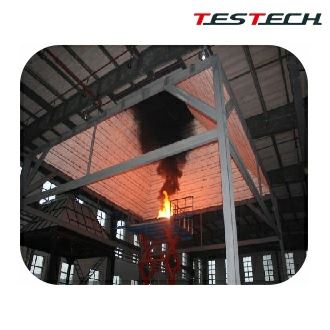
First, a quick reminder of what this chamber does. The 82L unit is designed to capture and analyze gas released when a battery goes into thermal runaway—think of it as a controlled environment to study what comes out during failure, not let it spread. It’s smaller than our 10MW Battery Thermal Release Test System or the 5MW version, but that doesn’t mean safety is less important. Size doesn’t negate risk here; if anything, the confined space makes following protocols even more key.
Before you even turn the chamber on, pre-operation checks are non-negotiable. I can’t stress this enough—skipping these is where most accidents happen. Start with the basics: inspect the chamber’s seals. The 82L chamber relies on airtight seals to trap gas, so a cracked gasket or loose latch is a big no. Last year, a customer of mine had a small gas leak because they skipped checking the seal before a test; it not only messed up their data but also set off the lab’s alarm. So take 5 minutes: run your finger around the door gasket, make sure it’s free of debris, and close the latch until you hear that solid click.
Next, check the gas evacuation line. The 82L unit connects to an external vent or gas analyzer, right? That line needs to be clear—no kinks, no blockages. If it’s clogged, pressure will build inside the chamber during a thermal runaway event, which could damage the unit or cause gas to escape unexpectedly. For context, our larger systems like the [3MW Battery Thermal Release Test System] have built-in pressure monitoring, but the 82L is a bit more straightforward, so you have to manually confirm the line is open. I always tell new operators to blow gently into the line before attaching it to the chamber to make sure it’s not blocked by dust or leftover debris from the last test.
Also, double-check the battery mounting. You can’t just plop a battery inside and close the door—you need to secure it so it doesn’t shift when thermal runaway starts. The chamber has specific mounting points, right? Use the clips or brackets provided; don’t tape it down or balance it. If the battery moves, it could puncture during failure, releasing more gas than the chamber is designed to handle, or even damage the chamber’s internal sensors. I’ve seen a lithium-ion battery puncture in an unmounted 82L chamber, and the mess took two days to clean up. Save yourself the hassle—follow the mounting guide.
Now, when you’re setting the test parameters, take it slow. The 82L chamber lets you adjust temperature ramp rates, trigger points, and gas collection settings. Don’t max everything out just because you can. For example, the temperature ramp rate—setting it too high could cause the battery to go into runaway before the chamber’s sensors are ready, leading to incomplete gas data and unnecessary pressure spikes. Our technical team at the supplier usually advises starting with a 5°C/min ramp for lithium-ion cells, unless you have a specific reason to change it. If you’re testing a different battery chemistry, check the spec sheet—what works for a NMC cell might not work for a LFP cell.
Another parameter to watch: the gas collection pressure threshold. The 82L chamber is calibrated to handle up to a certain internal pressure, so setting the threshold too high will let pressure build beyond safe levels, and too low will stop collection before you get all the gas. We include a calibration sheet with every chamber, so keep that handy—don’t guess at these numbers. If you lose it, you can always reach out, but don’t just wing it.
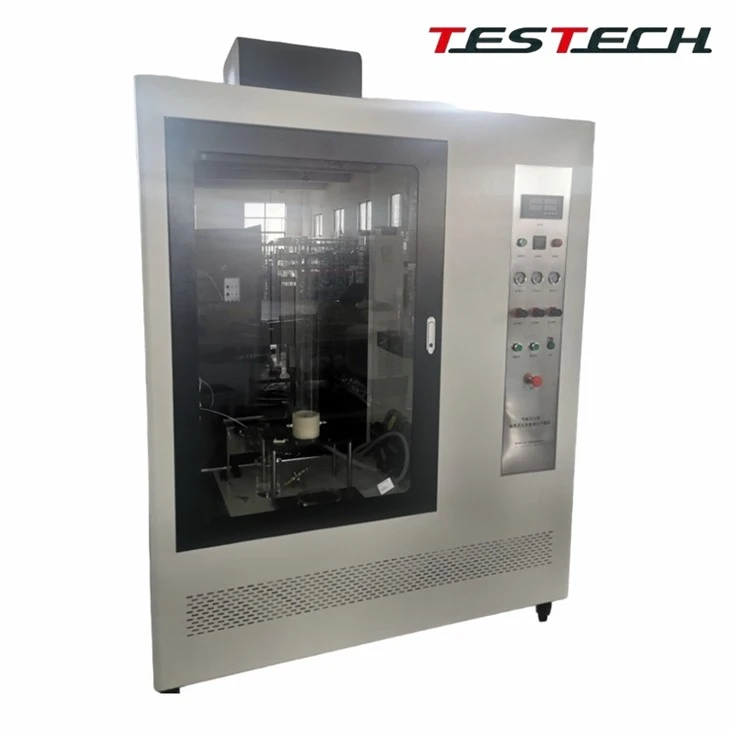
Once you hit “start,” step back. Wait, no—actually, stay within the lab while the test runs, but don’t hover right next to the chamber. The chamber has a viewport for a reason; use that to monitor, but give it space. If you smell something unusual through the vent line or see pressure spiking on the external gauge, that’s when you check it—but if everything is normal, don’t mess with the controls mid-test. I once had an operator who thought the chamber was “taking too long” and adjusted the ramp rate mid-test, which caused the battery to fail prematurely. Bad call. Let the chamber do its job.
Now, what to do if the test triggers thermal runaway? First, keep calm—panic is how mistakes happen. The gas evacuation line should be pulling gas out as it’s released, so that’s working as long as you checked it pre-test. The chamber’s safety relief valve (it’s on the top, for the 82L unit) should open if pressure gets too high—don’t block that. If you notice the relief valve is opening more than usual, that’s a sign of more gas than expected, but the relief is there to prevent damage, so don’t try to close it. Just keep monitoring the external pressure gauge and make sure the vent line is still clear.
After the test is done, don’t jump straight into opening the chamber. Wait at least 30 minutes—let the pressure in the chamber equalize and the hot gas cool down. The last thing you want is to open a 60°C chamber and get a face full of hot battery gas. I learned this the hard way early on: I opened an 82L chamber 10 minutes after a test, and the gas burned my wrist. It wasn’t serious, but it was a reminder to be patient. Once you open it, wear the PPE that’s in the lab—gloves, safety glasses, maybe a lab coat. Even if you think the gas is non-toxic, better safe than sorry.
Also, post-test cleaning is part of safe operation, too. The 82L chamber’s interior might have residue from the battery, so wipe it down with a mild detergent and dry it thoroughly before the next test. Don’t use harsh chemicals—they can damage the sensors or seals. And never leave a battery component inside the chamber; if the test left a cell fragment or residue, take it out right away. This prevents cross-contamination between tests, which would skew your data and could be a safety issue if the next battery is different.
Wait, let’s talk about maintenance—this is a big one that’s easy to overlook. The 82L chamber isn’t a set-it-and-forget-it tool. Every month, check the pressure relief valve to make sure it moves freely. Every quarter, have the internal sensors calibrated (we offer calibration services as a supplier, so that’s a good call). And before every major test—like a full cell pack test, not just a small cell—do a dry run without a battery. Run the chamber through its full cycle, check the seals, pressure, and evacuation line. This catches any issues before you put a battery in, which saves time and avoids risk.
Let’s also compare to our larger systems, just to put things in perspective. The 1MW Battery Thermal Release Test System is for bigger packs, so it has more safety features, but the 82L is designed for smaller cells, so it’s simpler—but that means your attention to detail has to be higher. You can’t rely on the same automatic safeguards as the bigger units, so following these steps is even more critical. We sell everything from the small 82L unit up to the [10MW Battery Thermal Release Test System], so no matter what size test system you’re using, the core safety logic is the same, just scaled.
Now, common mistakes I see all the time. First, not reading the manual. I know, manuals are boring, but the 82L chamber has specific quirks—like how the latch has to be turned clockwise to engage fully, or that the gas collection bag needs to be properly sealed to the external line. Second, using the wrong battery size. The 82L is made for cells up to a certain size; if you try to put a larger cell in, it won’t mount right, and that’s a safety risk. Third, forgetting to record data during the test. The test is useless if you don’t note the ramp rate, pressure, and gas collection—plus, keeping records helps you spot patterns in thermal runaway events, which makes your next test safer.
If you’re new to this, don’t be afraid to ask questions. Our team gets calls every day from labs that are just starting out with battery thermal testing, and we walk them through setup, operation, and troubleshooting. We also have resources on our website, like the page for the [82L Battery Thermal Runaway Gas Evolution Chamber], which has a quick start guide and troubleshooting tips. No question is stupid—better to ask than to risk an accident.
Wait, one more thing: emergency shutoff. Every operator should know where the emergency stop button is on the 82L chamber. It’s usually on the control panel, red and big—don’t cover it with papers or tools. If something goes wrong—like a leak, pressure spiking unexpectedly, or a fire (though the chamber is designed to contain small fires)—hit that button immediately. It will cut power to the heating element and stop the test. I’ve seen a fire start in an 82L chamber once, and the operator hit the E-stop fast, so the damage was only to the small cell inside, not the chamber. That’s why knowing where the E-stop is matters.
At the end of the day, operating the 82L Battery Thermal Runaway Gas Evolution Chamber safely boils down to prep, attention to detail, and not cutting corners. Pre-test checks, parameter setting, monitoring during the test, cooling before opening, and regular maintenance—all these small steps add up to a safe working environment. And remember, if you’re working with larger systems like the [5MW Battery Thermal Release Test System] or [3MW Battery Thermal Release Test System], the same principles apply, just with more robust safety features.
If you’re in the market for an 82L chamber, or looking to upgrade to a bigger system, we’re here to help. We can walk you through which size makes sense for your testing needs, and even offer on-site training for your team. No pressure, just honest advice from a supplier that’s been in the battery testing game for years. Reach out to us to discuss your requirements and get a quote.
References:
- Battery Safety International. (2022). Operational Protocols for Small-Scale Thermal Runaway Test Chambers. Journal of Energy Storage, 45, 103789.
- National Fire Protection Association. (2021). NFPA 855: Standard for the Installation of Stationary Energy Storage Systems. Quincy, MA: NFPA.
- International Electrotechnical Commission. (2020). IEC 62660-2: Secondary Lithium-Ion Cells for Road Vehicles – Part 2: Safety Requirements. Geneva, Switzerland: IEC.
- U.S. Department of Energy. (2023). Battery Thermal Runaway Testing Best Practices for Laboratory Environments. DOE Office of Energy Efficiency and Renewable Energy.