

As a supplier of Released Gas Burning Rate Testers, I often get asked a lot of questions from customers about the equipment's usage scenarios. One query that pops up quite frequently is whether our Released Gas Burning Rate Tester can be used in high-temperature environments. Well, let's dig into this topic and find out.
First off, let's understand what a Released Gas Burning Rate Tester is all about. This device is super important for industries that deal with gases, especially those where the burning rate of released gases can pose risks. For example, in the new energy battery field, when a battery goes through thermal runaway, it releases gases. Measuring the burning rate of these gases helps us understand the potential fire and explosion hazards.
Now, high-temperature environments are a whole different ballgame. High temperatures can have a significant impact on both the performance of the tester and the gases being tested. When it comes to the tester itself, most electronic components have a specific temperature range within which they can operate optimally. If the temperature goes beyond that range, the accuracy of the measurements can be affected. The sensors might give inaccurate readings, or in extreme cases, the tester could even malfunction.
But here's the deal. Our Released Gas Burning Rate Tester is designed with some really cool features to handle challenging conditions, including high temperatures to a certain extent. We've used high-quality materials that can withstand elevated temperatures. The internal components are also carefully selected and thermally managed to ensure that the tester can function as accurately as possible, even when things heat up.
However, there are still limits. Every piece of equipment has its sweet spot, and our tester is no exception. The maximum temperature it can handle depends on the model and the specific design. We've done a lot of testing in our labs to determine these limits, so we can give our customers clear guidelines on the safe operating temperature range.
One of the key factors to consider is the impact of high temperatures on the released gases themselves. In high-temperature environments, the physical and chemical properties of the gases can change. The density, viscosity, and reactivity of the gases may vary, which can directly influence the burning rate. So, when using the tester in high temperatures, we need to take these factors into account and make appropriate calibrations.
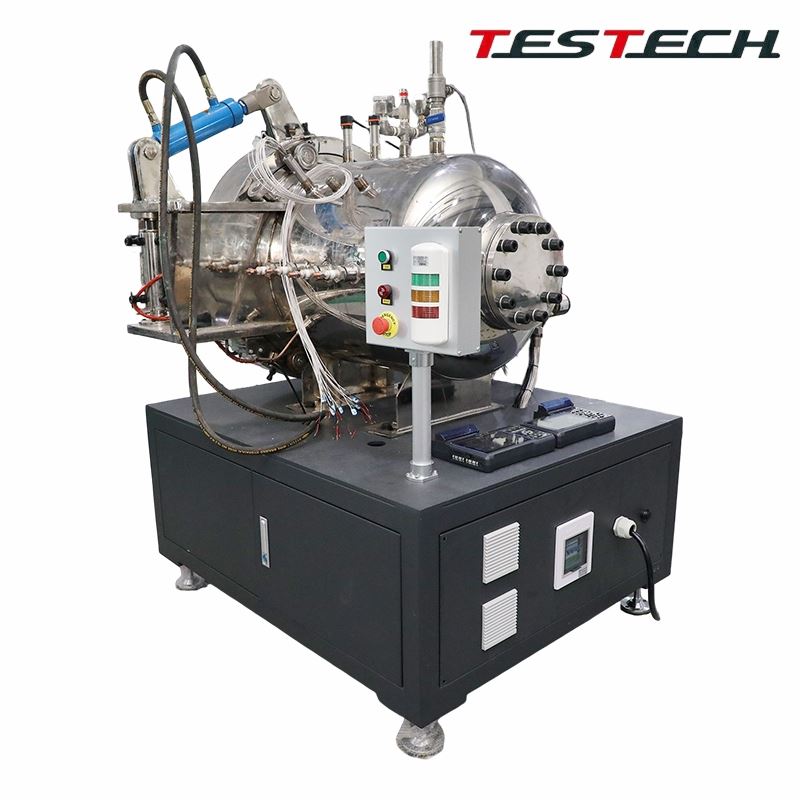
Let's talk about some practical applications. In the new energy battery industry, we have a range of related testing equipment that might be used in similar high-temperature scenarios. For instance, the 3MW Battery Thermal Release Test System is used to test the thermal release of large-capacity batteries. These tests often involve high temperatures, and ensuring the accuracy of measurements is crucial.
Another one is the Battery Pack Fire Jet Test Machine. This machine is designed to simulate the fire jet situation of battery packs, which can generate extremely high temperatures. Our Released Gas Burning Rate Tester can work in conjunction with these machines to provide comprehensive data on the burning rate of released gases.
We also have the 1MW Battery Thermal Release Test System, which is suitable for smaller-scale battery testing. Again, high temperatures are a common factor in these tests, and our tester can play an important role in analyzing the gas burning rate.
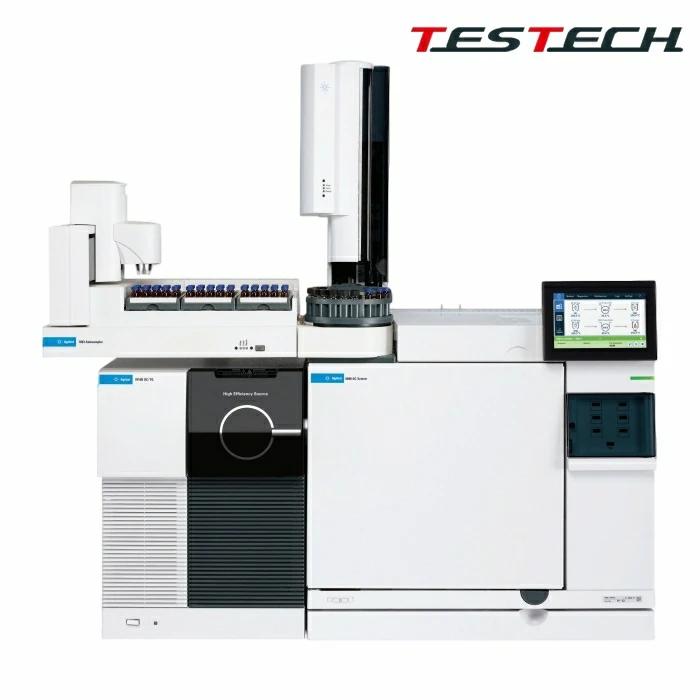
In addition to these, the Gas Chromatography Analysis System can be used to analyze the composition of the released gases. By combining the data from the burning rate tester and the gas chromatography analysis system, we can get a more complete understanding of the properties of the gases released during battery thermal runaway.
And let's not forget the 82L Battery Thermal Runaway Gas Evolution Chamber. This chamber is used to study the gas evolution process during battery thermal runaway, and our tester can be used inside the chamber to measure the burning rate of the gases at different stages.
So, back to the original question: Can the Released Gas Burning Rate Tester be used in high-temperature environments? The answer is yes, but with some important considerations. If you're working within the recommended temperature range and take appropriate precautions, our tester can provide reliable and accurate results. However, if you need to operate in extremely high temperatures, you might need to have a chat with our technical team to see if additional measures or modifications are required.
If you're in the market for a high-quality Released Gas Burning Rate Tester or any of our other related testing equipment, I encourage you to get in touch with us for a procurement discussion. Our team of experts is always ready to help you find the right solution for your specific needs. Whether you're a research institution, a battery manufacturer, or a safety testing organization, we have the experience and the equipment to support your work.
In conclusion, while high-temperature environments present challenges, our Released Gas Burning Rate Tester is up for the task as long as you use it correctly. We're constantly improving and innovating our products to ensure they can meet the evolving needs of our customers in various industries. So, don't hesitate to reach out to us if you have any questions or if you're ready to take your testing capabilities to the next level.
References:
- Industry standards and guidelines related to gas testing and battery safety.
- Internal research and development reports from our company on the performance of the Released Gas Burning Rate Tester in different environments.