

Forensic analysis has always been at the forefront of criminal investigations, relying on a diverse range of scientific techniques to solve complex cases. One such area of interest is the use of gas chromatography analysis systems in forensic work. As a supplier of the Gas Chromatography Analysis System, I am well - positioned to explore the potential of this technology in the forensic field.
The Basics of Gas Chromatography Analysis System
Gas chromatography is a powerful analytical technique that separates and analyzes volatile compounds in a sample. The system consists of a mobile phase (a carrier gas) and a stationary phase (usually a column). When a sample is injected into the system, the carrier gas transports it through the column. The different components of the sample interact with the stationary phase to varying degrees, causing them to separate based on their physical and chemical properties such as boiling point, polarity, and molecular weight.
The separated components then pass through a detector, which generates a chromatogram—a graphical representation of the peaks corresponding to each component in the sample. By analyzing the retention times and peak areas of these components, scientists can identify and quantify the substances present in the sample.
Applications in Forensic Analysis
Drug and Toxicology Analysis
One of the most significant applications of gas chromatography in forensic science is in drug and toxicology analysis. Illegal drugs such as cocaine, methamphetamine, and heroin, as well as prescription drugs and common toxins, can be identified and quantified in biological samples like blood, urine, and hair. For example, in a case of suspected drug - related death, a gas chromatography analysis system can determine the presence and concentration of drugs in the victim's body. This information is crucial for determining the cause of death and whether drugs played a role in the incident.
Arson Investigation
In arson cases, gas chromatography can be used to identify accelerants. Arsonists often use flammable liquids such as gasoline, kerosene, or alcohol to start fires. These accelerants leave behind characteristic chemical residues at the fire scene. By analyzing samples taken from the fire debris using a gas chromatography analysis system, investigators can detect the presence of these accelerants and match them to specific brands or types. This helps in building a case against the suspect and understanding the circumstances surrounding the arson.
Environmental and Chemical Evidence
Forensic scientists may also encounter cases where environmental or chemical evidence is crucial. For instance, in cases of industrial pollution or chemical spills, gas chromatography can help identify the pollutants present in the air, water, or soil samples. This is important for determining liability, assessing the extent of the damage, and formulating appropriate cleanup strategies.
Advantages of Using Gas Chromatography in Forensic Analysis
There are several advantages that make gas chromatography analysis systems an attractive choice for forensic applications.
High Sensitivity and Selectivity
Gas chromatography systems are highly sensitive, capable of detecting minute quantities of substances. This is crucial in forensic analysis, where samples may be limited or the substances of interest may be present in very low concentrations. Additionally, the selectivity of the system allows for the separation and identification of specific compounds, even in complex mixtures.
Reproducibility
The results obtained from a gas chromatography analysis are highly reproducible. When the same sample is analyzed multiple times under the same conditions, the chromatograms will be very similar. This reliability is essential in forensic science, where the evidence presented in court must be accurate and consistent.
Compatibility with Other Techniques
Gas chromatography can be easily coupled with other analytical techniques such as mass spectrometry (GC - MS). GC - MS combines the separation power of gas chromatography with the identification capabilities of mass spectrometry, providing more comprehensive information about the sample. This combination is widely used in forensic analysis to confirm the identity of unknown substances.
Challenges and Limitations
However, there are also some challenges and limitations associated with using gas chromatography analysis systems in forensic analysis.
Sample Preparation
Proper sample preparation is crucial for accurate results in gas chromatography. Samples need to be properly collected, stored, and prepared to ensure that the volatile compounds of interest are not lost or degraded. In forensic cases, samples may be contaminated or degraded due to environmental factors or improper handling, which can affect the accuracy of the analysis.
Complexity of Interpretation
The interpretation of chromatograms can be complex, especially in cases where the sample contains a large number of components. Forensic scientists need to have a high level of expertise to accurately identify and quantify the substances present in the sample. Additionally, the presence of interfering compounds can make it difficult to accurately interpret the results.
Cost and Equipment Requirements
Gas chromatography analysis systems can be expensive to purchase and maintain. They also require a dedicated laboratory space and trained personnel to operate. For some forensic laboratories with limited resources, these costs can be a significant barrier to implementing gas chromatography technology.
Related Products and Their Synergy
In addition to the Gas Chromatography Analysis System, our company also offers other products that can be relevant in forensic - related research and testing, especially in the context of new - energy battery safety, which may also intersect with forensic investigations in cases of battery - related incidents.

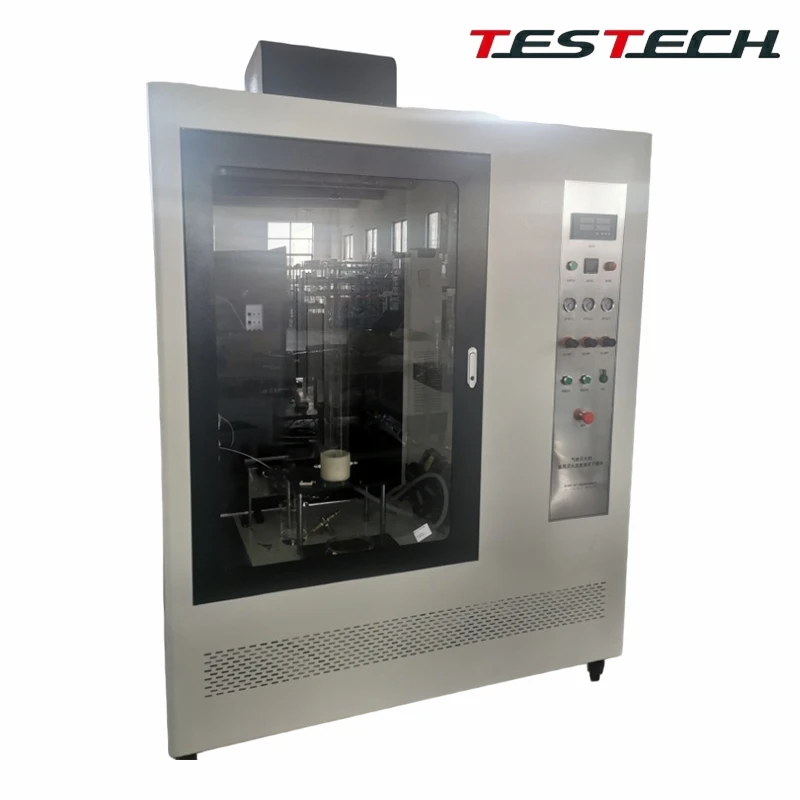
The 1MW Battery Thermal Release Test System and 5MW Battery Thermal Release Test System are designed to simulate and measure the thermal release of batteries under various conditions. In forensic cases involving battery fires or explosions, these systems can provide valuable data on the thermal behavior of the batteries, which can be correlated with the results obtained from gas chromatography analysis of the released gases.
The Released Gas Burning Rate Tester and Released Gas Explosion Limit Tester can help determine the flammability and explosion characteristics of the gases released from batteries. This information, when combined with the chemical composition data from the gas chromatography analysis, can provide a more comprehensive understanding of the battery - related incidents.
Conclusion and Call to Action
In conclusion, gas chromatography analysis systems have significant potential for use in forensic analysis. They offer high sensitivity, selectivity, and reproducibility, making them valuable tools for identifying and quantifying substances in a variety of forensic samples. While there are challenges and limitations associated with their use, advancements in technology and sample preparation techniques are helping to overcome these issues.
If you are involved in forensic research, law enforcement, or any other field that requires accurate chemical analysis, our Gas Chromatography Analysis System can be a valuable addition to your laboratory. We also offer a range of related products that can complement your forensic testing needs. To learn more about our products and how they can be tailored to your specific requirements, please contact us to discuss your procurement needs.
References
- Skoog, D. A., West, D. M., Holler, F. J., & Crouch, S. R. (2013). Fundamentals of Analytical Chemistry (9th ed.). Brooks/Cole.
- Saferstein, R. (2017). Criminalistics: An Introduction to Forensic Science (11th ed.). Pearson.
- McNaught, A. D., & Wilkinson, A. (1997). Compendium of Chemical Terminology: The Gold Book. Blackwell Science.