

If you’re a lab manager, quality control technician, or building material manufacturer using non-combustibility test apparatuses, you know these tools aren’t just pieces of metal and sensors—they’re the backbone of making sure your products meet safety standards. For years, I’ve worked as a supplier of these testing devices, and I can’t tell you how many times clients have come to me with a test that went wrong, or a result that seemed off, just because their apparatus wasn’t maintained right. Skipping routine upkeep doesn’t just lead to bad data—it can throw your compliance out the window, delay product launches, or even put your team at risk. Today, I’m breaking down exactly what maintenance your non-combustibility test apparatus needs, no fancy jargon required.

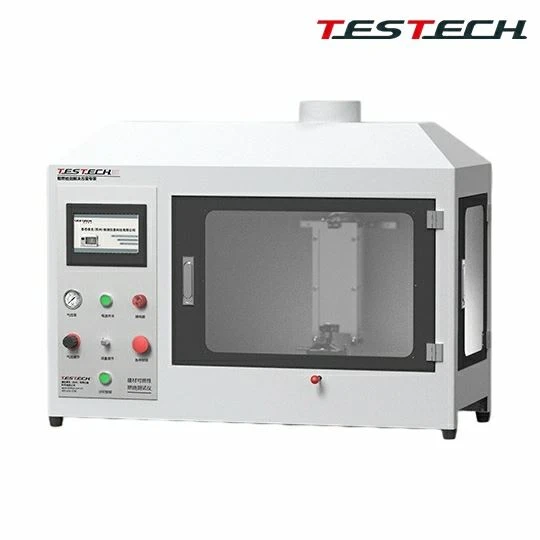
First, let’s set the stage: non-combustibility testing (the standard one is EN ISO 1182, if you’re familiar) measures how much a material burns, releases heat, or changes mass when heated to 750°C. That means your apparatus has to hit and hold that temperature consistently, monitor gas flow accurately, and avoid any leaks that could skew results. A lot of people focus only on the big calibration checks, but the small, daily or weekly tasks add up way more. Let’s start with the immediate stuff you should be doing before every single test—no exceptions.
First up: pre-test inspections. I can’t count how many times a client told me their test failed, only to find out a small piece of debris was blocking the gas nozzle, or the thermocouple was dusty. Here’s the checklist I walk every new operator through:
- Check gas supply lines (if you use propane or natural gas, which most of these apparatuses do) for any tiny leaks. A quick way to do this is to dab a little soapy water on the connections—if bubbles form, you’ve got a leak, and that’s a big no. Not only will it mess with the heat output, it’s a fire hazard.
- Inspect the sample holder and furnace interior. The furnace chamber where you place your test sample builds up residue over time—ash, tiny bits of burned material, even carbon deposits. If that stuff is coating the thermocouple or blocking the sample’s air flow, you’ll get a false “non-combustible” result. I usually tell clients to give the chamber a quick vacuum with a low-static vacuum before each run, and wipe down the sample holder with isopropyl alcohol (avoid harsh chemicals that could leave residue) every week.
- Verify the thermocouple reading before you start heating. Most apparatuses have a digital display, but don’t just rely on that—double-check with a portable temperature probe to make sure the furnace is at room temp when you start. If it’s already warm from a previous test, your initial heat ramp will be off, and that will skew your results.
Next, the mid-term maintenance: what you do weekly and monthly, after you’ve gotten comfortable with the pre-test checks. This is where a lot of operators cut corners, but it’s crucial for long-term accuracy. Let’s start with calibration—this is non-negotiable. Non-combustibility tests are only as good as your temperature measurements, so your thermocouple needs to be calibrated at least once every six months (some labs do it quarterly if they run tests constantly). I remember a client last year who ran 20 tests a week for a year without calibrating, and when we checked, their thermocouple was off by 40°C—meaning half their results were invalid. That cost them a whole batch of products and a delay in getting them to market, just because they skipped a $50 calibration check.
Then, there’s the gas flow system. Your apparatus relies on a steady, precise flow of gas to heat the furnace to 750°C. If the flow meter is dirty, or the valves are sticking, you’ll get inconsistent heat. Every month, take apart the flow meter (as per your manual—don’t force it!) and clean it with warm, soapy water, then dry it completely. Also, check the pressure regulator on your gas tank—if it’s reading incorrectly, your gas flow will be too high or too low, which can make the furnace overheat or not reach the required temperature. If you’re using a non-combustibility tester alongside other flammability testing tools (like spread of flame testers, flame-retardant paper and cardboard flammability testers, or auto ignition point testers), make sure all their gas lines are separate and checked regularly too—cross-contamination is a real issue.
Wait, speaking of other testers—if your lab handles multiple fire safety tests, keeping all your tools in sync is key. For example, Steel Structure Fire Retardant Coating Samples Test Furnaces (another product we supply) require similar temperature and gas checks, so if you already have a routine for that, you can adapt it a bit for your non-combustibility apparatus. But don’t cut corners here—each tool has its own quirks, and mixing up maintenance steps will get you in trouble.
Then, let’s talk about electrical components. Modern non-combustibility test apparatuses are mostly digital, with sensors, displays, and control panels. Dust and moisture are the enemies here. Every month, wipe down the control panel with a dry cloth (no water—if there’s a stubborn spot, use a tiny bit of electronics cleaner). Also, check all the wiring connections—sometimes, with heat and vibration, wires can come loose. A loose connection might not seem like a big deal, but it could make your temperature display flicker, or stop the furnace mid-test, ruining a whole sample run. I always tell clients to label their wiring so it’s easy to tell which wire goes where if you need to adjust it—saved so many of them from hours of troubleshooting.
Now, the quarterly and annual maintenance that most people forget, but it’s what keeps your apparatus running for years. Quarterly, you should do a more in-depth deep clean. Take out the sample holder, the thermocouple, and any removable parts, and soak them in warm water with a mild degreaser (again, no harsh chemicals) to remove built-up carbon and ash. While you’re at it, inspect the furnace’s insulation. If the insulation is cracked or eroded, heat will escape, making your furnace work harder than it should, and your temperature readings will be inaccurate. If the insulation is damaged, replace it right away—don’t wait, because that will only make other parts of your apparatus wear out faster.
Annual maintenance is where you bring in a professional, if you can. Even if you’re great at DIY, a service tech can do a full system check: test the furnace’s heat ramp rate (it needs to go from room temp to 750°C in 10 minutes, per standard EN ISO 1182), verify gas flow rates, check the integrity of the furnace chamber for leaks, and update any software if your apparatus has digital controls. I’ve seen so many clients try to skip the annual service, and within a couple years, their apparatus is so out of calibration that they have to replace the whole thing—costing way more than the annual service fee.
Wait, let’s also talk about common mistakes people make that ruin their non-combustibility test apparatuses. First, using the wrong type of gas. Some people use regular welding gas instead of the specified propane, butane, or natural gas, which has a different heat output. That will make your furnace temperature all over the place. Second, overloading the sample chamber. You have to place the sample exactly as the standard says—25mm x 25mm, 10mm thick, right in the center of the holder. If you put too many samples, or place them off-center, airflow is blocked, and your test result is invalid. Third, not keeping a maintenance log. I can’t stress this enough—write down every calibration, every clean, every small repair. If a regulator is replaced in March, or a thermocouple calibrated in June, you’ll have a reference if something goes wrong later. Without a log, you’re just guessing when the last time you did maintenance was.
Let me also add a note about if you’re expanding your lab and adding more testers—like if you’re looking for a building material flammability apparatus to complement your non-combustibility unit, the same maintenance principles apply. All of these tools rely on consistent temperature, gas flow, and sensor accuracy, so building a unified maintenance routine for all your fire safety testing equipment will save you time and money in the long run.
Now, what if your apparatus is older? Like, you’ve had it for 10 years, and it’s starting to act up. Routine maintenance is even more important for older units, because parts wear out faster. If you notice your furnace takes longer to heat, or the temperature fluctuates a lot, that’s a sign you need to check the insulation, the thermocouple, and the gas regulator. Don’t wait until it fails completely—get on a maintenance schedule right away.
At the end of the day, non-combustibility testing is all about reliability. Your clients (whether they’re construction companies, material manufacturers, or regulatory bodies) need to trust that your test results are accurate. Skipping maintenance isn’t a shortcut—it’s a risk. You could end up with a product that doesn’t meet safety standards, a failed audit, or even an accident in your lab.
If you’re in the market for a new non-combustibility test apparatus, or you need to upgrade your current one, or if you want to talk about setting up a maintenance routine that works for your lab, don’t hesitate to reach out. We’ve been supplying these tools for years, and we know exactly what you need to keep your tests running smoothly. We also offer maintenance services and calibration support for all our products, so you don’t have to figure it out alone.
References:
- EN ISO 1182:2020, Reaction to fire tests for products - Non-combustibility test
- ASTM E136-21, Standard Test Method for Behavior of Materials in a Vertical Tube Furnace at 750°C
- International Organization for Standardization (ISO) Guide 43, General Requirements for the Competence of Testing and Calibration Laboratories
- NFPA 701, Standard Methods of Fire Tests for Flame Propagation of Textiles and Films (relevant for complementary flammability testing tools)